Getting caught up in a semi truck accident shakes up everyday life in ways few expect. People recall the chaos, flashing lights, and abrupt halt to routine. These experiences often unfold into a cascade of moments, both big and small, that shape the days and months that follow.
Physical Disruptions and Recovery
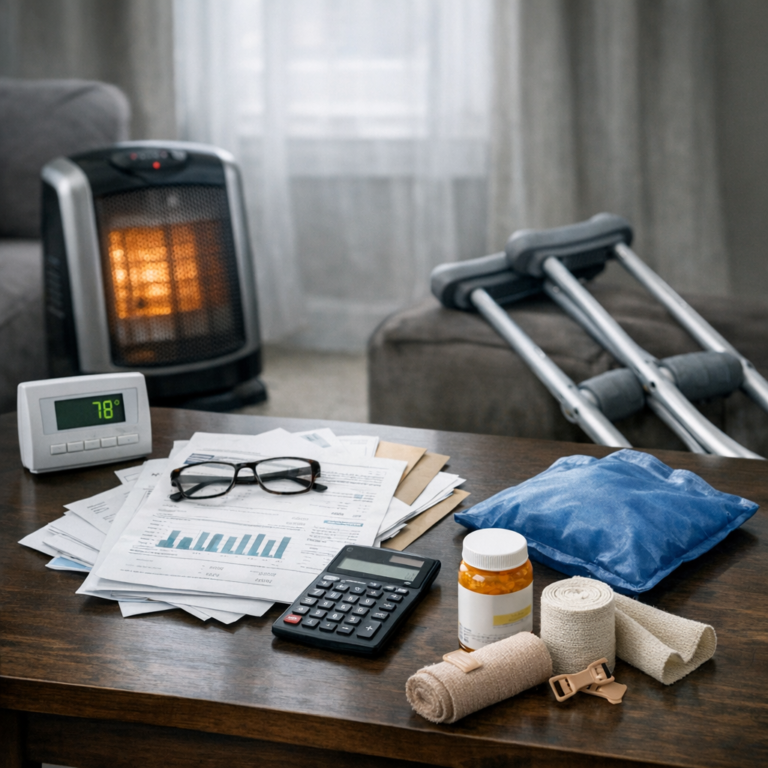
Physical pain tends to linger well beyond the crash itself. Some wake up in hospital beds, disoriented by injuries they never saw coming. Mornings can become a checklist of aches and bruises, movements slowed by soreness or stiffness. For many, medical appointments and follow-ups soon fill calendars—sometimes stretching into physical therapy or rehabilitation.
The effort to adjust grows more complicated when simple activities, like walking the dog or grocery shopping, suddenly demand more energy. Many notice how fatigue creeps in faster than before. Tasks once taken for granted now require more thought and planning.
Emotional Changes and Stress
Emotional waves often hit hardest at unexpected times. Sleepless nights become common as the mind replays each moment of impact, accompanied by worries over health and future plans. Over time, some withdraw from social interactions, finding it tough to describe feelings of anxiety or fear to friends or family.
Everyday situations, like getting back into a car or passing the accident site, can bring discomfort. Some people experience mood swings, feeling frustration and sadness mix with bursts of anger or impatience. It’s not unusual to notice a greater sensitivity to noise or sudden movements in the weeks after the accident.
Financial Strain and Daily Life
Expenses add up in surprising ways. Missing days or weeks of work causes income interruptions, making it harder to keep up with bills. Suddenly, costs for medical care, vehicle repairs, and even transportation alternatives become part of the household equation.
Some discover how easily unresolved details—such as delayed paychecks or insurance issues—can fray patience. The time spent tracking paperwork and coordinating with various organizations often cuts into time needed for rest or family.
Shifts in Family Dynamics
Many describe changes at home after an accident. Family members might adjust routines, stepping in to help with chores or caregiving. These shifts sometimes lead to a rebalancing of responsibilities, which can bring households closer or create new friction.
Children often sense the disruption, responding with questions or concern. Partners, too, may feel extra pressure to manage everything from appointments to household budgeting. These patterns show just how much an accident’s ripple extends beyond the immediate aftermath.
This page is for general informational purposes only. It does not provide legal advice or direction of any kind.