Understanding Medical Necessity Disputes in Truck Accident Claims
Overview of the Insurance/Billing Issue
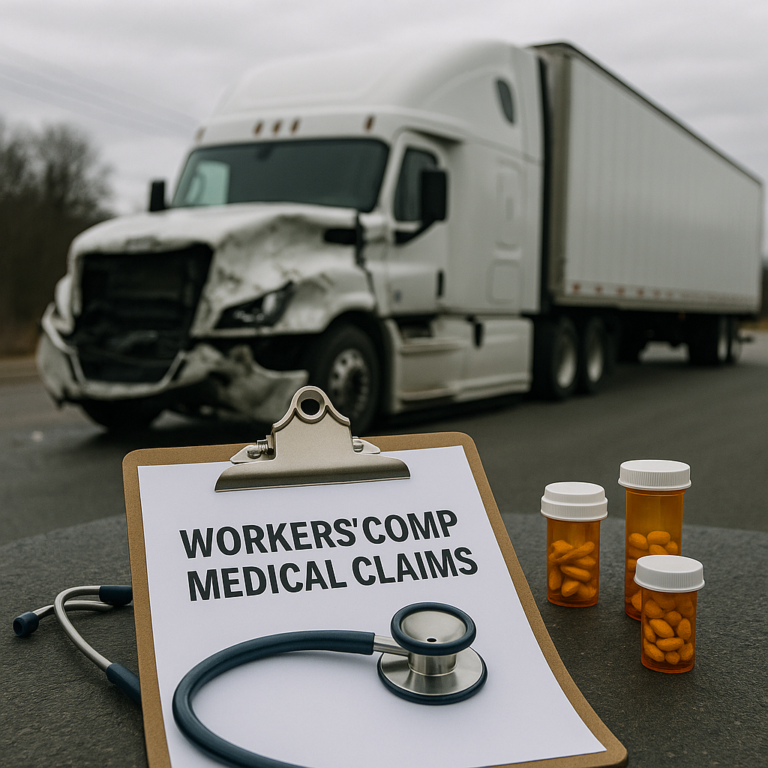
Truck accidents often result in complex medical care and subsequent insurance claims. A critical challenge within these claims is the “medical necessity dispute.” A medical necessity dispute occurs when an insurance company questions whether the services or treatments billed were clinically required for the patient who suffered injuries in a truck accident. This leads to disagreements between healthcare providers, patients, and insurance carriers regarding the appropriateness of treatments and associated billing.
Medical necessity is a core criterion used by payers—such as health insurance companies, Medicare, or auto insurers—to determine whether a specific diagnostic test, treatment, or hospital stay should be covered and reimbursed. When insurance companies believe that a particular service does not meet their criteria for medical necessity, they may deny payment or request additional documentation, causing payment delays and additional administrative burdens.
These disputes can prolong the claims process and complicate billing for providers, insurers, and patients involved in truck accident cases. Insurers are obligated to only pay for services deemed necessary and reasonable, while providers are tasked with justifying all services rendered—creating a frequent point of contention in truck accident injury billing.
Where It Typically Appears in the Billing Cycle
Medical necessity disputes generally arise after a claim has been submitted to an insurer and before final payment is rendered. The process typically unfolds as follows:
1. Medical Service Rendered: The patient receives evaluation, treatment, or rehabilitation for truck accident injuries.
2. Claim Submission: The provider submits a claim to the insurance company with procedure codes (CPT/HCPCS) and diagnosis codes (ICD-10).
3. Claims Review: The insurer reviews the claim for clinical appropriateness and supporting documentation. Medical necessity is evaluated here, often by claims adjusters or medical reviewers.
4. Potential Dispute/EOB: If the insurer determines that a service wasn’t medically necessary, they may deny the claim, issue a partial payment, or send a request for more information. An Explanation of Benefits (EOB) is sent to notify parties of the decision.
5. Appeal or Resubmission: Providers may contest the denial or supply additional documentation.
The medical necessity dispute thus typically arises at the review and decision stage, especially when injuries or treatments are complex—as is often the case with truck accident injuries.
Common Causes
– Insufficient Documentation: Medical records lack justification for tests, procedures, or long-term treatments.
– Unclear or Incomplete Coding: Billing codes (CPT/ICD) do not clearly link the procedure to the injury sustained in the truck accident.
– Excessive or Redundant Treatment: Multiple diagnostic tests, therapies, or extended hospitalizations that may be viewed as beyond standard care.
– Disagreement on Guidelines: Variance between the provider’s clinical judgment and insurer’s medical necessity policies or guidelines.
– Delayed Treatment: Care provided well after the accident without clear documentation tying the need to the initial injury.
– Pre-existing Conditions: Difficulty distinguishing between new injuries from the truck accident and pre-existing or chronic health issues.
– Non-covered Services: Services rendered as part of a truck accident claim but excluded under the insurance policy’s terms.
Common Documents Involved
– Patient Medical Records:
– Physician’s notes and clinical assessments
– Emergency Department and hospital admission records
– Diagnostic imaging reports (X-rays, MRIs, CT scans)
– Progress notes and treatment plans
– Billing Records:
– Itemized bills with CPT/HCPCS codes
– UB-04 or CMS-1500 claim forms
– Insurance Correspondence:
– Explanations of Benefits (EOB)
– Requests for additional documentation or medical review
– Denial letters with stated reasons
– Special Reports:
– Independent medical exams (IME) reports
– Peer review analyses by third-party physicians
– Appeal letters and supporting testimonials (when providers challenge denials)
How Disputes or Corrections Typically Happen (High Level)
When a medical necessity dispute emerges in a truck accident claim, the process is usually addressed through a standard review and appeal workflow:
– Notification: Insurers notify providers and patients of the denial or partial payment, citing lack of medical necessity.
– Supplemental Documentation: Providers may respond by submitting additional clinical information, such as detailed progress notes, imaging reports, or specialist opinions, to justify the necessity of services.
– Internal Reviews: Insurers conduct further clinical reviews, sometimes involving their own medical directors or external physician consultants.
– Appeal Process: Providers may escalate the dispute by formally appealing the denial, supporting arguments with additional documentation or clarifications.
– Resolution: Depending on the evidence, the insurer may uphold or overturn the denial, resulting in payment, partial payment, or continued rejection.
– Further Actions: In limited cases, disputes may result in administrative hearings or independent external review, especially when substantial sums or unique clinical circumstances are involved.
This process underscores the importance of precise documentation and clear links between accident-related injuries and the care provided.
—
Understanding medical necessity disputes in the context of truck accident claims is essential for anyone involved in medical billing, insurance processing, or healthcare administration. These unique scenarios combine complex injury patterns, significant costs, and rigorous documentation requirements, all of which make careful claim preparation—and clear communication—key factors in successful billing and claims management.