Prescription Coverage Disputes After Truck Accidents
Overview of the Insurance/Billing Issue
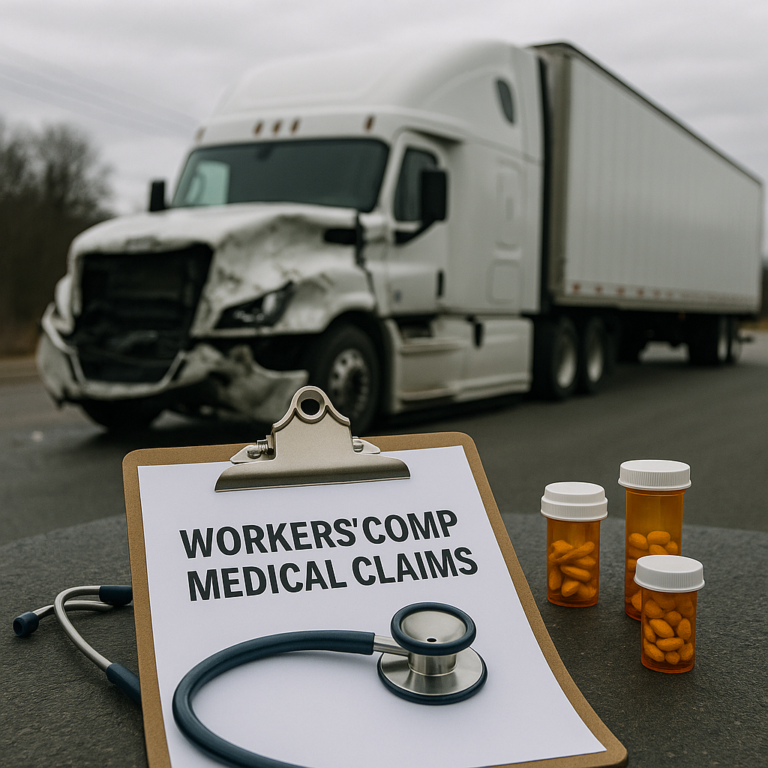
After a truck accident, injured individuals may require medications as part of their recovery process. The cost of prescription drugs can become a significant portion of total medical expenses, especially for injuries requiring ongoing or specialized medication. Insurance coverage for these prescriptions is generally expected as part of a patient’s health insurance, the automobile insurance policy’s personal injury protection (PIP), or, in some cases, workers’ compensation. However, disputes can arise regarding whether a specific medication is medically necessary, if it is covered by the insurance plan, or which insurer is responsible for payment. These issues are known as “prescription coverage disputes” and frequently emerge in the billing process following truck accidents.
Such disputes can delay care, lead to unexpected out-of-pocket costs, and require additional documentation or appeals to resolve. Understanding where and why these disputes occur within medical billing can help stakeholders recognize potential bottlenecks and the types of documentation involved.
Where It Typically Appears in the Billing Cycle
Prescription coverage disputes most commonly arise during the claims processing and payment adjudication stages of the medical billing cycle. The sequence generally looks like this:
1. Provider Prescribes Medication
A healthcare provider writes a prescription for medications related to injuries sustained in a truck accident.
2. Pharmacy Submits Claim
The patient or pharmacy submits the claim for the prescribed medication to the insurer—this could be health insurance, auto insurance (if PIP or MedPay applies), or, if job-related, workers’ compensation insurance.
3. Insurer Reviews Claim
The insurance payer reviews the claim for eligibility, coverage, and medical necessity.
4. Dispute or Denial Issued
If the insurer determines that the claim does not meet its requirements, it may deny or dispute all or part of the prescription costs. Common reasons are given for the decision.
5. Resolution Process Begins
The provider, pharmacy, or patient may be informed of the denial or dispute, which can initiate further documentation requests, corrections, or appeal processes depending on the insurer’s procedures.
Disputes might also arise if there is confusion over which insurer should pay (for example, health insurance vs. auto insurance), or if benefits are exhausted on one policy. These disputes can delay both medication access and claim payment.
Common Causes
Prescription coverage disputes after truck accidents can stem from a number of causes, including:
– Coverage Exhaustion: Benefit limits under PIP, MedPay, or health insurance are reached, leading to denied claims for additional prescriptions.
– Prior Authorization Issues: The insurer requires prior authorization for certain medications, which may not be obtained at the time of prescription.
– Medical Necessity Disputes: The insurer deems the medication not medically necessary for accident-related injuries or off-label use is not approved.
– Coordination of Benefits (COB) Confusion: Multiple insurers (health, auto, workers’ comp) may be involved, and confusion exists about which is the primary payer.
– Non-Formulary Medications: The prescribed medication is not included in the insurer’s formulary (approved list of covered drugs).
– Inaccurate or Incomplete Billing Information: Errors in patient, provider, or prescription details can result in denials or requests for correction.
– Delayed Claim Submission: Claims submitted after a specified filing deadline may be automatically denied.
– Out-of-Network Providers/Pharmacies: Prescriptions filled at out-of-network facilities may not be covered at the same level or at all.
– Documentation Gaps: Required supporting documentation, such as accident reports or physician notes, are not included with the claim.
– Disputes over Causation: Insurers may dispute that the need for medication is directly related to the truck accident.
Common Documents Involved
The documentation required to process and resolve prescription coverage disputes can be extensive and may include:
– Prescription Orders: The original prescription written by the healthcare provider.
– Medical Records: Notes describing the patient’s injuries, treatment plan, and progress.
– Accident/Police Reports: Documentation linking the prescriptions to the truck accident.
– Billing Statements/Claims Forms: Standardized forms (e.g., CMS-1500, UB-04, pharmacy claim forms) submitted to insurance.
– Explanation of Benefits (EOB): Itemized statements from the insurer showing what costs are covered and denied.
– Prior Authorization Forms: Documentation submitted to request insurer approval before dispensing certain medications.
– Denial Letters/Notices: Communications from the insurer outlining reasons for disputes or denials.
– Letters of Medical Necessity: Written justification from the prescribing provider explaining why a specific medication is required.
– Coordination of Benefits Forms: Documents clarifying which insurer is the primary payer in multi-policy situations.
How Disputes or Corrections Typically Happen (High Level)
When a prescription coverage dispute emerges—such as a denial or delayed payment—the resolution process is generally collaborative, with input from the patient, pharmacy, provider, and one or more insurers. The typical process may involve:
– Receiving Notification: The patient, pharmacy, or provider receives a denial notice or request for additional information.
– Gathering Documentation: Relevant documents, such as medical records, accident reports, or letters of medical necessity, are compiled.
– Resubmitting Claims: The claim may be corrected and resubmitted with additional or clarified information.
– Appeal Procedures: Some disputes may enter a formal appeal process within the insurer’s guidelines.
– Case Review: Insurers conduct further review with new documentation to determine if the prescription should be covered.
– Resolution: The outcome may be claim approval, additional payment, or an upheld denial.
This process helps ensure that prescription claims after truck accidents are appropriately reviewed and adjudicated based on the available evidence and policy terms.
—
Understanding the issues involved in prescription coverage disputes after truck accidents is essential for medical billers, healthcare providers, and insurers. While the landscape can be complex, awareness of common causes, key documentation, and standard dispute resolution procedures can help all parties navigate challenges more effectively and minimize disruptions to patient care.