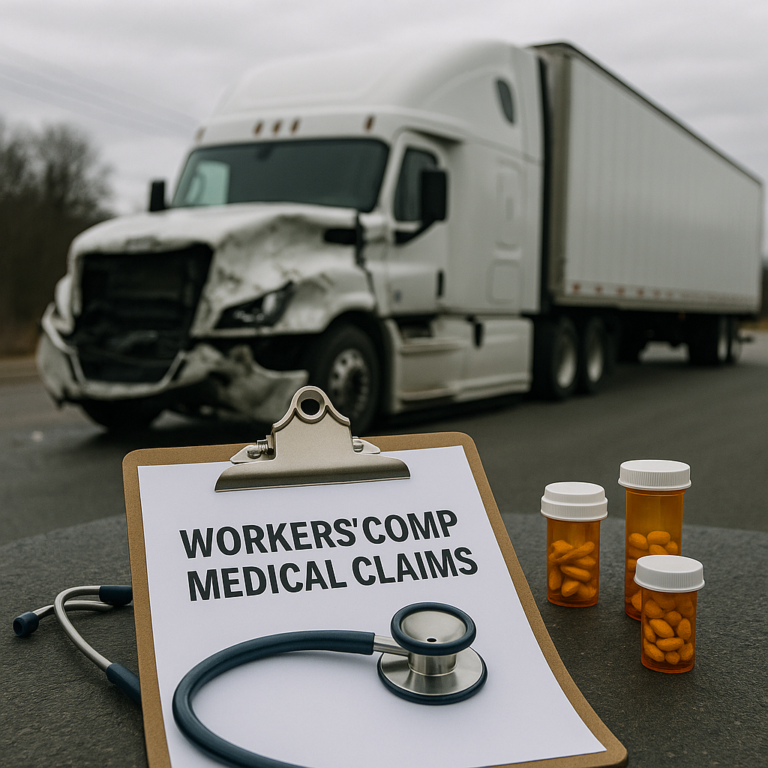
Income Volatility Following Serious Truck Injuries
Serious truck accidents can have a profound effect on many aspects of life. One lesser-discussed but deeply impactful consequence is income volatility—the unpredictable fluctuations in earnings—that follows a serious truck-related injury. As truck accident injuries can suddenly interrupt or alter a person’s ability to work, understanding the reasons for income disruption, the types of wage loss, and the documentation involved is crucial for those affected.
—
Overview of the Income Issue
When an individual sustains significant injuries in a truck accident, the immediate focus is often on medical care and recovery. However, a parallel crisis often emerges: the instability of income due to an inability to return to work, partial loss of work capacity, or permanent work restrictions. This income volatility is especially challenging for those who rely on steady wages to meet daily living expenses and long-term obligations.
There is no single pattern for how a truck injury disrupts income. In many cases, wage loss is immediate and total—especially if hospitalization or a lengthy recovery period is required. In other scenarios, the disruption is partial or drawn out, especially for individuals in gig or contract work, or those in physically demanding roles.
—
Why Income Loss Varies
Income loss following a truck injury is rarely uniform. Several factors contribute to this variability:
– Nature and severity of the injury: The more severe or disabling the injury, the greater the disruption to an individual’s capacity to work.
– Type of employment: Salaried, hourly, freelance, and gig workers experience wage loss differently. Those without paid leave or disability benefits may face greater volatility.
– Duration of recovery: Some workers are able to return to their job within weeks, while others face months or years of rehabilitation.
– Employer policies: Access to sick leave, short-term or long-term disability coverage, and the flexibility of job accommodations can influence wage stability.
– Local economic factors: The job market, wage rates, and demand for specialized skills affect how quickly an injured worker can return to gainful employment—if at all.
These factors, alone or in combination, create a spectrum of income loss scenarios, from temporary interruptions to permanent changes in earnings capacity.
—
Common Wage Loss Categories
Wage loss after a truck injury can stem from various sources and circumstances. Common categories include:
– Total Temporary Wage Loss:
Inability to work at all during the recovery period (e.g., hospitalization, post-surgical rest).
– Partial Wage Loss:
Reduction in hours or transition to light-duty work, resulting in lower earnings.
– Lost Opportunities:
Missed overtime, bonuses, commissions, or gig work that would have contributed to higher total income.
– Long-Term or Permanent Wage Loss:
Ongoing inability to return to previous employment or a need to accept lower-paying work due to injury limitations.
– Intermittent Wage Loss:
Inconsistent attendance or frequent absences caused by ongoing treatment, medical appointments, or residual symptoms.
– Job Loss/Unemployment:
Permanent separation from employment due to the inability to meet job requirements.
Each category comes with different timelines, earning impacts, and documentation requirements. The more severe and lasting the injury, the greater the likelihood of substantial and prolonged income volatility.
—
Documentation Commonly Associated with Wage Loss
Accurately capturing wage loss typically involves collecting multiple types of documentation. Standard materials used to verify and quantify income disruption include:
– Pay Stubs:
Show earnings before and after the injury.
– Tax Returns and W-2s/1099s:
Provide annual income information, particularly useful for self-employed or contract workers.
– Bank Statements:
Useful for demonstrating loss of direct deposits or irregular gig income.
– Employer Verification Letters:
Statements from employers about missed work days, usual job hours, salary, and applicable benefits.
– Medical Records and Work Restrictions:
Confirm injury severity, recommend work limitations, and justify absences.
– Attendance Records:
Detail days or hours missed due to injury and recovery.
– Disability Benefit Statements:
Show the amounts and periods covered by insurance or employer-provided disability income.
– Job Search Logs:
Evidence of efforts to seek re-employment or modified work, if required due to lasting limitations.
These records help paint a comprehensive picture of income volatility and the direct connections between injury and wage disruption.
—
Long-term Income Disruption Considerations
For some, injury-related income volatility doesn’t simply resolve with the end of medical treatment. Long-term consequences can include:
– Diminished Earning Power:
Ongoing physical or cognitive limitations can force individuals into lower-paying positions or careers.
– Job Retraining or Career Changes:
Those unable to return to their previous work may require extended education or skill development, often prolonging periods of low income.
– Impacted Retirement Planning:
Reduced earnings can lead to lower retirement savings or altered financial trajectories.
– Chronic Volatility:
Persistent health issues may result in ongoing periods of underemployment, absenteeism, or sporadic work capacity.
These factors emphasize how serious truck injuries may trigger a cascade of financial challenges that affect not just immediate income but also long-term financial stability.
—
Conclusion
Income volatility following a serious truck injury is a complex and multi-layered issue. The unpredictable loss and fluctuation of income, shaped by personal, occupational, and injury-specific factors, can present significant obstacles on the road to recovery. Understanding the categories of wage loss, collecting proper documentation, and remaining aware of possible long-term disruptions all play a role in navigating these financial uncertainties. By being mindful of the potential for income volatility, individuals and families affected by truck injuries can better anticipate and manage the challenges ahead—helping to foster financial resilience in the aftermath of serious accidents.