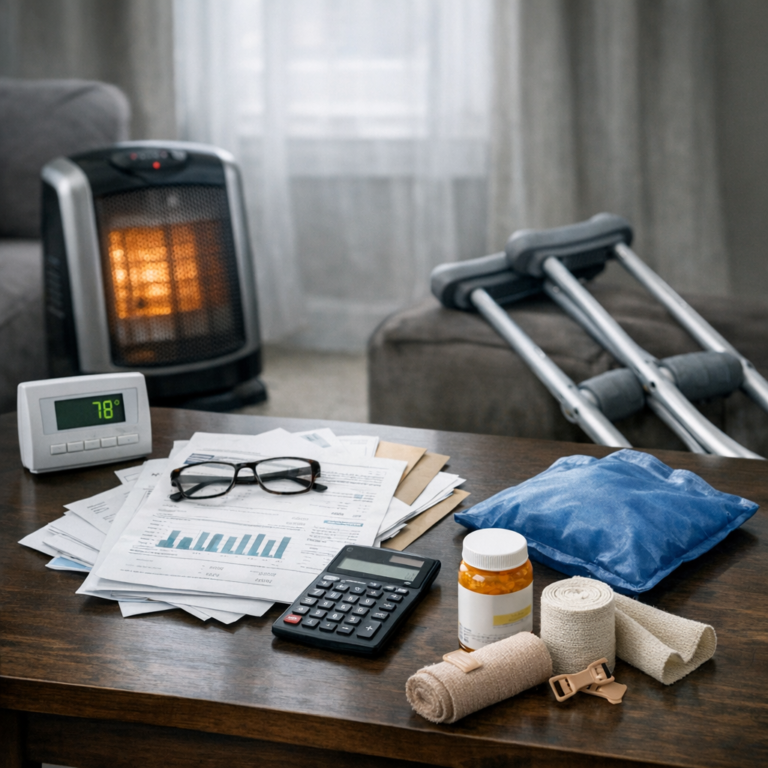
Medical Monitoring Costs After Truck Injuries: Understanding Long-Term and Future Expenses
When someone sustains injuries in a truck-related accident, the impact is often significant and lasting. Immediate medical care is just the beginning; many individuals require ongoing medical monitoring that can persist for months, years, or even a lifetime. As a result, the total expense of care includes not just immediate treatment, but also long-term and future costs that can be challenging to predict in advance. This article explores the topic of medical monitoring costs after truck injuries, focusing on what these costs entail, how they develop over time, and why predicting future expenses is complicated.
Overview of Long-Term Costs
Medical monitoring costs after truck injuries typically extend well beyond the initial emergency response and hospital stay. Unlike some minor accidents where recovery is swift, truck-related injuries are often more severe and can result in chronic health challenges. The financial impact of ongoing medical monitoring is substantial and includes a wide range of healthcare expenses.
These long-term costs can arise as a direct result of the injuries sustained, ongoing complications, or even secondary health problems. For instance, a person who suffers spinal trauma in a truck collision may require regular imaging scans, periodic specialist visits, physical therapy, and various medical tests for years. Similar costs can be expected for those with traumatic brain injuries, internal organ damage, or other serious conditions.
Understanding and anticipating these medical monitoring costs is crucial for anyone dealing with the aftermath of a truck injury—however, estimating the full range of future expenses is far from straightforward.
Why Future Expenses Can Be Hard to Estimate
There are several reasons why future expenses related to medical monitoring costs after a truck injury are difficult to predict:
– Variable Health Outcomes: The long-term outcome of a given injury can be unpredictable. Some individuals may recover more fully than expected, others may experience setbacks, or new complications may arise over time.
– Evolving Medical Needs: The need for medical monitoring can change based on the individual’s progress, the development of secondary conditions, and advances in medical technology.
– Changing Standards of Care: Medical guidelines and recommended monitoring schedules can shift in response to new research, potentially leading to either more or less ongoing care.
– Age and Pre-existing Conditions: A person’s age and health history can strongly influence recovery, long-term prognosis, and thus, the scope and frequency of needed monitoring.
These factors make it important to understand the potential types of costs involved and the wide range of influences that can affect overall expenses for continued care.
Common Future Cost Types
Medical monitoring costs after truck injuries typically involve several different types of expenses. These can include:
– Outpatient Visits: Regular appointments with primary care physicians, specialists (such as neurologists or orthopedists), and other healthcare providers.
– Diagnostic Testing: Ongoing imaging (like X-rays, MRIs, and CT scans), blood work, and other diagnostic evaluations to track healing or detect complications.
– Rehabilitation Services: Physical therapy, occupational therapy, and speech therapy to maintain or improve function.
– Home Health Care: In-home nursing visits, personal care assistance, or medical equipment needed to aid recovery or address disabilities.
– Prescription Medications: Long-term or maintenance medications to manage pain, prevent infections, or address secondary symptoms.
– Medical Supplies: Consumables such as wound care supplies, mobility aids, or assistive devices used on a recurring basis.
– Mental Health Services: Counseling or psychological services for emotional well-being, which can be a necessary part of post-injury care.
– Transportation Expenses: Costs associated with traveling to and from frequent medical appointments, which can add up significantly over time.
Each of these cost areas represents a potential recurring, long-term, or even lifelong financial obligation.
What Factors Influence Future Costs
Predicting the total medical monitoring expenses after a truck injury involves accounting for a range of influencing factors. Some of the most significant include:
Severity and Type of Injury
The nature and extent of the injury play a key role in determining future costs. For example, injuries involving the spine, brain, or multiple organs typically require more extensive and longer-term monitoring compared to isolated fractures or soft tissue injuries.
Treatment Progress and Complications
Some individuals experience smooth recoveries, while others encounter complications such as infections, delayed healing, or the onset of chronic conditions. Any of these can require additional or extended monitoring, increasing costs over time.
Patient Age and Overall Health
Older adults or individuals with pre-existing health issues may require a higher level of monitoring due to slower recovery, greater risk of complications, or the need for more comprehensive management.
Advances in Medical Technology
As new monitoring techniques or treatments become available, ongoing care requirements may change. This can create additional costs for adopting new technologies or, in some cases, reduce expenses if monitoring becomes more efficient.
Frequency of Required Monitoring
Some conditions necessitate frequent check-ups or repeated diagnostic tests, while others might be adequately managed with only periodic monitoring. The frequency, duration, and duration of necessary monitoring influence the overall outlook for future costs.
Access and Insurance Coverage
Geographic differences in access to specialists, as well as changes in health insurance coverage or policies, can impact out-of-pocket expenses related to long-term monitoring.
Socioeconomic Factors
Individual circumstances, such as the ability to access public supports, caregiver availability, or lifestyle changes prompted by the injury, can all play a role in determining the scope of future medical monitoring needs.
Examples of Recurring vs One-Time Costs
Understanding the distinction between recurring and one-time expenses can help clarify how medical monitoring costs evolve after a truck injury.
Recurring Costs:
– Monthly prescription medication refills
– Weekly or bi-weekly physical therapy sessions
– Quarterly blood tests or annual MRI scans
– Regular specialist evaluations or mental health counseling appointments
– Use of home healthcare assistance multiple times per week
One-Time or Intermittent Costs:
– Purchase of durable medical equipment (such as a wheelchair or hospital bed)
– Home modifications for accessibility (like installing ramps or grab bars)
– Single major surgeries or specialist assessments
– Intensive diagnostic workups after a new symptom appears
Both recurring and one-time costs can be substantial, but recurring costs tend to accumulate significantly over years of required medical monitoring.
—
Understanding medical monitoring costs after truck injuries requires careful consideration of both the types and timing of future expenses. Variability in health outcomes, changing care needs, and diverse individual circumstances all contribute to the complexity of long-term cost estimation. While each situation is unique, awareness of the factors involved can help individuals and families better understand the nature of the financial landscape they may encounter after a truck-related injury.