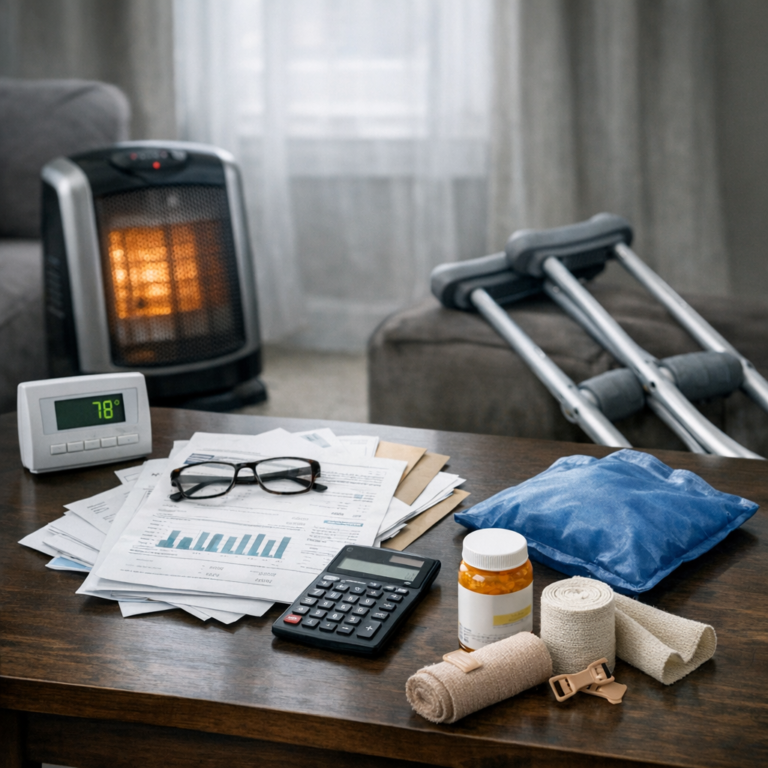
Understanding Accessibility Renovation Expenses: Long-Term Costs and Future Financial Considerations
Overview of Long-Term Costs
Accessibility renovation costs refer to the financial outlay involved in modifying a home or facility to improve access and usability for individuals with limited mobility, disabilities, or age-related challenges. These renovations are essential for creating barrier-free environments that support independence and safety. However, the financial aspect is more complex than a single upfront payment. Accessibility renovations often involve both immediate and long-term expenses, many of which may extend or change over time as needs evolve.
Long-term costs can encompass more than initial modifications. As individuals age or if their health conditions progress, further adaptations may be necessary. Some accessibility features also require ongoing upkeep or eventual replacement. Therefore, understanding both present and future expenses is central to preparing for the total investment of making a space genuinely accessible.
Why Future Expenses Can Be Hard to Estimate
Estimating future expenses related to accessibility renovations is challenging for several reasons. First, accessibility needs often change over time: A renovation that is sufficient today may require upgrades tomorrow due to evolving mobility requirements, advancing medical conditions, or new technologies. Building codes and accessibility standards can also change, leading to required updates in order to stay compliant.
Materials and products used in renovations—such as ramps, lifts, or specialized bathroom fixtures—may need maintenance, repair, or replacement over the years. Ongoing maintenance costs can be unpredictable, influenced by factors like usage frequency and the durability of chosen solutions.
Another source of unpredictability stems from the broader context: Market prices for labor and materials fluctuate due to inflation, supply chain constraints, or economic changes. These external forces can affect the overall cost of both new installations and repairs or replacements years after the original renovation.
Common Future Cost Types
Future expenses tied to accessibility renovation costs typically fall into several categories:
– Routine Maintenance and Repairs
Examples include servicing stairlifts, tightening railings, or replacing worn ramp surfaces to keep them safe and functional.
– Upgrades and Replacements
Over time, some installed features—such as walk-in tubs, elevators, or automatic doors—may require replacement due to age, wear, or technological obsolescence.
– Adaptation to Changing Needs
As mobility or health requirements evolve, additional modifications may become necessary, such as widening doorways further or adding voice-activated controls.
– Compliance Updates
Changes in accessibility regulations or building codes may mandate renovations to remain compliant with current standards.
– Technology Integration
The introduction of smart home technologies, such as automated lighting or security systems tailored for accessibility, could prompt future upgrades.
– Cosmetic Refurbishments
Some accessibility features (e.g., grab bars, ramps) may also require cosmetic updates to match interior renovations or restore aesthetics after years of use.
What Factors Influence Future Costs
Numerous variables can impact future expenses related to accessibility renovation costs. Understanding these factors can help illuminate the complexity of long-term planning.
– Type and Quality of Materials
Durable, high-quality materials may reduce the frequency of repairs and replacements, while lower-quality alternatives might incur recurring costs.
– Complexity of Renovations
More sophisticated installations, such as home elevators or automated systems, often entail higher and less predictable maintenance or upgrade costs.
– Environmental Factors
Properties located in areas with extreme weather, high humidity, or frequent temperature shifts may see increased wear, leading to more frequent repairs.
– User’s Changing Needs
The progression of medical conditions or changes in physical ability can require further adaptations of previously completed renovations.
– Regulatory Changes
Updates to local or national accessibility standards and building codes can dictate unexpected modifications or additional compliance costs.
– Manufacturer and Service Availability
The availability of replacement parts, warranties, and service providers may affect repair costs and the ease of ongoing upkeep.
– Technological Advancements
New innovations in accessible design or smart home technology may provide opportunities—or create the necessity—for future improvements.
Examples of Recurring vs One-Time Costs
Understanding the difference between recurring and one-time expenses is useful when considering long-term accessibility renovation costs.
Recurring Costs
– Lift Maintenance: Regular inspection and servicing of stairlifts or home elevators to ensure safe operation.
– Ramp Repairs: Re-coating, resurfacing, or repairing ramps due to weathering or heavy use.
– Adjustments to Grab Bars and Railings: Ensuring these features maintain structural integrity.
– System Updates: Upgrading software or firmware in automated controls or security systems.
– Compliance Checks: Periodic assessments to meet evolving legal or safety standards.
One-Time Costs
– Initial Installation of Ramps: The cost associated with constructing a wheelchair-accessible ramp.
– Converting a Bathroom: One-time expenses for installing a roll-in shower or accessible toilet.
– Doorway Widening: Structural modifications made once to improve access.
– Installing Smart Home Devices: A single investment to integrate voice control or automated lighting for accessibility.
– Adding Threshold Ramps: Installing ramps to remove small step barriers at entrances.
—
In summary, accessibility renovation costs encompass both immediate and future expenses. The long-term financial picture is shaped by a variety of factors, from the durability of chosen products to evolving individual needs and compliance demands. Understanding the nature of both recurring and one-time costs, as well as what influences them, is key to grasping the complex financial landscape of accessibility renovations. This awareness highlights the importance of ongoing attention and adaptability as needs change and environments evolve.