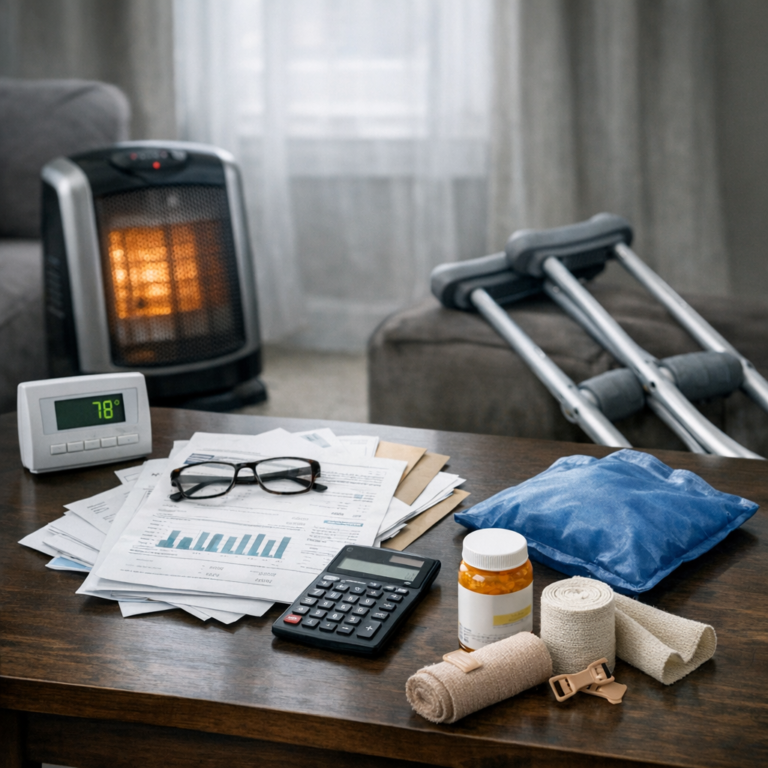
Planning for Recurring Care Costs
Long-term care is a growing concern for individuals and families as life expectancy increases and medical advances enable people to live longer, often with ongoing health needs. Understanding and planning for recurring care costs is an important aspect of preparing for the future, especially as these expenses can accumulate significantly over time. This article explores long-term care costs, the challenge of estimating future needs, common types of ongoing expenses, what influences these costs, and how recurring expenses differ from one-time costs.
—
Overview of Long-Term Costs
Recurring care cost planning involves anticipating the ongoing expenses required to support someone’s health and daily living needs over an extended period. Long-term care encompasses a variety of support services, from assistance with daily activities in the home to full-time residency in assisted living or skilled nursing facilities.
These costs are not limited to direct medical care. They often include non-medical services such as help with bathing, dressing, meal preparation, and medication management. Because these needs can continue for years or even decades, the total expenditure for long-term care can be substantial. Recurring costs, by their nature, are expenses that repeat over time, typically monthly or annually, making them a significant consideration in financial and care planning.
Additionally, the scope and type of care required can change over time due to progressive health conditions, rehabilitation needs, or evolving personal circumstances. This dynamic nature adds another layer of complexity to planning for recurring care costs.
—
Why Future Expenses Can Be Hard to Estimate
Anticipating future recurring care costs involves a high degree of uncertainty. Several key factors contribute to the difficulty of making precise long-term estimations:
Changing Health Needs: Health conditions may arise suddenly or progress gradually. Some conditions, like dementia or Parkinson’s disease, frequently necessitate increased and ongoing care over time.
Variety in Service Models: The availability, scope, and cost of care services can vary widely across geographic regions and providers. Options range from informal care at home to specialized residential facilities.
Inflation and Cost Increases: The cost of care tends to rise over time due to general inflation and sector-specific cost drivers, such as wage growth among care workers or advancements in medical technology.
Policy Changes: Government programs and insurance policies related to long-term care can change, affecting what services are covered or subsidized and influencing out-of-pocket costs.
Unpredictable Duration of Need: The length of time an individual may require care is uncertain. Some individuals may only need short-term recovery support, while others may live for many years with ongoing care requirements.
For these reasons, recurring care cost planning must incorporate flexibility and adaptability, recognizing that actual expenses could be higher or lower than anticipated.
—
Common Future Cost Types
When considering recurring care cost planning for long-term needs, various types of recurring and future expenses are typically encountered. These include, but are not limited to:
– Home Care Services: Regular payments for in-home assistance with daily living activities, light housekeeping, companion care, or personal care aides.
– Assisted Living Fees: Ongoing charges for residence in assisted living communities, covering housing, meals, social activities, and certain care services.
– Skilled Nursing Facility Costs: Monthly or daily fees for round-the-clock medical care and supervision in nursing homes.
– Adult Day Care Programs: Regular weekday charges for daytime supervision, activities, and medical monitoring, often for individuals with cognitive impairments or physical limitations.
– Therapies and Rehabilitation: Recurring appointments for occupational, physical, or speech therapy to maintain or recover functional abilities.
– Medication Management: Monthly costs associated with regular prescription drugs, medical monitoring, and supervision related to medication adherence.
– Meal Delivery Services: Repeated payments to organizations that provide prepared meals to individuals who need assistance with nutrition.
– Transportation Services: Ongoing expenses for transportation to medical appointments, therapy sessions, or social outings, especially for those no longer able to drive.
– Household Support: Scheduled costs for services such as laundry, cleaning, and home maintenance, which can be essential for independent living as mobility decreases.
– Personal Emergency Response Systems: Monthly subscription fees for emergency alert systems that allow individuals to call for help if needed.
Each of these costs represents a different aspect of supporting long-term independence, well-being, and safety for individuals requiring ongoing care.
—
What Factors Influence Future Costs
The future cost of recurring care is shaped by a mix of personal, medical, and economic elements. Some of the primary influences include:
– Level of Care Required: As care needs increase, from intermittent assistance to full-time supervision or medical interventions, expenses tend to rise accordingly.
– Type of Service Provider: Costs may vary depending on whether care is provided by family members, private agencies, nonprofit organizations, or institutional settings.
– Geographic Location: Prices for care services are often higher in urban or affluent areas and may be affected by local labor markets and regulatory frameworks.
– Length of Care Needed: The total outlay is influenced by how many years or months care is required, which can be difficult to predict.
– Complexity of Medical Needs: Individuals with chronic illnesses or multiple diagnoses may require specialized, and thus more expensive, ongoing care.
– Availability of Public Support: Access to government-funded services, subsidies, or insurance can offset out-of-pocket expenses.
– Changes in Technology: Advances in medical equipment, home automation, or telehealth services can alter both the types and cost of care needed.
– Personal Preferences: Some may prefer more private, home-based care, while others may opt for community-oriented settings, each with distinct cost structures.
– Family and Informal Support Networks: The presence of family caregivers can reduce or modify the need for formal paid services.
By considering these factors, individuals and families can better understand the range of potential recurring care costs and the variability inherent in long-term projections.
—
Examples of Recurring vs One-Time Costs
To further clarify recurring care cost planning, it’s helpful to consider the distinction between recurring and one-time expenses related to long-term care.
Recurring Costs:
– Monthly home health aide visits
– Routine medication delivery
– Weekly housekeeping services
– Facility fees in assisted living
– Subscription to a medical alert system
One-Time Costs:
– Installation of grab bars or wheelchair ramps in the home
– Upfront deposits or entry fees for certain care communities
– Purchase of a mobility aid, such as a wheelchair
– Single payment for a home safety assessment
– Initial evaluation by a physical therapist
Recognizing the difference between these expense types allows for a clearer understanding of ongoing financial commitments versus those costs that may occur only once.
—
Conclusion
Recurring care cost planning is a vital foundation for preparing for long-term health and personal care needs. While estimating future expenses presents challenges due to factors such as changing health needs, economic shifts, and evolving service models, a thorough understanding of common recurring costs and influential factors can facilitate informed discussions and more holistic long-term care strategies. By distinguishing between recurring and one-time expenses, individuals can develop a clearer picture of what to expect and the considerations involved in supporting quality of life over the long term.