Household Cost Increases After Truck Accidents
Overview of the Expense Type
After serious truck accidents, recovering individuals and their families often face significant changes in their daily lives. One frequently overlooked consequence is the increase in household costs. “Household costs” refer to the regular and additional outlays needed to maintain one’s home, daily routines, and quality of life. Following a truck injury, these costs may escalate due to restricted mobility, loss of income, and the necessary accommodations for ongoing care.
These expenses encompass a wide spectrum of needs: household help, modifications to living spaces, new or increased transportation needs, and alterations in daily consumption of goods and services. While initial medical bills and lost wages often receive attention, the broader impact on daily life and how much it costs to function at home is just as critical for those navigating long-term recovery.
Why This Expense Is Common After Serious Injuries
Serious injuries sustained in truck accidents frequently limit a person’s physical capabilities, sometimes permanently. Everyday tasks that were once routine may become difficult or impossible to perform independently. Individuals may lose the physical ability to handle essential chores or self-care tasks such as cooking, cleaning, dressing, bathing, or maintaining their home and yard.
Moreover, family members may need to redirect their own time—from work or other responsibilities—to assist the injured person, potentially resulting in lost household income. In some cases, hiring external help becomes necessary. As recovery progresses, the need for professional care, accessible transportation, and home modifications may increase, all of which contribute to the rise in household costs.
Individuals may also have new or larger spending needs as a result of adaptive equipment, specialized dietary requirements, or greater reliance on delivery and convenience services. These ongoing expenses are a direct consequence of the injury, adding up substantially over the course of months or even years.
Typical Expense Categories
A wide range of household costs may rise after a serious truck injury. Some of the most common categories include:
– In-Home Care Services: Hiring aides or nurses for personal care, mobility assistance, medication reminders, or supervision.
– Household Help: Cleaning services, laundry, yard work, meal preparation, and general housekeeping.
– Home Modifications: Installing ramps, stairlifts, wheelchair-accessible showers, handrails, lowered countertops, and widened doorways for accessibility.
– Medical Equipment and Supplies: Buying or renting hospital beds, mobility devices (wheelchairs, walkers), and incontinence supplies for home use.
– Transportation Costs: Accessible vehicle purchases, rideshare services for those unable to drive, or increased taxi and public transportation expenses.
– Child or Dependent Care: Additional childcare or elder care needs if the injured person previously provided these services.
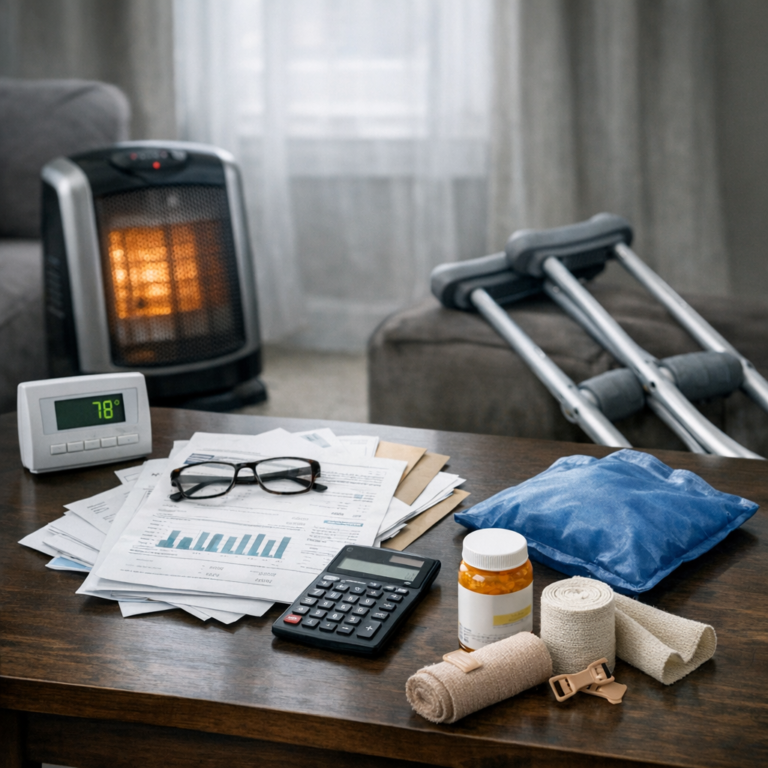
– Increased Utility Bills: More frequent use of heating, air conditioning, water, or electricity due to being homebound or requiring special equipment.
– Special Dietary Needs: Increased grocery spending or reliance on specialty meal delivery to accommodate dietary restrictions.
– Pet Care: Professional pet-sitting, grooming, or dog-walking if the injured person can no longer provide for their pets.
– Home Security and Monitoring: Systems for remote monitoring or emergency response in case the injured person requires urgent help.
Certain costs will be short-term, covering the immediate aftermath of an injury, while others may become permanent fixtures in the monthly household budget as a result of lasting disabilities.
Documentation That May Track These Expenses
Tracking and documenting these increased household costs is often necessary for personal budgeting and for communicating one’s situation with case managers, insurers, or other support professionals. Typical sources and methods of documentation include:
– Receipts and Invoices: For hired services, home modifications, equipment, and supplies.
– Service Contracts/Agreements: For regular home care, cleaning, or transportation providers.
– Bank and Credit Card Statements: Reflecting regular payments for services and changes in spending patterns.
– Care Logs or Journals: Daily records maintained by the injured person or their family detailing the care received and services used.
– Utility Bills: To show increased utilities usage after the injury.
– Purchase Orders: For equipment, groceries, or specialty items ordered to meet new needs.
– Photos or Inventories: Of home modifications or newly acquired adaptive equipment.
– Correspondence with Service Providers: Emails, letters, or records of appointments with care coordinators or modification specialists.
Proper documentation can provide a clear record of how household costs have changed as a direct result of a truck injury, supporting any needs assessment or long-term planning.
How Expenses Change Over Time
The nature and size of household cost increases after a truck accident often evolve throughout the recovery process. In the immediate aftermath of injury, there may be a surge in spending due to emergency home modifications, equipment rentals or purchases, and the need for intensive in-home assistance. This initial phase may be followed by a period of adjustment, during which some costs stabilize or decrease as the household adapts to new routines and needs.
For some, costs remain elevated indefinitely if the injury results in permanent disability. In these cases, sustained or even increasing spending on home care, regular adaptive equipment upgrades, and ongoing modifications may be necessary as needs change with age or as technology advances.
Conversely, in situations where recovery progresses well and the individual regains some level of independence, certain costs—like personal assistance or medical supplies—may decrease. However, some modifications (such as ramps or widened doorways) remain permanent investments in the home, potentially affecting the housing situation or its value.
Over the long term, the pattern of household costs after a truck injury is shaped by the interaction of medical progress, evolving personal needs, and adaptations both by the individual and the household. Careful planning and documentation help households manage these changes while maintaining stability and quality of life.
—
By understanding the nature and scope of household cost increases after truck accidents, individuals and families can better anticipate and manage the practical implications of long-term recovery and adaptation. Recognizing these costs as a component of the broader impact of truck injuries supports more comprehensive planning for the future.