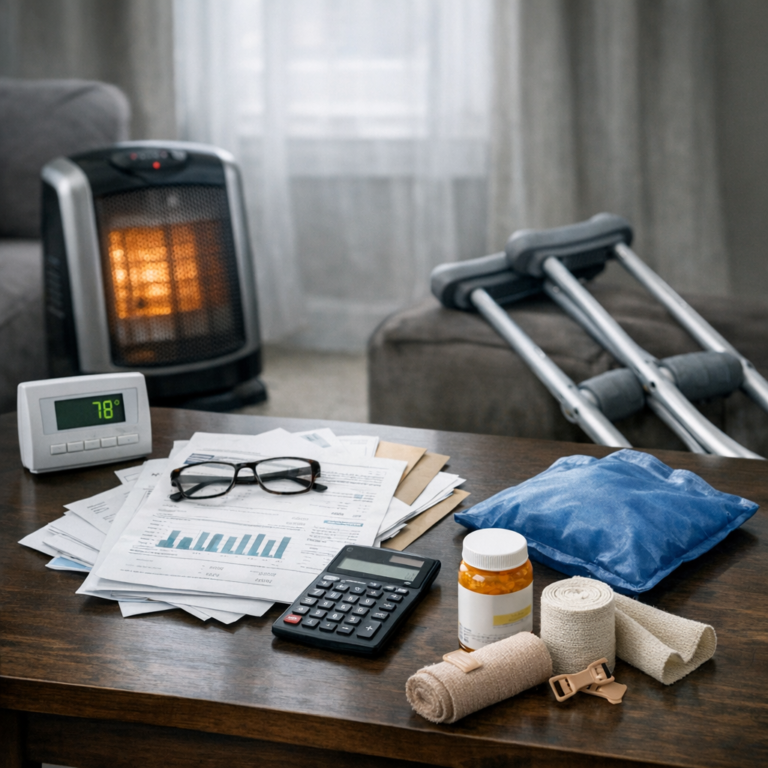
Utility Cost Increases After Serious Injuries: An Overview
Overview of the Expense Type
Serious injuries resulting from truck accidents often lead to significant changes in an individual’s daily life and household management. Among these changes, one frequently overlooked area is an increase in utility costs. A “utility cost increase” refers to the rise in standard home utility bills—such as electricity, water, gas, and other essential services—following an accident.
Utility costs generally include monthly bills for electricity, heating or air conditioning, water, sewer, waste collection, and sometimes telecommunication services. After a severe truck injury, these costs can surge, sometimes substantially. This can be attributed to extended home stays, the use of medical devices, heating or cooling needs related to reduced mobility, and changes in personal care routines.
Understanding why and how these utility cost increases occur can help those newly adjusting to life after injury plan financially and adapt their living environments accordingly.
Why This Expense Is Common After Serious Injuries
There are several reasons why people experience utility cost increases after suffering serious injuries in a truck accident:
1. Extended Home Recovery: Recovery from serious injuries often requires an individual to remain at home for prolonged periods. This increased occupancy means lights, electronics, heating or cooling systems, and water are used more frequently than before.
2. Use of Medical Equipment: Many serious injuries require the installation and continuous use of medical devices at home. These may include electric hospital beds, oxygen concentrators, powered wheelchairs, and refrigeration for medications. Such equipment can significantly raise electricity consumption.
3. Reduction in Physical Mobility: Limited mobility may demand higher usage of climate control. For example, someone unable to move freely might require heating or cooling devices to remain comfortable, rather than adjusting their clothing or relocating within the home.
4. Enhanced Hygiene and Personal Care: Injuries often necessitate increased personal hygiene, such as more frequent bathing, laundry, and cleaning to reduce infection risk. These activities consume more water and electricity.
5. Support Personnel and Visitors: If in-home care providers, therapists, or family members visit frequently, the added presence results in a higher demand for lighting, water, and other utilities.
These factors illustrate how serious injuries often translate to higher household utility costs, and why tracking and managing these expenses becomes important during recovery.
Typical Expense Categories
Below is a breakdown of typical utility expense categories that might see increases after a serious injury:
– Electricity:
– Medical device operation (CPAP, electric beds, therapy machines)
– Greater use of lighting, televisions, and computers due to more time at home
– Heating pads, electric blankets, and space heaters or portable AC units
– Water:
– More frequent bathing or showers
– Increased laundry (clothing, bedding, towels)
– Additional cleaning needs to maintain a hygienic environment
– Gas/Heating Fuel:
– Prolonged use of central heating if mobility is reduced
– Water heating for increased bathing or laundry
– Waste Disposal:
– Extra medical waste or disposables can increase garbage output
– More frequent removal may be needed
– Telecommunications:
– Increased phone or internet use for telehealth appointments, support services, or to maintain connections while homebound
These categories can be uniquely affected by each individual’s post-injury needs, making it important for household budgets to be revisited following a truck injury.
Documentation That May Track These Expenses
Managing increased utility costs requires careful tracking and documentation. Several sources and types of documentation can help individuals or caregivers monitor, measure, and understand changes in utility spending over time:
– Monthly Utility Bills: Most utilities send detailed monthly statements showing usage and charges. Comparing bills from before and after the injury can reveal the scale of increase.
– Online Customer Accounts: Many utilities offer online portals, where historical usage data and costs can be downloaded or viewed in graph format, making trends easier to see.
– Equipment Manuals or Energy Guides: For medical or assisted living devices, manufacturer materials often specify typical energy demands, which can be forecasted against total household consumption.
– Home Energy Audit Reports: Some providers offer or subsidize home energy audits, which can document additional energy needs and highlight areas for efficiency improvements.
– Personal Expense Logs: Caregivers or individuals may keep spreadsheets or notebooks to record expenses related to injury adaptation, including changes in utility bills.
Having well-organized documentation serves multiple purposes: it aids in budget planning, provides insight into which devices or behaviors are contributing to higher costs, and supports any applications for financial support or accommodations.
How Expenses Change Over Time
Utility cost increases immediately after a serious injury are often the highest. Extended hospital stays or the initial return home may drive frequent use of assistive devices, climate control, and personal care routines, leading to a peak in utility consumption.
Over time, however, these expenses can fluctuate, depending on several factors:
– Adjustment to Routines: As individuals and caregivers settle into new daily patterns, they may discover ways to manage or reduce utility use, such as optimizing laundry loads or using energy-efficient devices.
– Seasonal Variations: Costs for heating, cooling, and water may fluctuate by season, becoming higher in extreme temperatures if the injured individual is particularly sensitive.
– Recovery Progression: As health improves or as adaptive equipment needs change, some utility-consuming devices may be needed less often, or new equipment may be introduced that is more energy-efficient.
– Household Change: If support teams (family, in-home nurses, therapists) are needed less often over time, overall household utility demands may decrease accordingly.
It is important to note that in some cases, increased utility expenses can be long-term, particularly when serious injuries result in permanent changes in mobility or medical needs.
—
In summary, serious injuries resulting from truck accidents often lead directly to higher utility costs at home. These increases span several standard utility categories and can vary widely, depending on medical equipment, personal care requirements, household support arrangements, and changes in living routines. Careful documentation and a clear understanding of expense patterns over time can help households adjust and manage their finances in the face of new post-injury challenges.