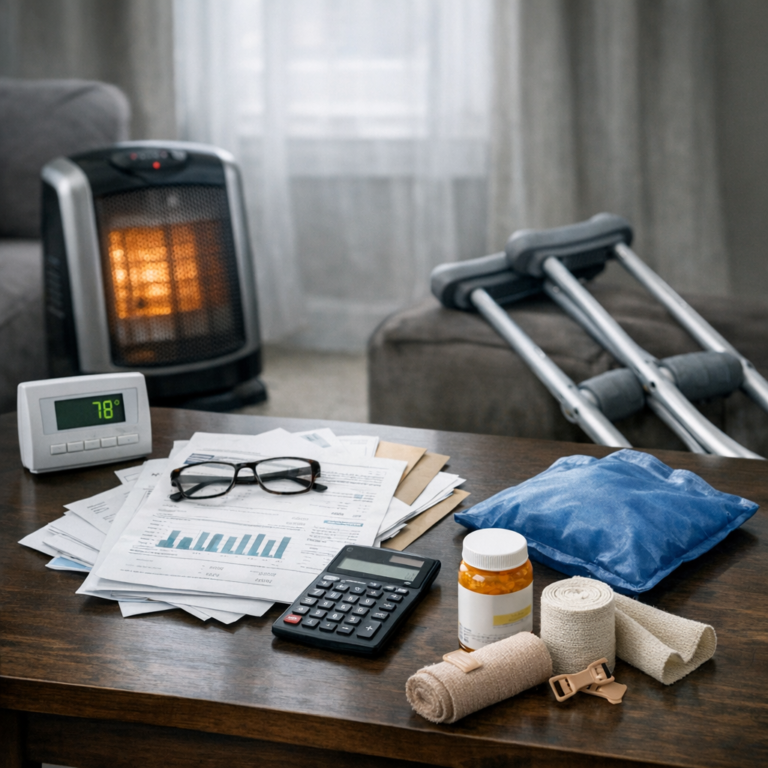
Heating and Cooling Expense Changes After Serious Truck Injuries
Overview of the Expense Type
Heating and cooling expenses refer to the costs associated with regulating indoor temperatures for comfort and health. These expenses typically include utility bills from electricity, natural gas, oil, or other energy sources, as well as the purchase, maintenance, or replacement of heating, ventilation, and air conditioning (HVAC) equipment.
For individuals recovering from serious truck injuries, heating and cooling expenses can undergo significant changes. The aftermath of a major physical injury often results in altered mobility, changes in day-to-day routines, and specific health requirements that affect the need for more precise environmental control.
Why This Expense Is Common After Serious Injuries
After a serious truck injury, individuals may face new or heightened challenges in managing their physical comfort and well-being. Certain physical injuries can reduce one’s tolerance to temperature fluctuations or increase the health risks associated with extreme heat or cold. For example, someone with limited mobility may not be able to regulate body temperature by moving around easily. Additionally, medications prescribed as part of injury recovery may impact how the body reacts to heat or cold.
Accessibility within the home environment is also a factor. Injured individuals might spend extended periods in bed or confined to a single room, making it necessary to maintain a consistent and comfortable temperature in specific areas, possibly leading to increased energy use. Reduced physical activity due to injury can further limit the body’s ability to stay warm or cool naturally, leading to a higher reliance on heating in cold months and cooling in warmer periods.
Typical Expense Categories
Heating and cooling expenses after a serious injury often include a broad range of costs. Some of the most common categories are:
– Increased utility bills: More regular or intensive use of heating and air conditioning systems to maintain a stable and comfortable indoor temperature.
– Space heaters or portable AC units: Purchase and operation of supplemental devices to provide targeted temperature control in specific rooms, which can be critical for individuals with limited mobility.
– HVAC maintenance and repairs: More frequent servicing of heating and cooling equipment to ensure reliable operation, especially if it is running more often.
– Upgraded insulation or windows: Installation of improved insulation, weather stripping, or energy-efficient windows to reduce fluctuations in indoor temperature and lower the burden on HVAC systems.
– Equipment upgrades: Replacement of older heating or cooling systems with more efficient models to better serve the changed needs of the injured individual.
– Adaptive equipment: Special medical equipment, such as hospital beds or air mattresses, may require the environment to be kept within specific temperature ranges for the user’s safety and health.
Documentation That May Track These Expenses
Accurately tracking and documenting heating and cooling expenses is important, especially for individuals who need to monitor their budgets or justify these expenses for insurance or other administrative purposes. Typical forms of documentation include:
– Utility bills: Monthly statements from electricity, natural gas, or oil providers, showing changes in usage and costs over time.
– Receipts from equipment purchases: Documentation of costs for supplemental heaters, air condition units, or more substantial HVAC upgrades.
– Service invoices: Records from maintenance or repairs conducted on heating and cooling systems.
– Energy assessments: Reports from professional audits or evaluations of home energy efficiency, often conducted when seeking upgrades or insulation improvements.
– Medical recommendations: Doctor’s notes or care plans outlining special temperature requirements due to medical conditions related to the injury.
How Expenses Change Over Time
Heating and cooling costs often fluctuate as the recovery process evolves and circumstances change. In the immediate aftermath of a truck injury, there may be a sudden spike in expenses as emergency adaptations are made—this can include running HVAC systems longer, purchasing portable units, or quickly implementing energy-saving modifications.
As recovery advances, heating and cooling needs may stabilize or decrease, especially if mobility and independence improve. For some, however, long-term or permanent limitations mean that elevated heating and cooling expenses become the new norm. This is especially true in cases involving spinal cord injuries or other conditions that permanently alter the body’s temperature regulation abilities.
Improvements in a home’s energy efficiency, such as upgraded insulation, may help reduce costs after initial investments are made. Over the long term, the need for careful temperature control may continue, but the installation of efficient systems can help to mitigate ongoing expenses.
Additionally, changes in living arrangements—such as a move to a more accessible or energy-efficient residence—can also impact heating and cooling costs.
—
Heating and cooling costs are an essential component of practical life expenses after a serious truck injury. Changes to these costs reflect both the immediate and lasting impacts of injury on daily living, encompassing immediate equipment purchase and increased utility use as well as potential long-term adaptations to the living environment. By understanding the typical categories of these expenses and the reasons they may increase, injured individuals and their households can more effectively manage and track the impact on their household budgets.