Budget Adjustment Expenses After Truck Injuries
Serious truck accidents often lead to devastating injuries that impact nearly every facet of a person’s daily life. Aside from immediate medical emergencies, survivors and their families face a challenging financial landscape. Among the most significant and ongoing challenges are budget adjustment expenses after truck injuries. Understanding these costs is vital for realistic long-term planning and financial stability after such life-altering events.
Overview of the Expense Type
Budget adjustment expenses refer to the altered and additional living costs people face as a direct result of their injury. Unlike emergency or short-term medical bills, these expenses usually reflect ongoing, day-to-day changes that necessitate new investments, lifestyle modifications, and sometimes, a complete reorganization of how money is allocated within a household.
Budget adjustment costs after injury are not limited to healthcare. They may encompass new transportation methods, home modifications, changes in work circumstances, and even shifts in daily living activities like cooking, cleaning, and self-care. These changes can be temporary during recovery or permanent, depending on the severity of the injury.
Why This Expense Is Common After Serious Injuries
Truck injuries often lead to significant physical and sometimes cognitive impairments. As a result, individuals may no longer be able to maintain the same routines, employment status, or independence they had prior to the accident. Serious injuries linked to truck accidents—such as spinal cord damage, traumatic brain injuries, or multiple fractures—frequently require new equipment, assistive devices, specialized care, and sometimes, reliance on others for everyday tasks.
Such injuries can:
– Decrease an individual’s ability to earn or maintain income.
– Necessitate modifications to living environments for safety and accessibility.
– Require ongoing assistance or professional care.
– Change how and when money is spent, making budget adjustments a necessity.
These factors converge to make budget adjustment costs after injury a widespread and unavoidable aspect of post-accident life for many survivors and their families.
Typical Expense Categories
After a serious truck accident, individuals commonly encounter a variety of budget adjustment expenses. Some of the most typical categories include:
– Medical Equipment and Supplies: Wheelchairs, walkers, prosthetics, in-home hospital beds, wound care supplies, and other adaptive devices.
– Home Modifications: Ramps, wider doorways, grab bars, stair lifts, roll-in showers, and other accessibility improvements.
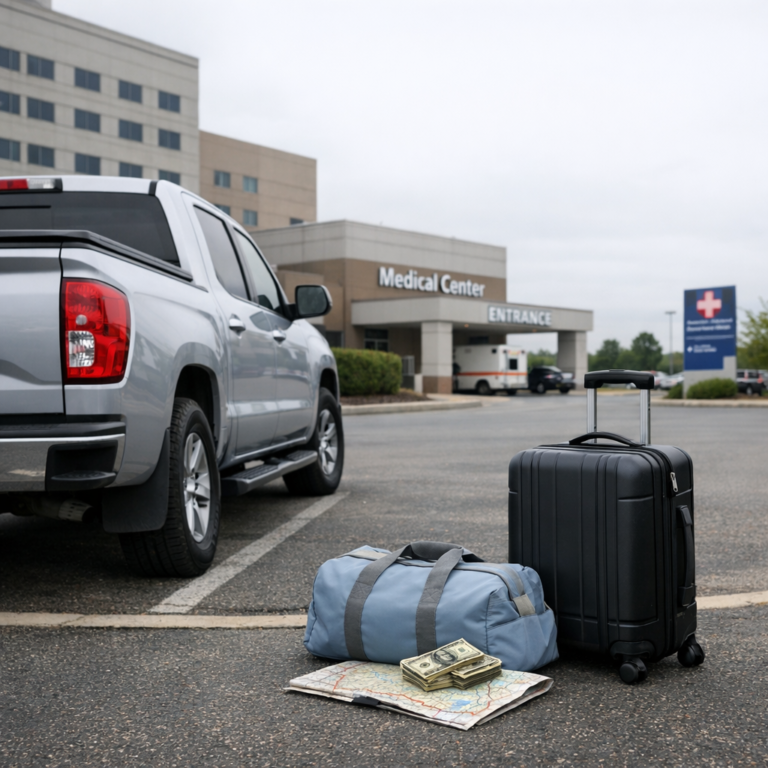
– Transportation Adjustments: Adapting vehicles for wheelchair access, increased reliance on taxis, rideshare apps, public transport, or non-emergency medical transportation.
– Personal Care Assistance: In-home skilled nursing, personal care aides, or support workers to help with dressing, bathing, meal preparation, and household chores.
– Lost Income and Employment Shifts: Sudden job loss, reduced hours, or a need for less physically demanding work, which alters the household budget.
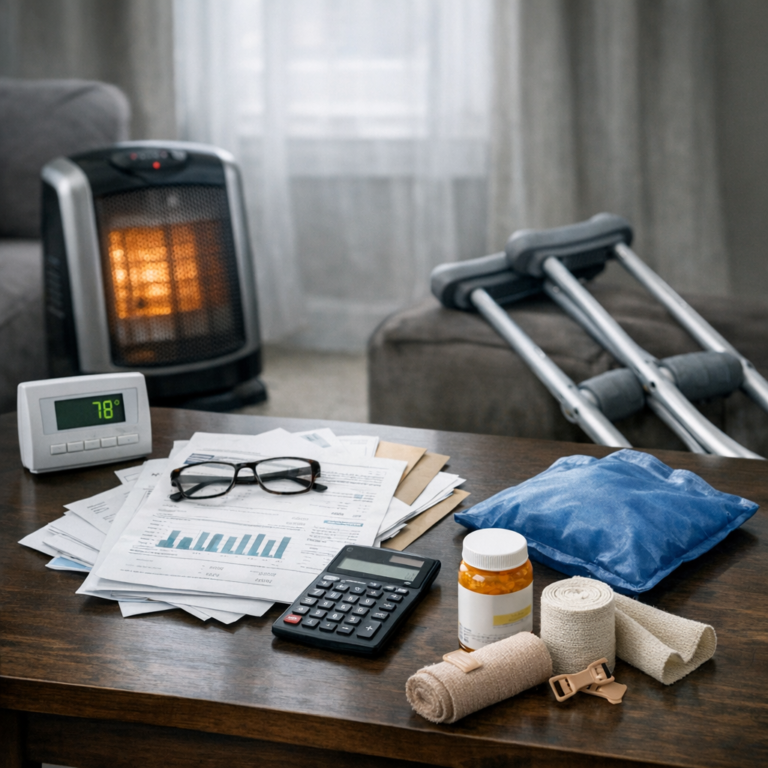
– Increased Utility Costs: More time at home may mean higher energy, heating, and water bills.
– Childcare and Family Support: Reliance on paid childcare or family support in cases where the injured person played a caregiving role prior to the accident.
– Rehabilitation and Therapy: Ongoing costs for physical therapy, occupational therapy, counseling, or related services.
– Education and Training Expenses: If retraining for a new job is necessary, tuition, books, and other educational costs may arise.
The nature and scale of these expenses vary depending on the kind and severity of the injury, personal circumstances, insurance coverage, and geography.
Documentation That May Track These Expenses
Accurately tracking and documenting budget adjustment costs after injury is essential for managing finances and understanding the full economic impact on a household. Common forms of documentation include:
– Expense Logs or Spreadsheets: Manually recorded line items for all new and ongoing expenditures.
– Receipts and Invoices: Physical or digital copies for all purchases and services, including medical equipment rentals, modifications, and care.
– Bank and Credit Card Statements: Transactions that reflect increased or unusual spending patterns post-injury.
– Caregiver Logs: Detailed charts showing the hours and types of care provided, along with associated costs or mileage.
– Employment Records: Documentation from employers outlining lost wages, reduced hours, or job modifications related to injury.
– Utility Bills: Pre- and post-injury records to identify changes in household operating costs.
– Therapy and Rehabilitation Records: Invoices and appointment summaries for ongoing treatment.
Organizing these records helps with budget planning and can make it easier to identify trends, needs, and opportunities for future expense management.
How Expenses Change Over Time
Budget adjustment costs after injury are rarely static. Immediately following a truck accident, there is often a sharp, upfront increase in spending. This is driven by acute medical care needs, initial home modifications, and the acquisition of mobility aids or other essential devices. Over time, some expenses may diminish—such as one-time home alterations—while others, like ongoing care or therapy, persist or fluctuate depending on health status.
In some cases, new expenses emerge later in the recovery process, such as vocational training or additional home updates as physical needs evolve. Conversely, some costs can decline as the individual becomes more independent or as certain recovery milestones are achieved. It is also not uncommon for inflation or advances in assistive technology to affect long-term budget planning for injured individuals.
Careful and regular review of these expenses helps individuals and families anticipate future changes, better allocate resources, and maintain financial stability in the face of ongoing challenges.
—
Understanding and preparing for budget adjustment costs after injury caused by serious truck accidents can be an essential step in managing the complex aftermath. By identifying typical expense categories, tracking spending diligently, and recognizing how financial demands may shift over time, injured individuals and their support networks can adapt more effectively to the realities of life after a serious truck injury.