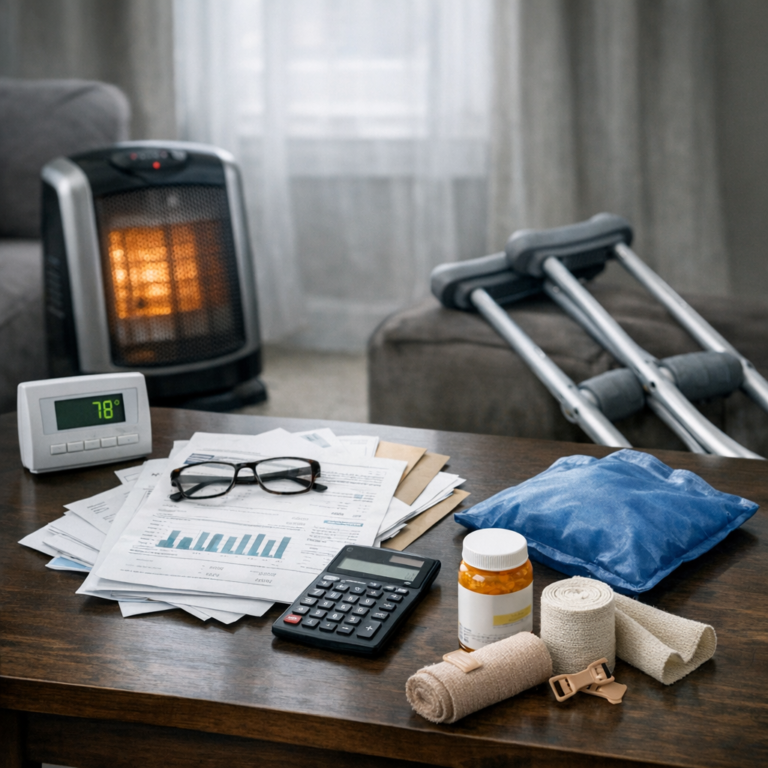
Practical Cost Stress After Serious Injuries
Serious injuries from truck accidents can have profound and lasting impacts, not only on physical health but also on financial stability. The stress that arises from managing the many practical costs—known as “practical cost stress after injury”—is a common but often overlooked consequence. Understanding the nature of these expenses, why they occur, and how they evolve over time can provide insight into the longer-term challenges individuals may face following a traumatic event.
Overview of the Expense Type
Practical expenses are day-to-day costs incurred as a direct or indirect result of injury. These range from immediate hospital bills to ongoing costs related to care, transportation, and necessary modifications to the injured person’s lifestyle or environment. Unlike medical expenses, which tend to relate strictly to treatments or doctor visits, practical costs encompass a broader category of outlays that support basic functioning and adjust to new limitations.
After a severe truck accident, these types of expenses can quickly accumulate. This accumulation creates what is referred to as “practical cost stress injury”—the persistent financial strain resulting from an inability to meet increased outlays with unchanged or reduced income. For many, the shock of injury is soon accompanied by the daunting reality of these ongoing, often unexpected, financial demands.
Why This Expense is Common After Serious Injuries
The nature of truck accident injuries often leads to significant and long-lasting impairments. Recovery time can be extensive, and many individuals are temporarily or permanently unable to work. The resultant loss of income often coincides with new needs for assistive services, adaptive devices, or environmental accommodations. In some cases, family members may also need to make adjustments—such as reducing work hours or taking on caregiving roles—further impacting household finances.
Practical costs tend to persist because:
– Serious injuries may create permanent or semi-permanent limitations.
– Some needs, like transportation or personal assistance, become ongoing.
– Changes in mobility or health may require continual spending on supplies or services.
– Income recovery may be slow or incomplete, leaving fewer resources to address costs.
– Psychological stress may hinder proactivity in managing financial or logistical challenges.
Awareness of the types of expenses and why they are so common following serious injury can help in anticipating the long-term nature of practical cost stress.
Typical Expense Categories
The following bullet list outlines some of the most frequent categories of practical expenses incurred after a serious truck injury:
– Home Modifications: Wheelchair ramps, widened doorways, accessible bathrooms, stairlifts, and other infrastructure changes that accommodate physical limitations.
– Medical Equipment: Crutches, wheelchairs, mobility scooters, braces, prosthetics, pressure relief mattresses, and related maintenance or replacement costs.
– Transportation Costs: Adapted vehicles, rideshare services, taxis, or specialized medical transportation, especially for those unable to drive traditional vehicles.
– Personal Assistance: In-home care aides, nursing care, or help with daily tasks such as bathing, dressing, meal preparation, and cleaning.
– Child or Dependent Care: Additional support for children or dependent adults when the injured person was previously a caregiver.
– Household Services: Lawn care, housekeeping, grocery delivery, and other services previously managed by the injured person.
– Prescription Medications and Consumables: Regular refill costs, wound care supplies, incontinence products, and other health-related consumables not always covered by insurance.
– Lost Wages and Reduced Earning Capacity: Income lost due to inability to work fully or at all, including time off for treatments or rehabilitation.
– Education and Retraining: Costs for new professional certifications, vocational training, or educational resources if returning to a previous occupation is not possible.
– Psychological and Social Support: Counseling, support group fees, or mental health resources to manage the emotional impact of injury.
– Communication and Adaptive Technology: Specialized phones, hearing aids, computer software, or devices that make work or daily life accessible.
Documentation That May Track These Expenses
Keeping thorough records is crucial for tracking practical cost stress injury-related expenses. Common types of documentation include:
– Receipts: For every purchase, big or small, such as home modifications, medical equipment, transportation, and supplies.
– Invoices and Statements: From service providers, medical equipment suppliers, and care agencies.
– Bank and Credit Card Statements: Useful for summarizing monthly outlays and verifying ongoing expenses.
– Payroll Records and Timesheets: Especially relevant if household members reduce work hours or stop working due to caregiving responsibilities.
– Mileage Logs: For travel to and from medical appointments or therapy sessions, particularly when specialized transportation is involved.
– Caregiver Schedules: Documentation of hours worked by paid aides or family members.
– Correspondence with Insurance or Other Payers: Letters, emails, or forms that outline coverage limits, denials, or reimbursement timelines.
– Prescription and Pharmacy Records: Lists of ongoing medication needs, refill schedules, and costs over time.
These records help individuals understand where financial stress is greatest and may be required for insurance filings or financial assessments.
How Expenses Change Over Time
The pattern of practical cost stress after injury is dynamic. Expenses typically evolve in a few distinct ways:
– Acute Stage (Immediately After Injury): Front-loaded costs are high, as immediate needs include emergency care, hospitalization, and the purchase of essential supplies or services. At this point, the full scope of ongoing practical needs may not yet be known.
– Adjustment and Rehabilitation Stage: Expenses shift towards rehabilitation services, frequent medical appointments, and home or vehicle adjustments. Some costs—like lost wages—may become more pronounced as time away from work increases.
– Long-Term/Chronic Stage: Certain costs stabilize or diminish, such as one-time home modifications, but ongoing expenses like home care, consumables, adaptive equipment maintenance, and periodic retraining can continue indefinitely. Some individuals may also experience new needs as their condition evolves.
– Resumption or Change of Routine: As people adjust or new technologies become available, there may be occasional spikes for updating home modifications, getting new equipment, or adopting new care models.
– Changes in Insurance or Benefits: Over time, coverage might change or diminish, shifting more of the cost burden to the individual or family.
The cumulative effect of these changes means that long after the initial injury, practical cost stress may still be present—sometimes even increasing as circumstances evolve.
—
Navigating the practical cost stress after serious injuries is a major, ongoing challenge that extends far beyond direct medical bills. Identifying expense categories, maintaining meticulous documentation, and anticipating how costs change over time may help those affected recognize the complex financial implications of such injuries and better manage the persistent practical cost stress that often results.