What financial challenges follow truck accidents
Why this question is common
Truck accidents are, unfortunately, frequent occurrences on highways and local roads around the world. They often involve significant property damage and can result in severe injuries or even fatalities. Given the size and weight of commercial trucks, even minor collisions can cause major disruptions. After such incidents, those involved—drivers, passengers, business owners, and sometimes even bystanders—regularly find themselves confronted with difficult questions about finances. It’s no surprise, then, that many people search for answers about the financial challenges truck accidents create. The complexities of insurance, costs of vehicle repair or replacement, medical expenses, lost income, and potential long-term financial repercussions make this a pressing and very common concern.
Clear explanation
The aftermath of a truck accident is often stressful, with immediate and long-term financial consequences. These may include direct costs, like medical bills, and indirect costs, such as shifts in employment or the impact on a business. Each party involved—truck drivers, companies, passengers, and sometimes third-party property owners—may be affected in different ways, but shared financial challenges often emerge. Understanding the landscape of these financial issues helps people prepare for or process what comes next after a trucking incident, whether experienced firsthand or by someone close.
Helpful financial context
Multiple tiers of potential costs
Truck accidents frequently trigger several layers of financial responsibility. Here are the most common ones:
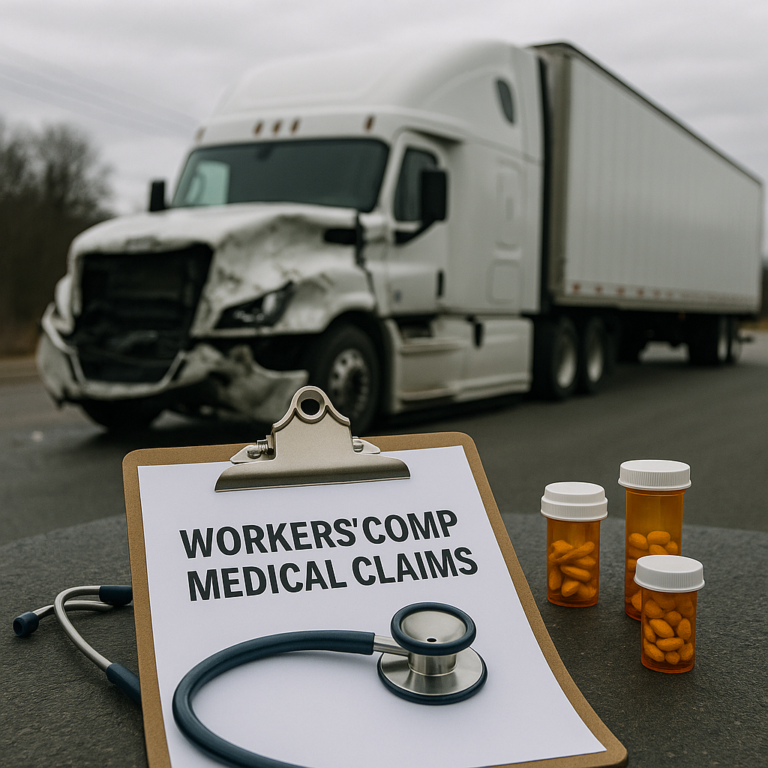
– Property damage: Trucks and other vehicles involved usually require extensive repair or total replacement. The larger the vehicle, the more costly repairs can be.
– Medical expenses: Truck accidents are notorious for causing serious injuries. Medical costs can add up rapidly, including emergency services, hospital stays, rehabilitative care, follow-up visits, and sometimes long-term or lifelong support.
– Lost wages or business interruption: If a victim is unable to work because of injuries, or if a trucking company loses vehicles and drivers, lost income or business disruption might result. For independent truckers, this often means both the loss of a vehicle and the ability to take on new jobs while recovering.
– Insurance complexity: While most commercial truck operators are insured, the nuances of policies (deductibles, caps, exclusions) often mean that not all expenses are covered, or that some claim payouts are delayed pending investigation.
– Towing, storage, rental, and recovery costs: Commercial vehicles can be expensive to tow and store before they’re released by authorities or insurance companies, and the need to rent vehicles for business continuity is not always covered by insurance.
– Legal and administrative costs: Although this article avoids legal advice, it’s worth noting that administrative costs—documents, time spent resolving claims, and potential consultation fees—can build up.
Financial ripple effects
The reach of a truck accident can extend far beyond the parties directly involved. Supply chains can be disrupted, leading to fines or lost contracts, especially for time-sensitive cargo. Even communities can feel the strain if public infrastructure is damaged, causing further delays or economic impact.
Common misunderstandings
Despite the clear financial burdens, several misconceptions persist about the financial challenges truck accidents bring.
– Insurance covers everything: Many people assume that insurance policies will seamlessly handle all expenses. In practice, insurance may only cover certain types of costs up to policy limits, and some losses may not be reimbursed at all. Victims can face significant out-of-pocket expenses.
– Only immediate costs matter: While the initial expenses are often the first concerns, long-term repercussions such as ongoing medical needs, permanent changes in work capacity, or continued business losses can be equally significant but are frequently underestimated.
– Only drivers are affected: It’s easy to overlook that employers, cargo owners, nearby businesses, and sometimes entire communities can also bear indirect financial burdens from a single truck accident.
– Quick resolution is typical: Financial matters after truck accidents often take months or even years to resolve, particularly when insurance, medical care, or company resources are stretched thin.
Related follow-up questions
– How do insurance deductibles and policy limits impact financial outcomes after truck accidents?
– What are some common types of out-of-pocket expenses not typically covered by insurance in truck accidents?
– How do truck accidents potentially affect the finances of small businesses or independent drivers?
– What non-financial effects (such as emotional toll or logistical challenges) typically accompany the financial issues after a truck accident?
—
Understanding the financial challenges truck accidents present can help all parties involved navigate the aftermath more realistically and set expectations for the financial process. The path forward is often complicated and expensive, shaped by the details of the accident and the resources available to those affected.