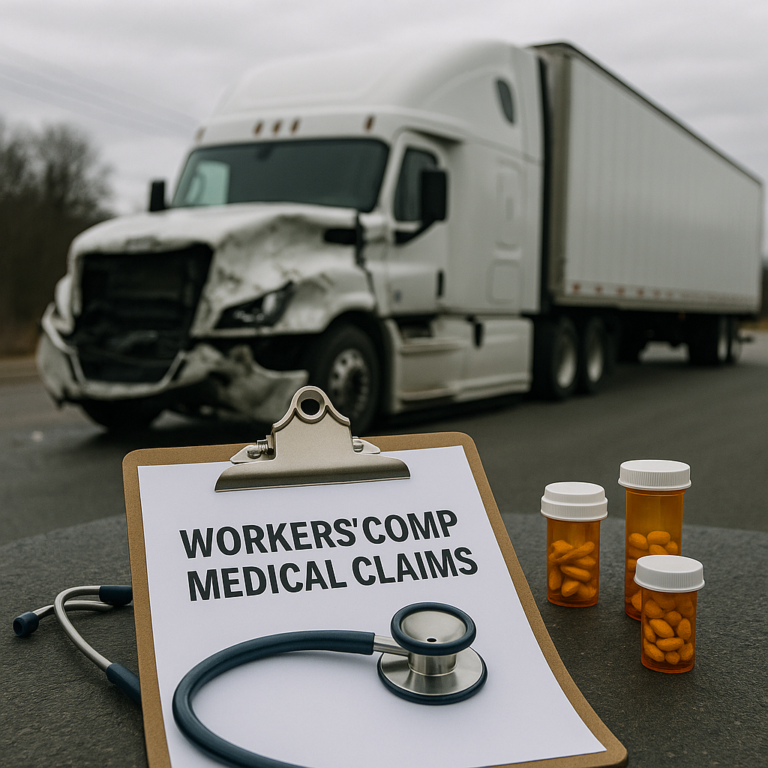
How medical debt accumulates after truck accidents
Why this question is common
Truck accidents are among the most severe incidents that occur on roads, often resulting in serious injuries and complicated recovery processes. Because of the high likelihood of physical trauma, emergency care, and extended medical treatment, questions about medical debt accumulation after truck accidents are frequent. Many people wonder how their financial responsibilities can grow so quickly and whether their standard health insurance or other protections cover enough of their costs.
Several factors contribute to the frequency of this question:
– High medical costs: Truck accidents tend to cause more significant injuries—such as head trauma, spinal injuries, or multiple fractures—leading to higher medical bills.
– Complex insurance scenarios: Victims might engage with various insurance providers, including their own health insurance, the trucking company’s insurer, and sometimes government programs.
– Long-term impact: Recovery can involve extended hospital stays, rehabilitation, and follow-up visits, resulting in bills stretching out over months or years.
Because of these factors, anyone involved in a truck accident faces uncertainty about the total cost of their medical care and how quickly costs can mount.
Clear explanation
How medical debt accumulates after a truck accident
After a truck accident, medical debt accumulation begins almost immediately. The process typically follows several steps:
1. Emergency Care:
– Most truck accident victims require immediate medical attention. Ambulance transport, emergency room care, diagnostic imaging (like X-rays or MRIs), and initial hospitalization all contribute to an initial spike in medical costs.
2. Hospitalization and Surgery:
– Serious injuries often demand surgeries, intensive care, and several days—sometimes weeks—in the hospital. Each procedure, medication, and test during this hospitalization is itemized and billed separately.
3. Rehabilitation and Aftercare:
– Once discharged, patients might need physical therapy, occupational therapy, or other long-term care. These ongoing appointments and treatments add to the cumulative debt over time.
4. Specialist Consultations and Follow-Ups:
– Seeing specialists (orthopedists, neurologists, pain management experts) is common after truck accidents. Follow-up visits, medications, and additional imaging can lead to more bills.
5. Insurance Limitations and Deductibles:
– Although health insurance may cover some costs, many plans have deductibles, co-pays, coverage limits, and provider networks. Out-of-network care or denial of certain claims means some costs shift directly to the patient.
6. Gaps in Coverage:
– Not all providers or procedures are fully covered. Durable medical equipment, home modifications, or non-prescription items might require out-of-pocket payments.
7. Delayed Insurance Payments:
– In legal or insurance disputes, hospitals may bill the patient directly until payment responsibility is determined. This can mean accumulating balances, late fees, or collections activity before resolution.
The main takeaway is that medical debt after a truck accident accumulates from many sources and at multiple points during recovery. It is not a single charge but a series of overlapping expenses that build up as care continues.
Examples of medical debt sources after a truck accident:
– Ambulance transport and paramedic care
– Emergency room or trauma center fees
– Surgical procedures and anesthesia
– Hospital room charges
– Imaging (CT, MRI, X-ray)
– Specialist consultations (orthopedic, neurological, etc.)
– Physical and occupational therapy
– Medications (inpatient and outpatient)
– Laboratory work and diagnostic tests
– Home health care services
Helpful financial context (avoid advice)
Medical debt is a significant issue in the United States, and accidents involving large trucks often result in medical bills that exceed what many families have in savings or what their insurance will readily pay.
Financial context highlights:
– Magnitude of bills: Treatment for serious injuries after a truck accident can easily reach tens or hundreds of thousands of dollars.
– Insurance dynamics: Even those with health insurance may face large bills due to high deductibles, uncovered charges, balance billing, and out-of-network care.
– Billing practices: Hospitals, physicians, and ancillary services commonly bill separately, leading to multiple invoices for a single accident.
– Collections and credit impact: Unpaid medical debts can be sent to collections agencies and may negatively affect credit scores, which can impact financial stability beyond medical expenses.
Medical debt collection procedures and billing transparency also vary between states and providers, complicating the patient’s ability to understand and manage growing obligations.
Common misunderstandings
Several misconceptions can add confusion to the issue of medical debt accumulation after truck accidents:
– All insurance pays everything: Many people assume their health or auto insurance will automatically cover all costs, not realizing the extent of exclusions, caps, and out-of-network limitations.
– Legal outcomes arrive before bills are due: Some individuals believe any future legal settlements (from the at-fault driver or company) will come before payment is needed; however, medical providers often expect payment upfront or send bills to collections if not resolved quickly.
– Only initial treatment matters: The cost of medical care doesn’t stop with the emergency treatment. Long-term or hidden injuries and follow-up care often continue to add to the total debt.
– Single bill covers everything: It’s common to think all expenses are consolidated in a single hospital bill, whereas, in reality, multiple providers and facilities will bill independently for their part of care.
Related follow-up questions
– Are there common sources of surprise medical bills after a truck accident?
– How do hospitals and healthcare providers handle unpaid bills from accident victims?
– What is the difference between health insurance, automobile insurance, and other accident-related coverages in paying medical bills?
– How does the billing process work when multiple insurance companies are involved?
—
Summary:
Medical debt accumulation after truck accidents is a complex process driven by the severity of injuries, the scope of medical services, insurance coverage limits, and the intricacies of medical billing. Understanding how this debt builds helps clarify the financial challenges accident victims face, highlighting the importance of clear information and communication within the medical and insurance systems.