Colorado Truck Accident Laws and Regulations
Introduction to Truck Accident Laws in Colorado
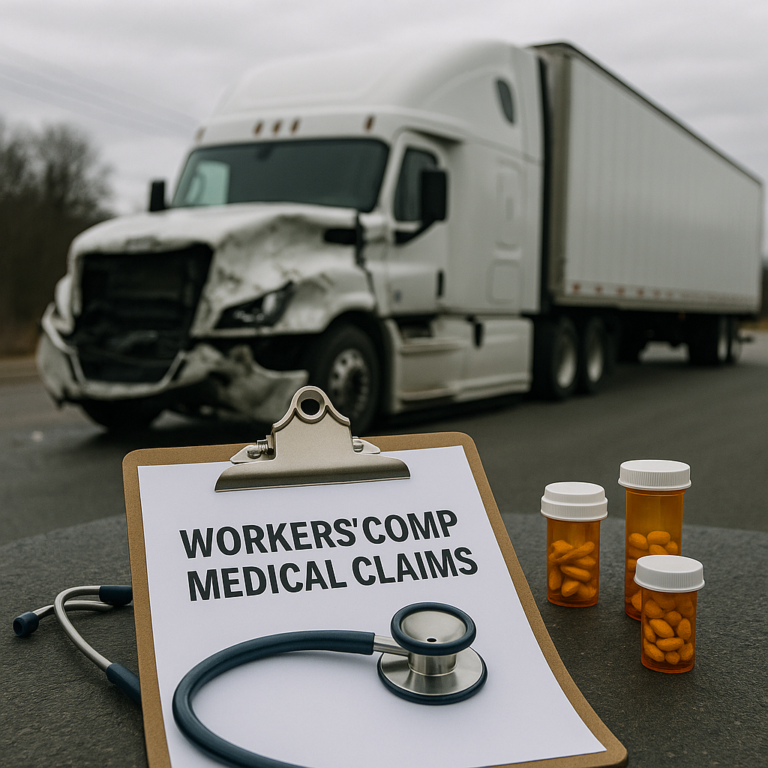
Colorado has developed specific laws and regulations to address the unique complexities of truck accidents on its roadways. Given the size and commercial nature of many trucks, these incidents often involve more severe injuries, higher property damage, and additional parties compared to regular car accidents. Understanding Colorado truck accident laws helps individuals and businesses navigate claims and responsibilities after an incident.
Key Laws or Legal Principles That Apply in Colorado
Truck accidents in Colorado are governed by a combination of state traffic statutes and federal trucking regulations. Colorado law sets standards for vehicle operation, driver licensing, and insurance, while federal rules—administered by the Federal Motor Carrier Safety Administration (FMCSA)—regulate hours of service, vehicle maintenance, and loading requirements for commercial trucks.
How Fault, Liability, or Claims Are Handled in Colorado
Colorado is an “at-fault” state. This means that after a truck accident, the party found legally responsible (at fault) for causing the collision is generally held liable for resulting damages. The state follows a comparative negligence system, meaning fault can be shared among multiple parties. If a person is found partially responsible, their compensation may be reduced proportionately.
Important Deadlines or Legal Requirements to Be Aware Of
The statute of limitations for personal injury claims—including those stemming from truck accidents—is typically three years from the date of the accident in Colorado. Filing a lawsuit after this period can result in the claim being dismissed. Additionally, truck drivers, owners, and employers are required to comply with both state and federal insurance mandates to operate legally.
How Colorado’s Laws May Differ from Others
Compared to some neighboring states, Colorado’s use of modified comparative negligence can impact compensation if multiple parties share blame. Not all states recognize this system. Moreover, the three-year statute of limitations is specific to Colorado, as some states require injury claims related to motor vehicle accidents to be filed within two years or less.
How Local Regulations Can Influence Accident Outcomes
Municipal and county regulations—such as restrictions on certain truck routes, local speed limits, or vehicle weight limits—can play a role in determining liability or violations in an accident claim. Non-compliance with local ordinances can affect the legal assessment of an incident.
General Awareness of Navigating Truck Accident Situations in Colorado
Navigating the aftermath of a truck accident in Colorado involves several steps: identifying responsible parties, understanding insurance coverage, and recognizing local rules or timelines. Documentation, timely claims, and attention to both state and municipal regulations are all essential.
Closing Informational Summary
Colorado truck accident laws reflect both state policies and federal standards, with unique statutes and timelines for filing claims. Awareness of these rules—especially how comparative negligence and local ordinances come into play—can help individuals and businesses better understand their rights and obligations after a truck-related incident. Those involved should stay informed about local requirements and procedural deadlines specific to Colorado.