Minnesota Truck Accident Laws Overview
Introduction to Truck Accident Laws in Minnesota
Minnesota truck accident laws govern how accidents involving commercial trucks are handled within the state. These laws set requirements for drivers, outline liability principles, and define the process for handling claims. Understanding these rules is important for anyone involved in a truck accident in Minnesota, as the laws can differ from those in neighboring states.
Key Laws or Legal Principles That Apply in Minnesota
Minnesota regulates trucking through both state statutes and federal regulations. The state follows specific rules for commercial vehicle operation, insurance requirements, and reporting procedures following an accident.
How Fault, Liability, or Claims Are Handled in Minnesota
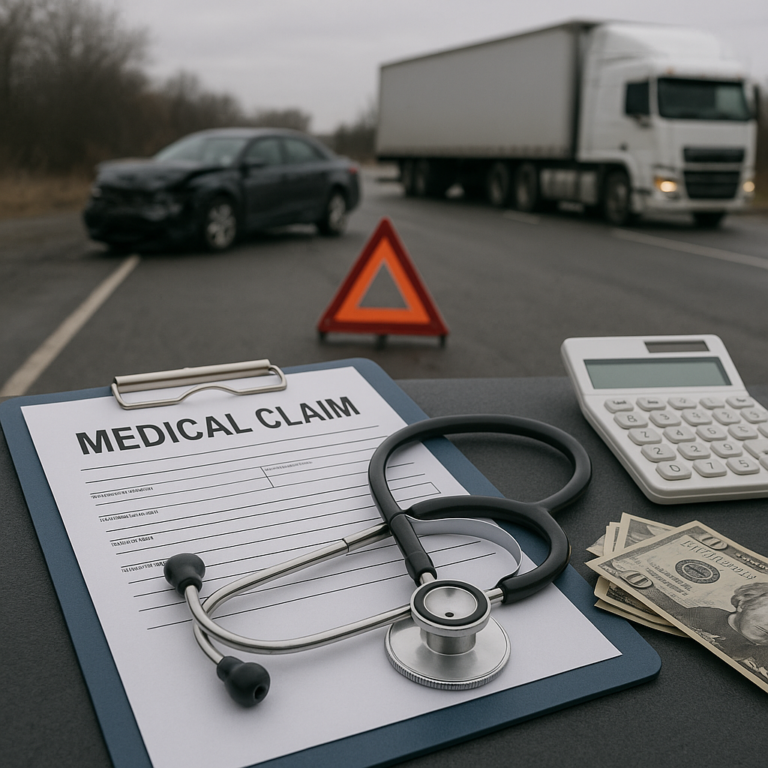
Minnesota is considered a “no-fault” insurance state. After most motor vehicle accidents, including those involving trucks, individuals typically turn to their own insurance (Personal Injury Protection, or PIP) for initial injury-related expenses. However, exceptions apply in more severe cases. If injuries or damages exceed certain state-set thresholds, those involved might be able to file a claim or lawsuit against the at-fault party.
Establishing fault for a truck accident may involve investigating violations of regulations, driver negligence, or other contributing factors. Multiple parties—such as the truck driver, trucking company, or manufacturers—might share liability, depending on the circumstances.
Important Deadlines or Legal Requirements to Be Aware Of
Minnesota law imposes specific time limits (statutes of limitations) for filing claims related to truck accidents. Generally, individuals have six years from the date of the accident to file a personal injury lawsuit. Property damage claims may have different deadlines. Immediate reporting to law enforcement is required for accidents resulting in injury, death, or significant property damage.
How Minnesota Laws May Differ From Others
Minnesota’s no-fault system is a key difference compared to at-fault states, where injured parties typically claim directly from the at-fault driver’s insurer. The thresholds for stepping outside the no-fault system, such as injury severity or medical costs, also set Minnesota apart. Additionally, the state’s comparative fault rule allows injured parties to recover compensation even if partially at fault, provided their fault is not greater than the other party’s.
How Local Regulations Can Influence Accident Outcomes
Local Minnesota regulations may impose additional requirements or restrictions on truck routes, weight limits, or city-specific reporting rules. These local factors can influence how truck accidents are analyzed and who may be held responsible.
General Awareness of Navigating Truck Accident Situations Within Minnesota
Individuals involved in a truck accident in Minnesota should be aware of the state’s no-fault framework, reporting requirements, and the deadlines for legal action. Gathering information at the scene, such as contact and insurance details, and reporting the crash according to Minnesota law, are essential steps.
Closing Informational Summary
Minnesota truck accident laws blend state-specific no-fault rules with unique liability and reporting requirements. Knowing these key points can help anyone better understand what to expect following a truck accident in Minnesota and appreciate how local laws differ from those in other states. Always consider consulting a professional to navigate Minnesota’s truck accident regulations and procedures effectively.