Understanding Bill Payment Assistance Costs After Serious Truck Injuries
Overview of the Expense Type
Serious injuries resulting from truck accidents can have profound, long-lasting impacts on individuals and their families. In addition to the immediate health consequences, there are numerous financial challenges that may arise during recovery. One commonly overlooked but significantly impactful financial issue is bill payment assistance costs.
Bill payment assistance costs refer to the funds or resources needed to pay for essential living expenses when an injured individual is unable to meet them due to lost income, increased medical expenses, or physical incapacitation. This form of assistance can come from various sources such as family, friends, charitable organizations, or social service programs, with the overarching goal of maintaining financial stability and continuity of basic services during the recovery period.
Why This Expense Is Common After Serious Injuries
After a serious truck injury, many people face sudden and unexpected disruptions to their financial situation. Recovery from such injuries often requires prolonged medical treatment, rehabilitation, and time away from work. In many cases, individuals may not have enough paid leave or savings to cover ongoing expenses. Furthermore, if the injured party was a primary or sole wage earner, the loss of income can be financially devastating.
Additional challenges may arise if the injury requires modifications to living arrangements or new equipment, such as mobility aids. Moreover, insurance benefits (if available) may not provide immediate relief, and even when they do, coverage gaps or delays can lead to overdue bills. These combined factors often necessitate seeking out assistance to handle routine or essential bill payments.
Typical Expense Categories
Bill payment assistance costs can cover a broad range of expenses, typically falling into the following categories:
Essential Household Utilities
– Electricity and Gas: Keeping the lights and heating or cooling on is vital, especially if injury recovery depends on medical equipment or a comfortable environment.
– Water and Sewer: Ongoing payment for water and sanitation services is critical for daily living and personal hygiene.
Rent or Mortgage Payments
– Housing Costs: Continuity of housing is essential. Falling behind on rent or mortgage can lead to housing insecurity or, in extreme cases, eviction or foreclosure.
Communication Services
– Mobile Phone and Internet: Maintaining communication lines is important for managing health appointments, staying in touch with family and caretakers, and accessing telehealth services or support resources.
Medical and Health-Related Bills
– Prescription Medications: Not always fully covered by insurance, ongoing medications can be a substantial recurring expense.
– Medical Equipment Rentals/Purchases: Expenses may include devices needed for daily living or recovery.
Transportation
– Vehicle Payments: If a car is necessary for medical appointments or daily living, payment assistance might prevent repossession.
– Public Transport Costs: For those who rely on buses, taxis, or rideshare services for appointments or everyday activities.
Insurance Premiums
– Health, Auto, and Home Insurance: Staying current on insurance premiums is crucial for uninterrupted coverage and ongoing protection.
Grocery and Essential Supplies
– Food: Nutritional needs may change during recovery, sometimes requiring more frequent grocery purchases or specialized foods.
– Household Supplies: Everyday items such as toiletries, cleaning products, or personal care supplies.
Child or Dependent Care
– Daycare or Elder Care: If the injured party has caregiving responsibilities, they may need assistance covering these expenses during recovery.
Miscellaneous Recurring Costs
– Credit Payments: Minimum payments on credit cards or personal loans to avoid penalties and maintain credit ratings.
– Subscription Services: Bills for essential services, such as cloud storage for health records or telehealth platforms.
Documentation That May Track These Expenses
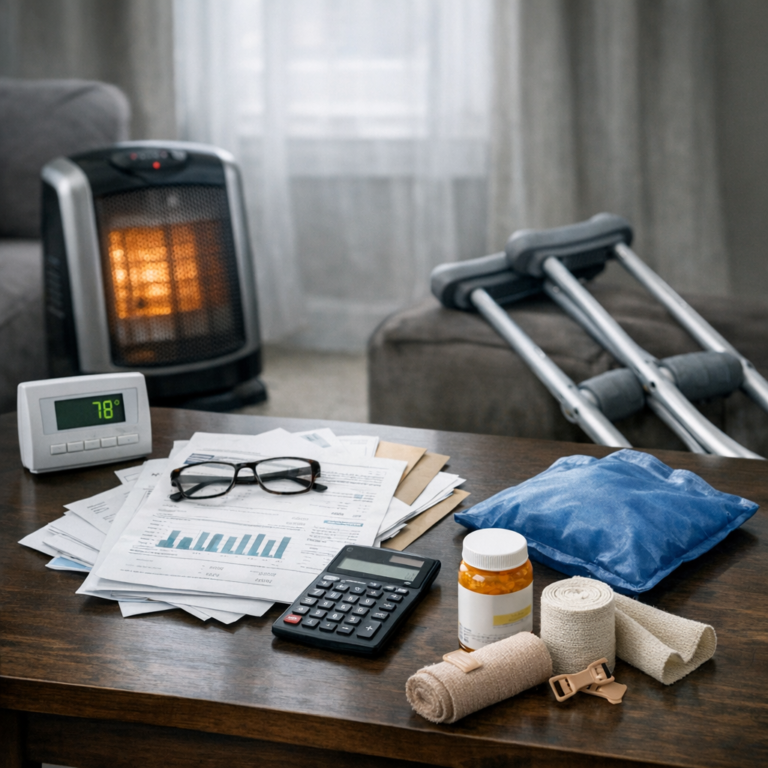
Proper documentation is crucial for managing bill payment assistance costs, ensuring transparency, and possibly qualifying for future aid or reimbursement programs. The following types of documentation commonly help track these expenses:
Bills and Statements
– Utility Bills: Monthly statements from service providers (electric, water, gas).
– Housing Invoices: Rent receipts, mortgage statements, or lease agreements.
– Phone and Internet Bills: Monthly or quarterly statements.
Medical and Insurance Records
– Prescription Receipts: Lists of filled prescriptions, including medication costs.
– Medical Equipment Invoices: Receipts for purchased or rented equipment.
– Insurance Premium Notices: Proof of payment or coverage statements.
Banking and Financial Statements
– Bank Statements: Evidence of payments made, direct debits, or overdraft arrangements.
– Loan Statements: Documentation for loan repayments, including any payment deferrals.
Proof of Income Loss
– Pay Stubs or Employer Letters: Documentation showing reduced hours, lost wages, or employment status changes due to injury.
– Disability or Unemployment benefit Statements: Evidence of approved payments or pending claims.
Assistance and Grant Documentation
– Charity or Organization Letters: Confirmation of assistance received, including grant amounts and payment dates.
– Government Assistance Records: Documentation of public assistance payments or other support provided.
How Expenses Change Over Time
The nature and scale of bill payment assistance costs often evolve as the recovery process progresses. During the initial weeks and months after a truck-related injury, costs may spike due to a sudden loss of income, high medical expenses, and the need to adapt to new living conditions. Utility and rent payments may become harder to manage, and additional costs like medical equipment or caregiver support may emerge.
As time passes and the injured person either returns to work, receives disability benefits, or secures other forms of income, the need for bill payment assistance may gradually decrease. Conversely, if the individual faces prolonged or permanent disability, some expenses may become permanent fixtures in the monthly budget, necessitating long-term assistance or new ways to manage household finances. External factors, such as insurance settlements or changes in household income, also influence how expenses fluctuate over time.
In summary, bill payment assistance costs are a vital consideration for individuals and households affected by serious truck injuries. Tracking these expenses and understanding their progression is an important part of managing the post-injury financial landscape. An awareness of typical expense categories and effective documentation can help provide clarity and stability during a challenging recovery period.