California Truck Accident Laws Explained
Introduction to Truck Accident Laws in California
California truck accident laws are designed to address the unique challenges and risks associated with large commercial vehicles on the state’s busy roads. Understanding these regulations can help individuals involved in truck accidents navigate the legal process more effectively.
Key Laws or Legal Principles That Apply in California
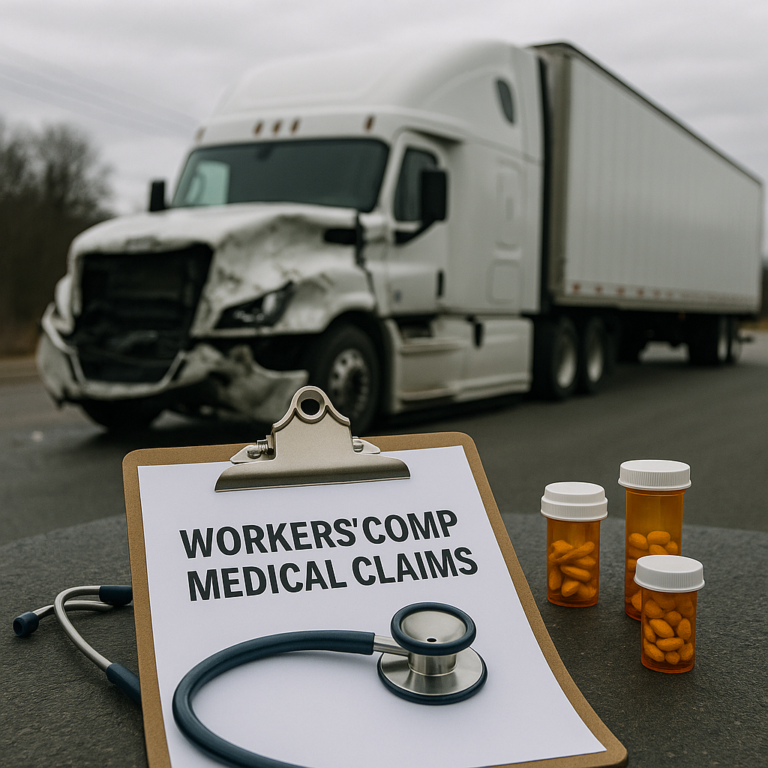
Truck accidents in California are governed by both state and federal safety standards. In addition to California’s own vehicle code, truck drivers and trucking companies must also comply with regulations set by the Federal Motor Carrier Safety Administration (FMCSA). Key legal considerations include trucking company liability, insurance requirements, and safety compliance.
How Fault, Liability, or Claims Are Handled in California
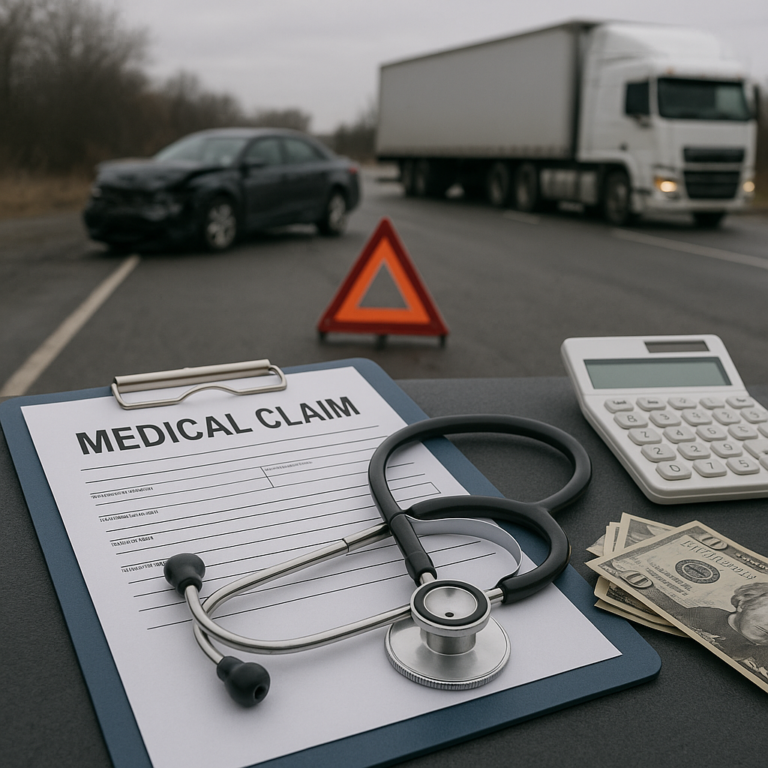
California follows a “comparative negligence” system. This means that after a truck accident, each party’s level of fault is determined, and damages are awarded accordingly. It is possible for more than one party to share responsibility, including the truck driver, trucking company, vehicle manufacturer, or other drivers involved.
Important Deadlines or Legal Requirements to Be Aware Of
California law imposes a statute of limitations on when claims can be filed. In most cases, individuals have two years from the date of the accident to file a personal injury lawsuit. For property damage, the timeframe is generally three years. If a government agency is involved, special, shorter deadlines may apply for claims.
How California’s Laws May Differ from Others
California’s comparative negligence rules are somewhat distinct from states that have “contributory negligence” or “no-fault” systems. In some states, an injured party cannot recover damages if found partially at fault, but in California, compensation is reduced based on the individual’s percentage of responsibility.
How Local Regulations Can Influence Accident Outcomes
California localities may have additional rules affecting truck routes, weight limits, and operating hours, particularly in urban areas or near residential zones. These rules can sometimes play a significant role in determining liability or whether a trucking operation was in compliance at the time of an accident.
General Awareness of Navigating Truck Accident Situations Within California
Anyone involved in a truck accident in California should be aware of what information to collect at the scene (e.g., driver details, witness contact, photos) and the importance of documenting all injuries and damages. State-specific reporting requirements often necessitate notifying local law enforcement and, in cases involving serious injury or fatality, the California Highway Patrol.
Closing Informational Summary
While California truck accident laws provide a clear framework for determining responsibility and pursuing claims, there are specific deadlines, local regulations, and legal principles that set the state apart from others. Understanding these unique aspects can help individuals know what to expect after a truck accident in California. For detailed concerns or guidance, reviewing California statutes or consulting with legal professionals familiar with truck accident laws is recommended.