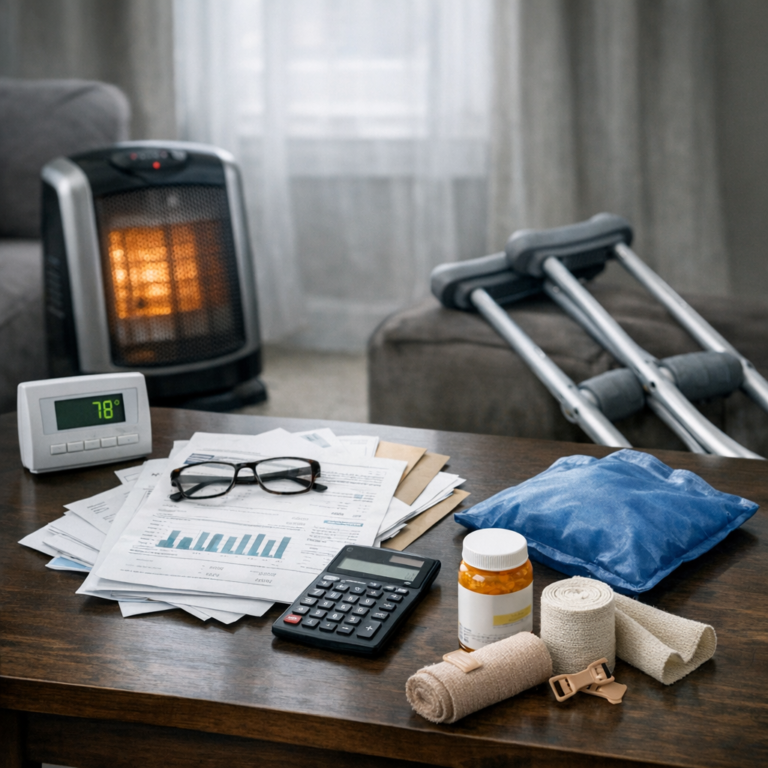
Care Continuity Expenses Over Years
Long-term care often becomes necessary as people age or face chronic health challenges. Beyond medical treatments, ongoing support with daily living activities, medication management, and specialized supervision may all play a role in assuring quality of life. Understanding the nature of “care continuity expenses” over the years is key to anticipating the financial impact of extended needs. This article explores the complexities of long-term costs related to continuous care, reasons why future expenses can be hard to estimate, and the different types of costs families encounter.
—
Overview of Long-Term Costs
Care continuity expenses refer to recurring and evolving costs associated with providing consistent, quality assistance and supervision to individuals who need support over extended periods. These expenses can arise from a variety of sources, including home care services, assisted living facilities, nursing homes, or even informal care arrangements.
Unlike one-time healthcare events, long-term care requires persistent resources. The period over which these costs accrue can span several years or even decades, depending on factors such as individual health status, mobility, cognitive needs, and natural progression of aging or illness. Because care needs may change, the nature and intensity of required support can fluctuate, thus affecting cost variability.
A major consideration is that while some care expenses remain relatively predictable—such as fixed monthly facility fees—others can change significantly as care demands increase or decrease. These may include the escalation of services following medical incidents, or reduced requirements when an individual’s condition stabilizes.
—
Why Future Expenses Can Be Hard to Estimate
Estimating future care continuity expenses is inherently challenging due to the complex and unpredictable nature of health and personal circumstances. Several factors contribute to this difficulty:
– Health Fluctuations: Health conditions may progress organically, stabilize unexpectedly, or worsen suddenly due to acute events.
– Changing Care Environments: Transitioning between settings, such as from home care to an assisted living community or a memory care unit, changes cost structures.
– Market Dynamics: The price of services can be influenced by geographical location, local wages, inflation, and advancements in technology.
– Policy and Coverage Changes: Availability and terms of insurance, government benefits, and other coverage plans may evolve in response to regulatory shifts.
Additionally, estimating future expenses requires forecasting both duration and type of care. Longevity adds an extra layer of uncertainty to the total financial picture as individuals may require care for variable lengths of time.
—
Common Future Cost Types
“Care continuity expenses” can be grouped into several categories, many of which may overlap or become relevant at different stages:
– Personal Care Assistance (e.g., help with bathing, dressing, mobility, eating)
– Home Health Services (medical care provided in the home by health professionals)
– Residential Facility Fees (recurring payments for assisted living, nursing homes, or memory care communities)
– Ongoing Medication Management
– Therapy and Rehabilitation Sessions (physical, occupational, or speech therapies)
– Respite Care (temporary relief for primary caregivers)
– Transportation Services (to and from medical appointments or social activities)
– Special Equipment and Home Modifications (wheelchairs, medical alert systems, ramps, grab bars)
– Companion Services (socialization, safety supervision, light housekeeping)
– Day Programs and Activity Fees
– Nutritional Services (meal delivery, specialized diets)
– Administrative Costs (coordination, case management)
These expenses may be incurred regularly or as needed, depending on the individual’s evolving requirements and living situation.
—
What Factors Influence Future Costs
Several intersecting influences shape the trajectory and magnitude of care continuity expenses over time:
Level of Care Required
The intensity and complexity of assistance needed—ranging from minimal supervision to round-the-clock medical attention—heavily dictate which costs become relevant. Higher needs often bring higher associated expenses as professional qualifications, staff-to-patient ratios, and specialized equipment requirements increase.
Care Setting
Whether care occurs at home, in a community-based center, or within a residential facility will impact the balance between direct service payments and supplementary expenditures (e.g., transportation or facility extras).
Geographic Location
Costs vary significantly by region due to differences in local economies, regulations, and access to care resources. Urban areas may offer more options but at typically higher price points than rural locations.
Duration of Care Needs
The length of time a person needs support is crucial. Extended periods of stable health require sustained resources, while sudden changes—such as a rapid deterioration—can result in spikes in expense or shifts to more intensive care settings.
Individual Preferences
Personal choices concerning comfort, privacy, or type of amenities can influence both the nature and amount of expenses incurred for care continuity.
Family and Informal Support
Availability of unpaid or informal caregivers, such as family or friends, can offset some costs, but may also introduce new needs, such as respite care.
Medical and Technological Advances
Innovations in care delivery methods, medications, or assistive devices may affect not just quality but cost, sometimes reducing and other times increasing total expenditures over time.
—
Examples of Recurring vs One-Time Costs
Distinguishing between recurring expenses and one-time costs is essential to understanding total care continuity expenses over years.
Recurring Costs:
– Monthly payments to care facilities (assisted living, nursing homes)
– Regular home health aide visits
– Ongoing therapy appointments
– Prescription refills and medication management
– Routine transportation services
– Meal delivery subscriptions
One-Time (or Intermittent) Costs:
– Installing wheelchair ramps or adaptive equipment
– Initial move-in fees for residential settings
– Purchasing mobility aids (walkers, scooters)
– Single-session specialist assessments
– Major home renovations for safety
The mix and frequency of these costs often change in response to evolving health status or living arrangements.
—
Conclusion
Navigating care continuity expenses over years involves ongoing attention to a wide range of cost factors that can shift with changing health conditions, personal situations, and the broader market environment. Recognizing the diverse categories and influence factors involved helps in understanding the complexity and unpredictability of long-term care costs. This dynamic landscape underscores the importance of education and awareness when exploring the full financial impact of sustained care needs.