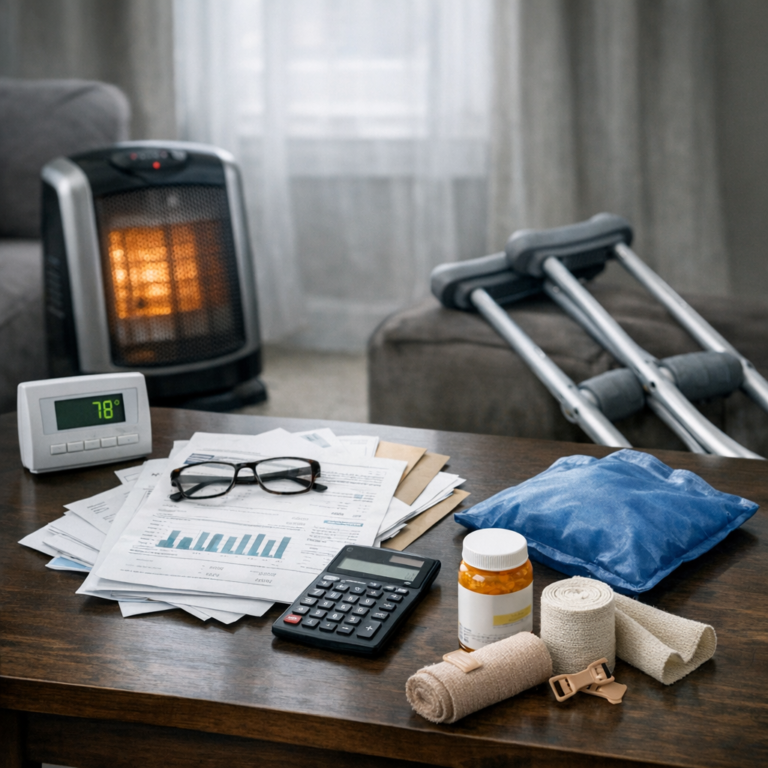
Care Expense Documentation Over Time
Understanding and documenting care expenses is an essential component of planning for long-term care needs. With costs often spanning years or decades, it is important to recognize the different types of future expenses and consider how they may change over time. This article explores how long-term care costs can be tracked and highlights important considerations when anticipating and documenting these expenses.
Overview of Long-Term Costs
Long-term care refers to a wide range of services designed to support individuals who have disabilities, chronic illnesses, or limitations in their ability to perform daily activities. These services can be provided in various settings, such as nursing homes, assisted living facilities, or at home.
Long-term care costs are diverse and often ongoing, resulting in considerable expense over an extended period. Many families and individuals track these expenditures through detailed care expense documentation to better understand and manage their financial impact. Care expense documentation typically includes records of medical bills, invoices for support services, receipts for equipment, and reports on routine living expenses directly related to care.
Documenting these expenses over time provides valuable insights into spending patterns and helps identify predictable and unexpected changes in costs. Keeping thorough records enables individuals to review care needs and make more informed choices about future arrangements.
Over the years, several key trends emerge in long-term care spending:
– Expenses can increase as care needs become more complex.
– Some costs are regular and predictable, while others are occasional or tied to specific events.
– The setting and duration of care significantly affect overall expenses.
By understanding how costs fluctuate over time, individuals can maintain more comprehensive care expense documentation and prepare for changes as circumstances evolve.
Why Future Expenses Can Be Hard to Estimate
Projecting future long-term care expenses can be challenging due to many uncertainties. Care needs can change significantly over time, influenced by health status, personal preferences, and available resources. Consequently, even the most detailed care expense documentation may not fully predict future spending.
There are several reasons future long-term care expenses are difficult to anticipate:
– Changing Healthcare Needs: Individuals may require more intensive care as medical conditions progress, leading to new or increased costs.
– Variation in Service Costs: Prices for care services, medications, and equipment often rise due to inflation, labor shortages, or changes in healthcare regulations.
– Unpredictability of Events: Sudden health events, such as accidents or acute illnesses, can create unplanned expenses.
– Evolving Support Options: Innovations in medical technology or changes in available care services may introduce new cost considerations.
– Geographic Differences: Costs for equivalent care services can differ dramatically by region.
These uncertainties illustrate why maintaining up-to-date care expense documentation is important. Detailed records can help track known patterns and provide a clearer picture if circumstances—and related expenses—shift over time.
Common Future Cost Types
Anticipating future long-term care expenses involves recognizing common expense categories that individuals are likely to encounter. When documenting care expenses, it is helpful to maintain organized records in the following categories:
– Personal Care Services: Assistance with activities of daily living such as bathing, dressing, eating, and mobility.
– Home Health Care: Skilled nursing services, physical therapy, or other medical care provided in the home.
– Facility-Based Care: Expenses for assisted living, nursing homes, or memory care units.
– Medical Supplies and Equipment: Items like wheelchairs, oxygen, hospital beds, and daily use supplies.
– Prescription Medications: Ongoing costs for pharmaceuticals required to manage health conditions.
– Transportation: Costs related to travel to medical appointments or participation in community activities.
– Meal Services: Prepared meal delivery or meal planning services.
– Home Modifications: Adaptations to living spaces to improve accessibility and safety (such as ramps or handrails).
– Respite Care: Short-term care services to provide relief to primary caregivers.
– Therapies and Rehabilitation: Occupational, speech, or physical therapy sessions.
– Supervision and Companionship: Non-medical assistance to ensure safety or provide social interaction.
Examples of Recurring vs One-Time Costs
Understanding the difference between recurring and one-time care expenses helps in developing comprehensive care expense documentation:
Recurring Costs:
– Monthly charges for home health aide visits
– Regular prescription refills
– Weekly meal service fees
– Routine transportation to therapy appointments
One-Time Costs:
– Purchase of durable medical equipment (e.g., hospital bed)
– Major home accessibility renovations
– Initial move-in fees for assisted living
– Single payment for legal documents (as they relate to care planning, such as durable power of attorney)
Identifying and separating these categories within care expense documentation can clarify ongoing financial commitments versus one-off expenditures.
What Factors Influence Future Costs
Numerous factors influence how long-term care expenses develop and change over time. By acknowledging these variables, individuals can create more accurate and thorough care expense documentation for future reference.
Key factors affecting future costs include:
– Health Status Progression: As physical or cognitive conditions evolve, care needs and associated costs may increase.
– Length of Care: The duration for which services are needed profoundly affects total expenditures.
– Type of Care Setting: Different environments (at-home care, assisted living, or nursing facilities) have distinct cost structures.
– Geographic Location: Local cost of living and regional price differences influence care expenses.
– Level of Support Required: Higher levels of medical care or assistance often result in greater costs.
– Availability of Informal Caregivers: Family members or friends who provide care can reduce or delay certain expenses.
– Market Changes and Inflation: The cost of services and goods may rise over time independently of an individual’s needs.
– Policy and Regulatory Changes: Changes in healthcare laws or insurance coverage may alter which expenses are covered or increased out-of-pocket costs.
Each of these variables may be tracked within care expense documentation to explain changes or sudden increases in expenses over different periods.
Examples of Recurring vs One-Time Costs
When organizing care expense documentation, it is helpful to distinguish between expenses that recur regularly and those that occur only once.
Recurring Costs:
– Ongoing personal care service fees
– Weekly or monthly therapy appointments
– Continuous medication management services
– Daily meal service or delivery fees
One-Time Costs:
– Installation of home safety features (e.g., grab bars, ramps)
– Acquisition of a medical device (e.g., wheelchair)
– Initial consultation for care planning services
– Enrollment fees for residential care facilities
Understanding which expenses are recurring and which are one-time can make it easier to analyze care expense documentation and identify predictable spending patterns versus extraordinary costs.
Conclusion
Long-term care expenses encompass a wide range of regular and unexpected costs that evolve over time. Thorough care expense documentation helps individuals and families track, understand, and anticipate the financial impact of care needs. By recognizing the factors that influence future expenses, keeping detailed records, and differentiating between recurring and one-time obligations, families can observe trends and respond to changes with greater clarity. Although predicting future costs with certainty is difficult, detailed expense documentation offers a practical method for managing the financial realities of extended care.