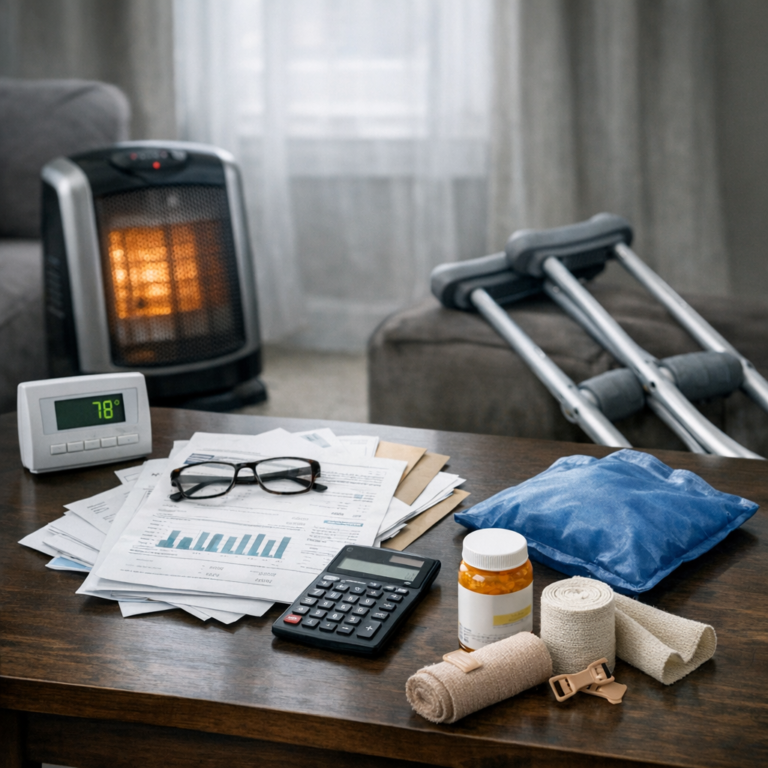
Daily Expense Tracking After Truck Accidents
Overview of the Expense Type
After a serious truck accident, life can change dramatically, introducing a range of new financial responsibilities. For many individuals, these changes include various costs associated with treatment, recovery, and the adaptation of their lifestyle to accommodate temporary or long-lasting injuries. Understanding and managing these daily expenses is crucial, not only for maintaining financial stability but also for ensuring all needs are met during the recovery period.
Daily expense tracking injury is the practice of recording and monitoring all outlays associated with life after a truck accident. This systematic approach allows individuals to understand their spending patterns, assess the true cost of ongoing injuries, and make informed decisions regarding both health care and personal budgeting. By keeping an accurate record, individuals can more easily adapt to their changing financial landscape and navigate the challenges that come with recovery.
Why This Expense Is Common After Serious Injuries
Serious injuries from truck accidents can lead to substantial changes in a person’s daily routine and financial life. Medical needs may increase dramatically, requiring both planned and unexpected expenditures. Additionally, mobility limitations and time away from work often lead to additional out-of-pocket costs that are not always anticipated.
After a truck accident injury, many face the dual challenge of increased expenses and reduced income. Medical appointments become more frequent, daily tasks might require professional or outside help, and even regular living costs can rise as individuals adjust to new limitations or needs. In this context, tracking expenses daily becomes not just useful but necessary, providing insight into how injury has altered both routine and budget.
Typical Expense Categories
Following a serious truck accident, expenses can fall into several key categories:
– Medical Costs:
– Co-pays for doctor’s visits and medical specialists
– Prescription and over-the-counter medications
– Physical therapy and rehabilitation services
– Home health care or nursing assistance
– Medical equipment (crutches, wheelchairs, braces)
– Transportation to medical appointments
– Personal Care and Assistance:
– In-home caregiving services for tasks like bathing, dressing, or meal preparation
– Childcare for dependents if the injured person is the primary caregiver
– Housekeeping or cleaning services
– Mobility-Related Expenses:
– Taxi, ride-sharing, or paratransit fares if unable to drive
– Temporary vehicle rental or adaptation costs
– Parking fees at medical facilities for frequent appointments
– Living Adjustments:
– Home modifications (ramps, grab bars, widened doorways)
– Temporary accommodation closer to treatment centers
– Meal delivery or special dietary needs
– Lost Income or Earning Capacity:
– Reduction in wages due to missed workdays
– Costs of job retraining or education if unable to return to previous employment
– Incidental Expenses:
– Increased utility bills due to being at home more often
– Out-of-pocket purchases related to comfort or recovery (special clothing, pillows, etc.)
These categories highlight that daily expense tracking injury goes far beyond just medical bills. It encompasses every part of life touched by the aftermath of a serious truck accident.
Documentation That May Track These Expenses
Accurate and comprehensive documentation is vital for effective expense tracking. Several types of records and systems can help organize daily spending:
– Receipts and Invoices: For all purchases, services, and medical payments
– Bank and Credit Card Statements: To verify and cross-reference transactions
– Expense Journals or Logs: Notebooks or digital spreadsheets detailing daily expenses
– Mobile Apps and Budgeting Tools: Applications designed for expense tracking and categorization
– Appointment Calendars: To match medical and caregiving costs with specific dates of service
– Mileage Logs: To track transportation costs to and from appointments
By regularly updating these records, individuals can have a clearer financial picture and avoid missing or duplicating any important expenses.
How Expenses Change Over Time
The financial impact of a truck accident injury often evolves as the recovery progresses. In the immediate aftermath, medical expenses tend to be the most significant, with frequent hospital and specialist visits, as well as initial investments in equipment and medications. Over time, some costs may decrease as wounds heal or treatments conclude. However, other expenses can persist, especially if the injury results in long-term or permanent disability.
During the early stages, expenses may be higher due to:
– Emergency care and hospitalization
– Intensive treatments, diagnostics, and surgeries
– Initiation of home care and short-term adaptations
In the weeks and months that follow, costs may shift towards:
– Ongoing therapy and rehabilitation
– Sustained use of prescription medications
– Extended caregiving or household help
Ultimately, for those with lasting impairments, certain expenses might become permanent and require adjustment to long-term financial planning. This could include modifications to living spaces, recurring medical supplies, or continuous home care services.
Additionally, as recovery continues, some individuals find ways to adapt and regain independence, which may reduce certain costs, such as transportation or caregiving. Others might need to reallocate spending as needs and abilities change.
Conclusion
Daily expense tracking injury following a truck accident is an essential practice for understanding and managing the many details of post-injury life. By carefully monitoring shifts in spending and maintaining organized documentation across a range of expense categories, individuals can effectively navigate the evolving financial landscape after a serious injury. While the specifics of these expenses vary widely, careful attention to detail and regular tracking can make the transition from injury to recovery more manageable.