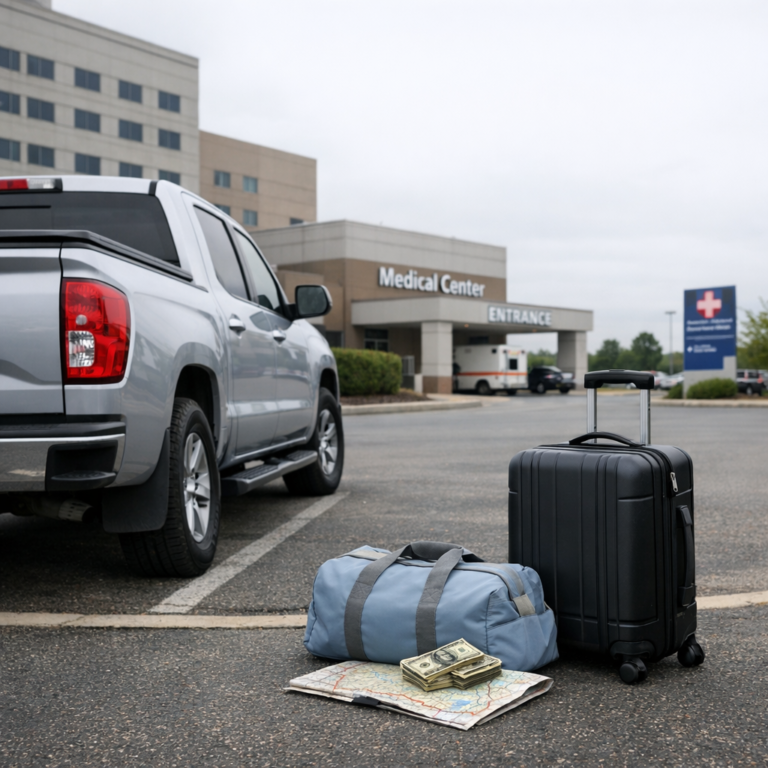
Delayed Hospital Bills After Truck Crashes
Truck accidents often result in severe injuries due to the size and weight of commercial vehicles. Following such incidents, individuals may face not only physical recovery but also complex and sometimes delayed hospital bills. Understanding what delayed hospital bills are, why they occur after truck crashes, and how hospital costs are structured can help patients and families prepare for the financial side of their recovery.
—
Overview of This Cost Category
When a truck crash leads to hospitalization, the resulting bills can be significant. These expenses often include the emergency response, diagnostic testing, surgery, intensive care, rehabilitation, and ongoing follow-up treatments. Unlike routine medical bills, costs after truck crashes are usually higher due to the severity of injuries and the complexity of required care.
Delayed hospital bills refer to situations where patients receive medical invoices weeks or even months after their hospital stay. This delay is particularly common in truck crash cases for several reasons:
– Hospitals and providers may wait for insurance claims to be processed.
– There may be difficulty identifying the correct parties responsible for payment.
– Ongoing treatments can result in additional charges that are billed later.
In the weeks and months following a truck accident, patients may receive multiple bills from different departments, physicians, or outside specialists (such as radiologists or anesthesiologists). Sometimes, even after initial insurance payments or settlements, residual bills emerge, surprising patients who believed their costs had been settled.
—
Why Costs Can Vary
The total amount a patient owes after a truck crash can differ considerably based on several factors. The reasons for this variation include:
– Severity of Injuries: Traumatic injuries like fractures, internal injuries, or head trauma require more extensive—and expensive—care.
– Length of Hospital Stay: Intensive care unit (ICU) admissions or extended inpatient stays substantially increase costs.
– Type of Treatment: Emergency surgery, specialized imaging (MRI, CT scans), or advanced therapies raise the total bill.
– Geographic Location: Hospital costs and billing practices vary by region and facility.
– Health Insurance Coverage: Policy limits, deductibles, and co-pays affect patient responsibility, as does whether the providers are in-network or out-of-network.
– Coordination with Auto or Liability Insurance: Waiting for the outcome of insurance claims or liability determinations can delay billing or lead to secondary invoices.
The complexity of billing in truck accident cases arises not only from the medical side but also from the interplay between health insurance, automobile insurance, and at-fault party liability. Sometimes, while these parties coordinate, billing is paused—resulting in a later, “delayed” medical bill.
—
Common Cost Components
Several distinct types of charges typically make up delayed hospital bills after truck accidents. Here are some of the most frequent cost components:
Hospital Facility Fees
– Emergency room admission
– Operating room and surgical suite usage
– Inpatient room and board (standard vs. ICU)
– Recovery room charges
Physician and Specialist Fees
– Trauma surgeons
– Emergency physicians
– Anesthesiologists
– Radiologists
– Specialists for follow-up
Diagnostic and Laboratory Tests
– X-rays, MRIs, CT scans
– Blood panels
– Electrocardiograms (EKG/ECG)
Medications and Supplies
– In-hospital prescription medications
– Surgical supplies (sutures, implants)
– Durable medical equipment (braces, crutches)
Therapies and Rehabilitation
– Physical therapy (while inpatient and outpatient)
– Occupational therapy
– Respiratory therapy
Post-Hospitalization Costs
– Follow-up visits
– Outpatient procedures
– Additional imaging or testing
Delayed bills might also include “balance billing,” where a provider bills for the difference between their charge and what the insurer pays, especially if the provider is out-of-network.
—
Documentation Commonly Tied to These Costs
Proper documentation is crucial in hospital billing, especially after truck crashes. The following documents are often associated with delayed hospital bills:
Admission Records
– Initial emergency department report
– Hospital admission forms
Treatment Records
– Physician progress notes
– Operative reports (if surgery was performed)
– Daily nursing and therapy logs
Diagnostic Results
– Radiology and imaging reports
– Lab results and pathology
Discharge Summaries
– Instructions for follow-up care
– Referrals to specialists or therapists
Billing Statements
– Itemized bills from the hospital
– Separate statements from physicians or specialists
– Explanation of benefits (EOB) from insurance companies
Insurance and Claim Correspondence
– Letters regarding insurance payment decisions
– Subrogation requests if an auto insurer is involved
– Requests for additional information or clarifications
This documentation is not only for recordkeeping—it plays a role in insurance claims, billing disputes, and determining personal responsibility for costs.
—
Common Billing Issues or Surprises
Delayed hospital bills after truck crashes sometimes bring unexpected challenges and surprises for patients and families. Some of the most common include:
– Surprise or Balance Billing: Patients may receive bills from out-of-network providers involved in their care (e.g., an anesthesiologist or radiologist not chosen by the patient), which can result in higher out-of-pocket expenses.
– Unbundled or Fragmented Bills: Care from multiple specialists often leads to separate bills, with each provider billing individually rather than as a combined invoice.
– Retroactive Insurance Denials: After initial payment, an insurer may later deny coverage for certain items, resulting in new or increased patient responsibility.
– Coordination of Multiple Insurances: When both auto and health insurance are involved, billing can be delayed as providers determine which insurer is primary.
– Delayed Invoicing for Ongoing Care: Ongoing rehabilitation, therapy, and follow-up care may be billed well after hospital discharge, especially as bills are assembled and submitted individually.
In some cases, hospital bills may be delayed while the patient’s legal or insurance claim is pending. Hospitals may file a medical lien, later seeking repayment from any recovery obtained in connection with the accident.
—
Conclusion
Delayed hospital bills after truck crashes are a common and sometimes confusing aspect of post-accident recovery. These bills occur due to the complex, multi-party billing processes that follow serious accidents. Costs vary widely based on the nature of injuries, treatment required, insurance coverage, and how various insurance providers coordinate payment. By understanding the common cost components and the paperwork involved, patients can be better equipped to navigate the financial aftermath of a truck crash—even when bills arrive months after the incident.