Understanding Long-Term Disposable Medical Supply Expenses
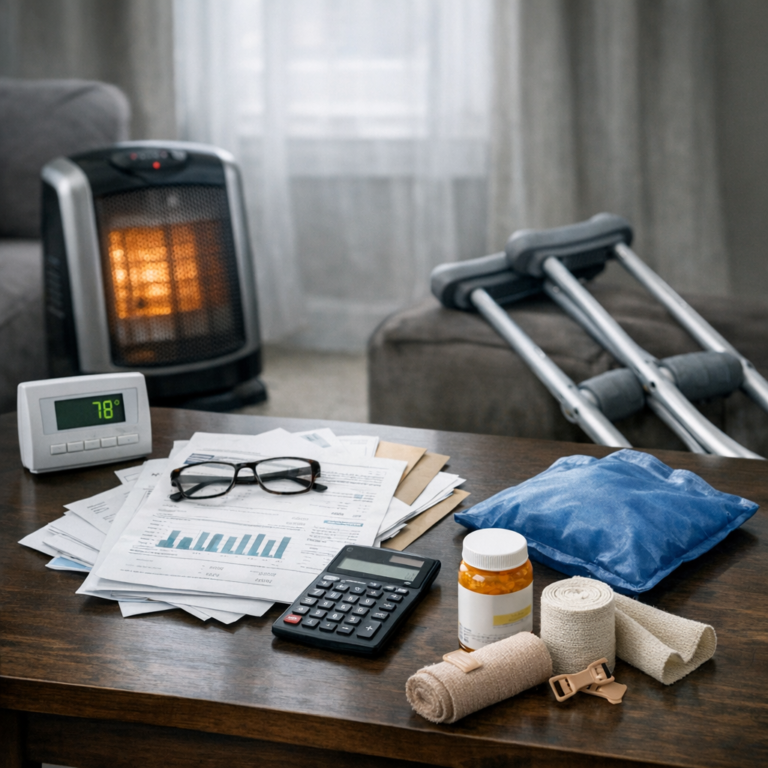
Disposable medical supplies play a crucial role in the ongoing care of individuals who face chronic health issues, mobility challenges, or other long-term medical needs. These supplies are designed for single-use to reduce infection risk and maintain hygiene standards, making them a recurring and necessary cost for many patients and caregivers. With advancing medical technology and an aging population, understanding the disposable medical supplies cost and anticipating future expenses have become important components of long-term care planning.
—
Overview of Long-Term Costs
Long-term care often involves routine use of disposable medical supplies such as gloves, wound dressings, catheters, adult diapers, and syringes. Unlike durable medical equipment, these items are intended for one-time or limited use, meaning they must be replenished regularly. This recurring need results in substantial cumulative costs over time. For individuals managing chronic conditions, recovery from surgery, or age-related health concerns, these supplies may form a large part of monthly healthcare expenditures.
The expenses associated with disposable medical supplies tend to accumulate gradually. While each item may seem relatively inexpensive on its own, consistent use over months and years can lead to significant long-term spending. The regular purchase, storage, and use of these single-use products require financial planning and a clear understanding of potential future needs.
—
Why Future Expenses Can Be Hard to Estimate
Predicting the future disposable medical supplies cost involves many uncertainties. The healthcare needs of an individual can change rapidly due to disease progression, recovery rates, or unexpected medical events. Additionally, changes in medical guidelines or introduction of new treatments can alter the types and quantities of supplies needed.
External factors, such as supply chain issues, manufacturing changes, and overall inflation, can also impact prices. Reimbursement policies from insurance providers or government assistance programs may shift, influencing which costs are covered and which remain out-of-pocket for patients. Because medical supply usage is tied so closely to personal health status and care routines, it is challenging to calculate exact long-term costs in advance.
—
Common Future Cost Types
Managing ongoing care with disposable medical supplies often entails several recurring and occasional expense categories:
– Routine Supplies:
Regularly used products such as gloves, masks, adult incontinence products, wound dressings, bandages, and syringes.
– Specialized Supplies:
Items related to specific conditions, such as ostomy bags, catheters, insulin pens, or feeding tubes.
– Cleaning and Sterilization Products:
Alcohol pads, cleansing wipes, and other single-use items that ensure equipment hygiene.
– Packaging and Disposal:
Special containers or disposal bags for safe and hygienic disposal of used supplies.
– Shipping and Delivery:
Costs associated with regular ordering and home delivery of medical supplies.
– Emergency or Replacement Purchases:
Unexpected costs for urgent supply replacements due to contamination, damage, or shortages.
—
What Factors Influence Future Costs
Several interconnected factors can influence the ongoing cost of disposable medical supplies:
– Health Condition and Severity:
The underlying medical situation dictates the frequency and type of supplies needed. Worsening conditions or additional complications can increase usage.
– Care Environment:
Home-based care versus facility-based care can result in different supply needs and consumption rates.
– Brand and Product Choice:
Premium or specialized brands may cost more than generic alternatives, impacting the overall expense.
– Regulatory Changes:
Shifts in health regulations or safety standards may require the use of different, sometimes more expensive, supplies.
– Supply Chain and Market Fluctuations:
Global events, shortages, or transportation disruptions can influence pricing and availability.
– Insurance Coverage and Reimbursement:
Changes in health insurance policies may alter which items are covered, impacting out-of-pocket expenses.
– Advancement in Medical Technology:
Newer, more effective products may be adopted, changing supply usage patterns and potentially altering costs.
– Personal Preferences and Lifestyle:
Individual choices regarding convenience, comfort, and brand loyalty can drive variations in expenditure.
—
Examples of Recurring vs One-Time Costs
The disposable medical supplies cost structure can consist of both recurring and occasional, one-time purchases. Understanding the distinction between these categories is essential when anticipating long-term expenses.
Recurring Costs:
– Weekly or monthly purchase of incontinence products, skin wipes, or gloves.
– Ongoing orders for wound dressings or sterile bandages for chronic wounds.
– Regular replenishment of insulin pens, syringes, or medication-related disposable supplies.
– Continuously required ostomy or urinary catheters for daily use.
One-Time or Occasional Costs:
– Initial stock-up of special supplies after a surgery or new diagnosis.
– Emergency replacement of supplies due to contamination, accidental damage, or product recalls.
– Purchasing new types of supplies when transitioning to a new stage of care or treatment regimen.
– Buying larger storage bins or disposal containers at the outset of care, before establishing regular routines.
—
Conclusion
Understanding the long-term expenses associated with disposable medical supplies is crucial for anyone involved in chronic disease management, elder care, or home-based recovery. The cumulative nature of these costs, combined with the unpredictability of future needs, presents significant challenges for financial planning. Numerous factors, from individual health progression to wider economic trends, add complexity to forecasting future expenses. By recognizing the types of common costs and the factors that can influence them, individuals and families can be better prepared to navigate the ongoing demands of disposable medical supply use throughout the course of care.
By focusing on the educational elements of disposable medical supplies cost, it becomes clear that these supplies are more than one-off purchases—they represent substantial, long-term commitments intertwined with the health, lifestyle, and circumstances of those who depend on them.