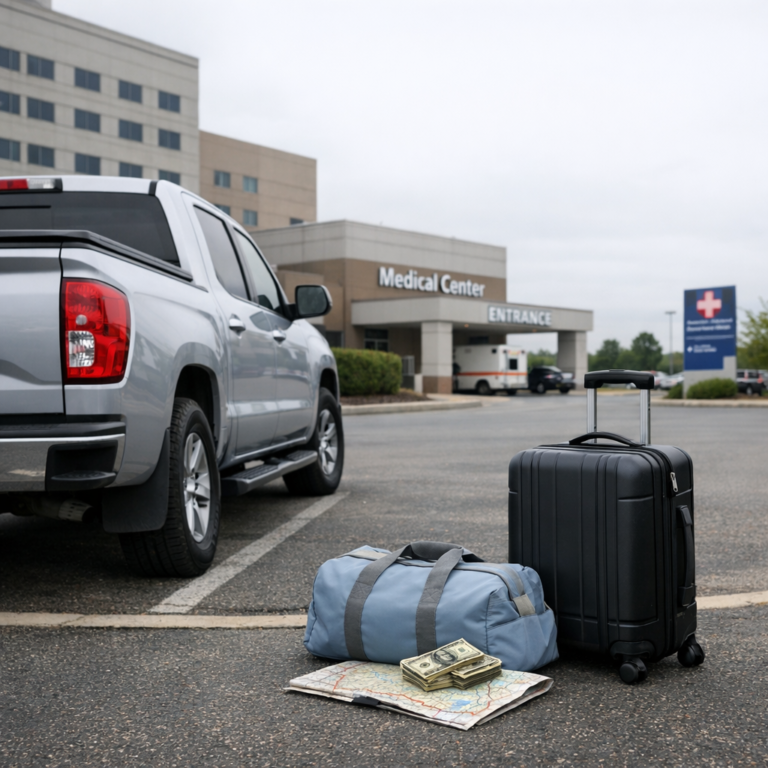
Follow Up Hospital Visits After Truck Accidents
Hospital visits following truck accidents are often necessary for recovery and ongoing assessment of injuries. While immediate emergency care tends to draw the most attention in discussions of accident-related healthcare, the costs associated with follow up hospital visits after truck accidents represent a significant, sometimes unpredictable, component of a patient’s total medical expenses. This article explores what these follow up healthcare visits typically entail, the reasons costs can vary, their most common components, documentation requirements, and potential billing issues.
—
Overview of This Cost Category
After the initial emergency response and any required inpatient care in the wake of a truck accident, patients frequently require a series of hospital-based follow-up appointments. These follow up visits serve multiple critical purposes:
– Monitoring the progression of healing (especially for fractures, head injuries, or internal trauma)
– Adjusting medications or care plans
– Conducting further diagnostic testing as symptoms evolve
– Providing physical or occupational therapy
– Managing wound care, sutures, or surgical complications
Follow up hospital visits are rarely one-time events. They can extend for weeks, months, or even longer depending on the severity of the injuries sustained in the truck accident. These repeat visits can accumulate into significant medical bills, making it a cost category worthy of close attention for anyone involved in or managing the aftermath of a serious vehicular accident.
—
Why Costs Can Vary
The costs of post-accident hospital visits can vary widely from patient to patient, and even from one visit to the next for a given individual. Several factors drive this variability:
Injury Complexity and Severity
A person with multiple or complex injuries (such as compound fractures, traumatic brain injuries, or organ damage) is likely to require a greater number of follow up visits and more specialized care, driving costs higher than in cases involving only soft tissue injuries or mild concussions.
Types of Follow-Up Services Required
Different injuries and healing paths prompt different types of follow up care. Some visits might involve only a brief check-in with a physician, while others could entail advanced imaging or lengthy therapy sessions.
Healthcare Provider and Facility
Hospital charges often differ depending on geographical location, hospital size, and whether the facility is a trauma center or has specialized resources. Academic or urban hospitals may bill at higher rates than community-based facilities.
Insurance Status and Coverage Terms
Health insurance can offset many of these costs, but coverage limits, copayment obligations, deductibles, and network considerations all impact out-of-pocket expenses. Uninsured or underinsured patients may face the highest bills.
Unexpected Complications
Complications, infections, or setbacks (like failed surgeries or delayed healing) can necessitate additional visits and interventions, significantly increasing total costs beyond initial estimates.
—
Common Cost Components
Post-accident follow-up hospital visits after truck accidents usually include several recurring and one-off components. Costs may be itemized as follows:
– Physician Consultation Fees
Payment for evaluation and treatment planning by doctors (primary care, trauma specialists, surgeons, or other relevant providers).
– Diagnostic Tests
– X-rays (to assess bone healing)
– MRI or CT scans (for neurological evaluation or more complex injuries)
– Bloodwork (to monitor infection, inflammation, or organ function)
– Therapy Services
– Physical therapy (restoring mobility, strength, balance)
– Occupational therapy (helping regain daily functional skills)
– Medications
Prescriptions to manage pain, prevent infection, or address trauma-side effects (sometimes provided through hospital pharmacies).
– Procedural Costs
– Minor surgical procedures (removing surgical hardware, debriding wounds)
– Suture removal or wound care
– Facility Fees
Charges for the use of hospital or outpatient clinic facilities during each visit, separate from the provider’s professional fees.
– Medical Supplies
Dressings, supports, splints, mobility aids, or other devices provided during the visit.
– Administrative and Billing Fees
Hospital billing departments may add administrative charges for processing claims or maintaining records.
Each bill may include some or all of these items, and repeat visits increase the total as costs accrue over multiple dates of service.
—
Documentation Commonly Tied to These Costs
For each follow up hospital visit related to a truck accident, detailed medical and administrative documentation is generated to justify and track all billed services. Common records include:
– Visit Summaries and Progress Notes
Physicians and nurses record clinical observations, patient-reported symptoms, tests ordered, and any interventions performed.
– Diagnostic Test Reports
Images and dictated interpretations from radiologists or specialists, necessary to confirm the necessity for ongoing care.
– Medication Logs
Records of all medications prescribed, dispensed, or administered.
– Procedure Records
Detailed notes when any in-office procedures (e.g., cast removal, wound care) are performed.
– Billing Statements and Itemized Invoices
Documents specifying all charges by date, provider, and service rendered. Each line typically includes billing codes that correspond to nationally recognized medical coding systems (such as CPT and ICD codes).
– Insurance Explanation of Benefits (EOB)
These statements show what the insurer has paid versus what is billed to the patient for each visit.
Accurate, thorough documentation is essential not only for patient care, but also for ensuring that all services are billed correctly and (when applicable) covered by insurance.
—
Common Billing Issues or Surprises
While comprehensive documentation and standardized billing systems exist, several issues often arise in the context of follow up hospital visits after truck accidents:
– Surprise Bills for Out-of-Network Providers
Even if the hospital is in-network, some physicians or service providers may not be, resulting in higher than expected charges.
– Unanticipated Facility Fees
Patients may incur extra charges for the use of specialty outpatient clinics, imaging centers, or therapy spaces that are not clearly explained beforehand.
– Denied Insurance Claims
Insurers sometimes deny coverage for certain follow up services, especially if documentation does not clearly show medical necessity.
– Billing Errors or Duplicate Charges
Errors can occur when the same service is billed more than once, or when incorrect codes are used.
– Delayed or Retroactive Adjustments
Sometimes, adjustments based on insurance contracts or negotiated discounts are not immediately reflected, leading to confusion about the actual amount due.
– Complications Prompting Additional Visits
Any setback in recovery (such as infection or slow healing) can result in unplanned visits and additional bills that were not part of initial cost estimates.
—
Conclusion
Follow up hospital visits after truck accidents frequently represent a substantial part of total medical expenses for accident victims. Their costs are shaped by a variety of clinical, administrative, and financial factors, and the specific components billed for each visit can add up quickly, especially for patients with significant injuries or complications. Awareness of what typically comprises these costs—and the documentation that supports them—can help patients, caregivers, and healthcare administrators better understand the billing process and anticipate potential financial outcomes. While each case is unique, a consistent approach to record keeping and communication with providers may help clarify these important and sometimes complex medical expenses.