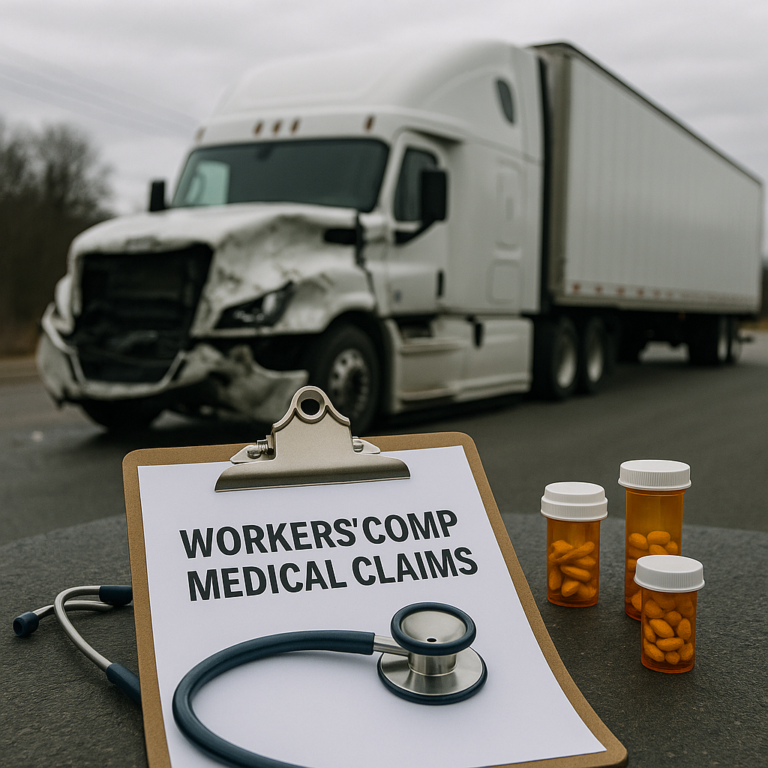
Georgia Truck Accident Laws Overview
Introduction to Truck Accident Laws in Georgia
Georgia truck accident laws outline how accidents involving commercial vehicles are handled within the state. These laws guide victims, drivers, and insurance companies through fault determination, filing claims, and resolving liabilities after a collision. Understanding regional rules helps navigate the legal steps and ensures awareness of important rights and obligations.
Key Laws or Legal Principles that Apply in Georgia
Georgia follows several specific legal principles regarding truck accidents:
– Comparative Negligence: Georgia applies a “modified comparative negligence” rule, meaning a party can recover damages if they are less than 50% at fault.
– Insurance Requirements: Commercial trucks must carry higher minimum insurance coverage than standard vehicles, mandated by both Georgia law and federal regulations.
– Federal and State Regulations: Truck drivers and trucking companies operating in Georgia must comply with Federal Motor Carrier Safety Administration (FMCSA) standards as well as state-specific Department of Public Safety regulations.
How Fault, Liability, or Claims Are Handled in Georgia
Determining fault is central to any truck accident claim in Georgia. Fault is assigned based on police reports, witness statements, and evidence from the accident. Liability can extend to multiple parties, including the driver, trucking company, cargo loader, or vehicle manufacturer, depending on the cause of the accident. Georgia’s insurance laws and the modified comparative negligence system influence how damages are calculated and who may recover compensation.
Important Deadlines or Legal Requirements to Be Aware Of
In Georgia, accident victims generally have a two-year statute of limitations from the accident date to file a lawsuit for personal injury. For property damage claims, the deadline is four years. Reporting an accident to law enforcement is typically required if there are injuries, deaths, or significant property damage.
How Georgia’s Laws May Differ from Others
Georgia’s modified comparative negligence rule sets it apart from states using pure contributory negligence or different thresholds for fault in recovery. The state’s application of both federal and specific state trucking regulations may also differ from neighboring states in terms of insurance minimums or safety requirements.
How Local Regulations Can Influence Accident Outcomes
Local ordinances concerning road use, weight limits, and commercial vehicle operation can affect how cases are evaluated and prosecuted. County or city-specific enforcement of traffic laws and safety regulations can influence liability determinations and resolution of disputes.
General Awareness of Navigating Truck Accident Situations Within Georgia
Anyone involved in a truck accident in Georgia should understand the importance of documenting the scene, collecting contact information, and reporting the incident as required by law. Awareness of deadlines and the role of comparative fault can help individuals navigate the claims process effectively.
Closing Informational Summary
Georgia truck accident laws are complex and influenced by a blend of state and federal rules. The state’s comparative negligence approach, unique insurance standards, and local regulations all play significant roles in determining responsibility and compensation. Knowing these basics can assist anyone impacted by a truck accident in Georgia as they navigate the necessary legal steps.