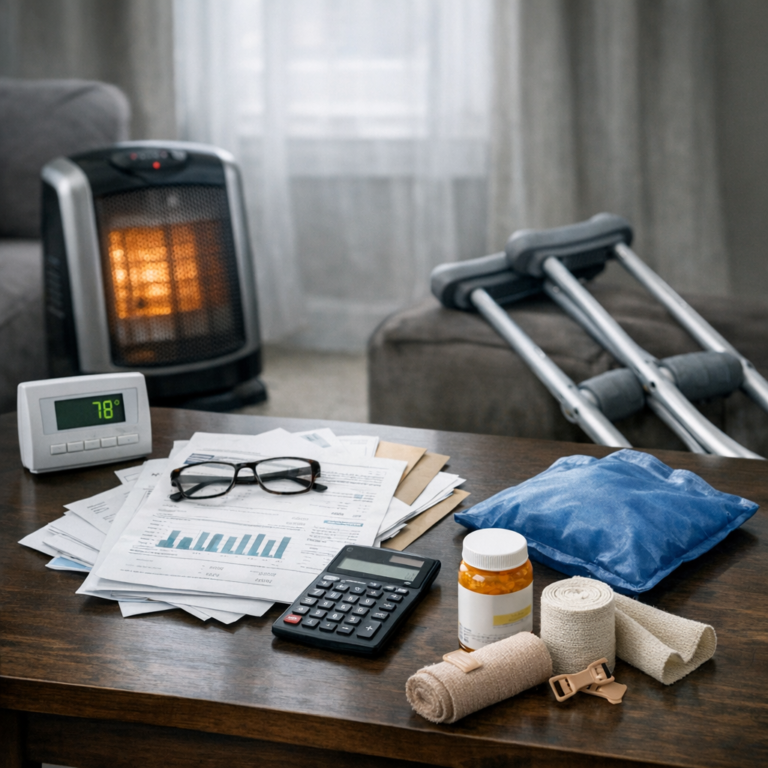
Grocery Delivery Costs During Recovery from Serious Truck Injuries
Overview of the Expense Type
Serious truck injuries can significantly disrupt daily routines, making familiar tasks like grocery shopping much more challenging, or even impossible, during the recovery period. As a result, many individuals recovering from such injuries turn to grocery delivery services for their essential food and household needs. Grocery delivery costs during injury recovery, therefore, become a practical, significant expense to consider.
Grocery delivery services, once viewed as a convenience or luxury, have become a necessity for those with limited mobility or ongoing pain following a serious truck accident. These services offer the option to shop online, select needed items, and have groceries delivered directly to the home, reducing physical strain and minimizing the risk of exacerbating injuries.
Understanding grocery delivery costs in the context of injury recovery involves examining both direct and indirect expenses, frequency of use, and the typical documentation required to track these outlays.
Why This Expense Is Common After Serious Injuries
Recovering from a serious truck injury often comes with medical restrictions, limited mobility, pain, fatigue, or the need for assistive devices. Regular activities such as driving, walking through large grocery stores, and carrying heavy bags can become difficult or inadvisable. For some, pain management regimens or medical devices may make it unsafe to drive or navigate busy environments.
Individuals may also experience temporary or long-term disability, or be advised to rest by healthcare professionals. In these cases, relying on friends or family may not be sustainable, especially over a prolonged period. Consequently, grocery delivery services become an essential method for maintaining nutrition and self-sufficiency throughout the recovery process.
Additionally, convenience and access are important factors. Grocery delivery can help avoid crowds, reduce the risk of infection when immunocompromised due to injuries or treatments (such as surgery), and support those who may be living alone without in-home caregiving support.
Typical Expense Categories
When evaluating grocery delivery costs related to injury recovery, several specific categories may be part of the overall expenditure:
– Service Fees: Most third-party grocery delivery platforms (e.g., Instacart, Shipt) and some grocery stores charge service fees for shopping, packing, and delivery coordination.
– Delivery Charges: These are separate from service fees and may be assessed per order, depending on delivery distance, time window, or order size.
– Tips for Delivery Personnel: Tips for drivers are customary and often recommended, especially when orders are large or delivery circumstances are complex (such as stairs or elevator access).
– Subscription Fees: Some services offer monthly or annual subscription plans that reduce per-delivery costs or waive certain fees (e.g., Instacart Express, Walmart+).
– Surge Pricing or Peak Delivery Surcharges: Fees may increase during high-demand periods or adverse weather conditions.
– Higher Product Prices: On some platforms, item costs may be marked up compared to in-store prices.
– Replacement Items or Substitutions: Occasionally, unavailable items are substituted, sometimes at higher cost than the requested products.
– Packaging Costs: Additional fees for special handling or packaging, especially for perishable or fragile items, may be applied.
– Minimum Order Fees: Small orders that don’t meet a set minimum may incur extra charges.
Depending on the recovery timeline and nutritional needs prescribed by medical professionals, the frequency and size of grocery orders may also fluctuate, further impacting the total monthly grocery delivery costs after injury.
Documentation That May Track These Expenses
Accurately tracking grocery delivery costs during injury recovery can provide useful information for budgeting and future expense planning. The following types of documentation can help provide a clear record of these outlays:
– Order Receipts and Invoices: Digital or printed receipts sent via email or generated within delivery service apps detail line-item purchases, fees, and total amounts paid.
– Bank or Credit Card Statements: Payment records showing charges from grocery stores or delivery platforms.
– Service App Transaction History: Many platforms allow users to download order histories, showing dates, costs, and items delivered.
– Expense Spreadsheets: Some individuals may choose to aggregate delivery costs in a spreadsheet, breaking down fees, food costs, tips, and other related expenses over time.
– Notes or Journals: Brief descriptions noting why delivery was needed (e.g., inability to drive, limited mobility, doctor’s orders) can offer context for tracking.
– Budgeting Apps: Mobile or desktop applications can track multiple categories of grocery delivery costs and analyze trends during recovery.
Keeping thorough records helps individuals better understand how injury-related needs shift personal spending habits, and may also support discussions with care coordinators, insurance providers, or financial planners.
How Expenses Change Over Time
Grocery delivery costs after a serious truck injury are dynamic, influenced by the progression of recovery and any improvements in mobility or self-sufficiency. Expenses may be highest in the initial weeks after an accident, when mobility and independence are most restricted.
– Acute Phase: Immediately following the injury, there is often a total reliance on delivery services for all grocery needs. Frequency of orders may increase as there is often an abrupt change in household food management.
– Recovery and Rehabilitation: As individuals regain mobility or transition to partial weight-bearing or modified activity, grocery delivery might be used less frequently or in combination with assisted in-store visits.
– Long-Term Adaptation: For those with permanent mobility limitations or chronic symptoms, grocery delivery may remain a primary option, potentially shifting to more cost-efficient subscription models or bulk ordering to lower per-delivery expenses.
The total cost can also fluctuate based on lifestyle changes, the number of people in the household, changes in dietary needs, and the return of the injured individual’s ability to leave the home independently.
In summary, grocery delivery costs after a serious truck injury often become a significant and necessary component of daily living expenses, supporting nutrition and independence during a critical recovery period. Understanding the nature of these costs—along with how they evolve over time—can help individuals and families navigate the practical financial adjustments required during healing and rehabilitation. Meticulous documentation and awareness of expense categories provide insight into both immediate and ongoing needs.