Health Insurance Claims Related to Truck Accident Injuries
Overview of the Insurance/Billing Issue
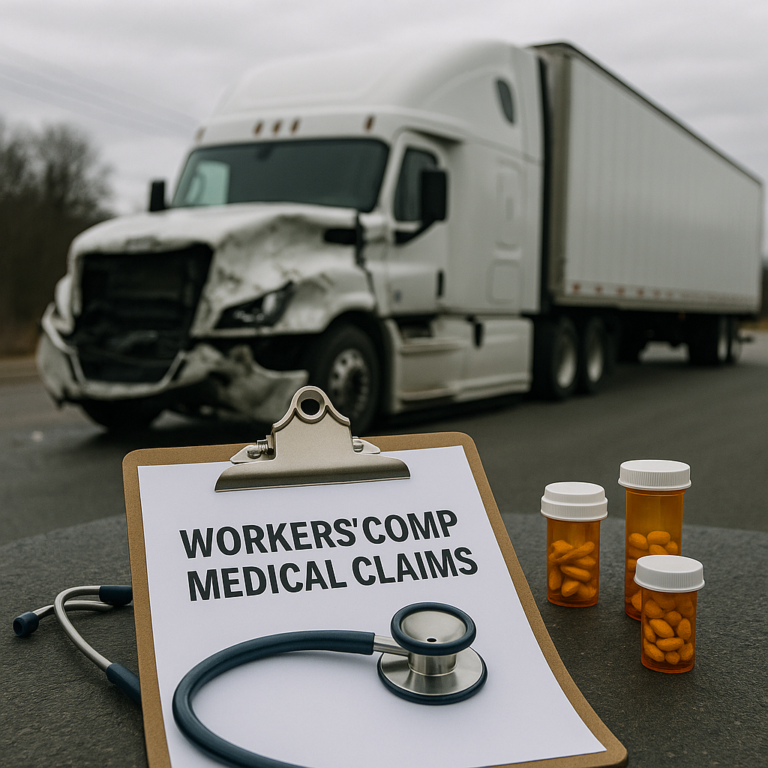
Health insurance claims related to truck accident injuries often involve complex coordination between healthcare providers, insurance companies, and sometimes third-party liability coverage. When a patient is injured in a truck accident, their medical expenses may be covered by several potential insurance sources, including personal health insurance, auto insurance (such as the medical payments coverage or personal injury protection), and, in some cases, the at-fault trucking company’s liability insurance. Navigating which policy pays first and how subsequent claims are processed can pose significant billing challenges.
These situations are complicated further by the large costs and multiple providers often involved after a serious motor vehicle accident. Truck accident injuries often require hospitalization, surgery, rehabilitation, and long-term care, generating extensive medical bills. Ensuring that claims are billed to the correct insurers, coordinating benefits, and communicating payment denials or adjustments becomes a key administrative burden for both patients and healthcare billing professionals.
Where It Typically Appears in the Billing Cycle
Insurance and billing issues related to truck accident injuries typically arise early in the medical billing cycle, during the registration and claim submission phases. Problems may also continue after initial claims submission, especially when insurance coordination, denials, or payment disputes occur.
Key inflection points include:
– Patient Registration and Intake: Collecting information about the nature of the accident, responsible parties, and all available insurance policies.
– Initial Claim Submission: Deciding which insurer to bill first (primary insurance) and how to list accident details on claim forms.
– Coordination of Benefits (COB): Identifying which insurer takes primary responsibility and how other insurers (such as a trucking company’s liability plan) may share costs.
– Denials and Appeals: Addressing payment denials or underpayments, which are common when multiple insurance carriers are involved or when additional documentation is required.
Common Causes
Several factors often contribute to health insurance claims and billing issues for individuals injured in truck accidents:
– Incomplete or Unclear Accident Information: Lack of detailed accident description, such as police reports or claim numbers, can cause processing delays.
– Multiple Insurance Policies Involved: Health, auto, and truck company liability insurance may all play a role, requiring careful coordination to avoid duplicate payments or denials.
– Subrogation and Reimbursement Rights: Health insurers may reserve the right to recover costs if a liability insurer subsequently pays, complicating billing and settlement.
– Claim Filing Delays: Waiting for police reports or insurance verification may cause claims to miss timely filing deadlines.
– Coding Errors: Incorrect use of accident or injury diagnosis codes may result in inappropriate denials.
– Policy Exclusions or Limitations: Some health insurance policies may restrict coverage for injuries expected to be covered by auto or liability insurance.
– Insufficient Documentation: Missing medical records, bills, or provider information can stall claim processing.
– Liability Disputes: Uncertainty or disagreement regarding which party is responsible can prolong claim settlement.
– Changes in Patient Coverage: Injury victims may lose or gain insurance coverage as a result of the accident or related job changes, affecting claims payment.
Common Documents Involved
Several key documents are typically required for accurate health insurance claims processing in truck accident injury cases:
– Health Insurance Card: Proof of current coverage, including member ID and group number.
– Auto Insurance Policy Information: In cases where auto coverage such as PIP (Personal Injury Protection) or MedPay is available.
– Accident Report (Police Report): Official documentation summarizing how the truck accident occurred.
– Assignment of Benefits Forms: Authorizing healthcare providers to bill insurance directly.
– Coordination of Benefits Questionnaire: Used to determine the order in which insurance plans are billed.
– Detailed Medical Records: To document the extent and cause of the patient’s injuries.
– Itemized Medical Bills: Required for claims submission to insurers.
– Explanation of Benefits (EOB): Details payments made, denied, or pending for submitted claims.
– Correspondence from Insurers: Includes requests for more information, notifications of subrogation, or payment denials.
– Lien Notices: Issued by health insurers, indicating a right to reimbursement if the patient receives a liability settlement.
How Disputes or Corrections Typically Happen
Disputes or corrections in health insurance claims related to truck accident injuries commonly occur when there is confusion or disagreement over policy responsibility, denied claims, incorrect billing, or subrogation/reimbursement issues.
At a high level, dispute or correction processes might include:
– Internal Review: The provider’s billing office reviews denied or underpaid claims, checking for errors in coding or missing documentation.
– Insurance Communication: Billing staff communicate with insurance carriers to clarify accident details, verify coverage, or resolve COB issues.
– Appeal Submission: Providers or patients may formally appeal denied claims, submitting additional documentation for reconsideration.
– Legal Involvement: In rare, complex cases, insurance carriers or providers may engage legal or third-party administrators (TPAs) to resolve payment or liability questions.
– Subrogation Negotiation: When a health insurer seeks repayment after a settlement or liability payout, additional coordination and documentation may be necessary.
– Amended Billing: Providers may resubmit or correct claims based on updated accident or insurance information, ensuring timely and accurate payment.
—
In summary:
Health insurance claims involving truck accident injuries are among the most complex types of medical billing cases due to the severity of injuries, high costs, and the need for coordination among multiple insurance types. Common issues include incomplete documentation, coding errors, delays, and insurer disagreements about responsibility. Documentation (accident reports, insurance verification, detailed billing records) and careful coordination of benefits are essential throughout the claims and billing process. Disputes are generally managed through administrative review, appeals, and ongoing communication with insurance carriers, all structured to reconcile payment and coverage responsibilities without offering legal advice or direct instructions.