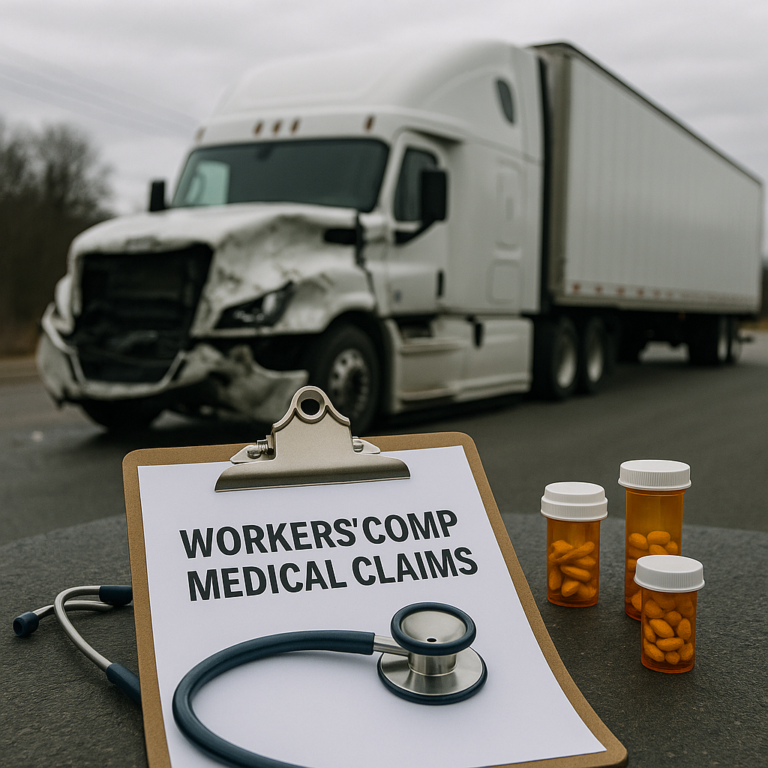
How Damages Caps Vary by State in Truck Accident Claims
Introduction to Truck Accident Laws in the U.S.
Truck accident claims are governed by a mix of federal trucking regulations and each state’s own civil laws. When a person is injured or experiences property damage in a truck accident, the laws of the particular state where the crash occurred often dictate how much compensation may be available, and whether any limits—known as damages caps—might apply.
Key Laws or Legal Principles That Apply
States handle personal injury and accident claims differently. In truck accident claims, “damages” refers to the money a victim may receive for things like medical expenses, property losses, lost wages, and sometimes pain and suffering (collectively called compensatory damages). Some states also allow punitive damages, meant to punish especially reckless behavior.
How Fault, Liability, or Claims Are Handled
Most states use comparative fault rules, meaning each party’s share of responsibility in an accident can reduce the amount they recover. Some follow pure comparative fault, letting a person recover damages even if they are mostly at fault, while others use modified comparative or contributory negligence rules.
Important Deadlines or Legal Requirements to Be Aware Of
Every state sets a statutory time limit—or statute of limitations—on when a truck accident claim must be filed. These timelines typically range from 1 to 4 years from the date of the accident.
How This State’s Laws May Differ From Others
Not all states set caps on damages, but some do—especially on non-economic or punitive damages. For example:
– California: No cap on compensatory damages, but limits on punitive damages based on constitutional principles.
– Texas: Caps non-economic damages in cases against government entities and in some injury cases, but not every truck accident claim.
– Florida: Generally no caps on damages in most truck accident injury cases since 2017.
– Tennessee: Capped non-economic damages at $750,000 in most injury cases and $1 million for catastrophic injuries.
– Missouri: No cap on compensatory damages for most injury cases.
These differences mean the state where an accident occurs can significantly alter the potential outcome of a claim.
How Local Regulations Can Influence Accident Outcomes
Beyond damages caps, local laws and regulations—such as commercial vehicle insurance requirements, reporting rules, and comparative fault statutes—also play important roles in handling truck accident claims. Some states require minimum insurance levels higher than the federal standard for trucks driving exclusively within state lines.
General Awareness of Navigating Truck Accident Situations Within This State
Those involved in a truck accident should be aware of their state’s specific laws, deadlines, and potential damages caps. Understanding state law is important when coordinating with insurance companies or initiating a lawsuit. Keeping records of the accident and promptly seeking medical care and legal consultation are recommended first steps.
Closing Informational Summary
In summary, damage caps in truck accident claims—meaning the maximum amount a victim can recover—vary widely by state. Some states impose no caps for most cases, while others set strict limits, particularly on non-economic or punitive damages. Because state law heavily influences claim outcomes, understanding local requirements and variations is a critical part of managing a truck accident claim.