How No Fault Laws Affect Florida Truck Accident Claims
Introduction to Truck Accident Laws in Florida
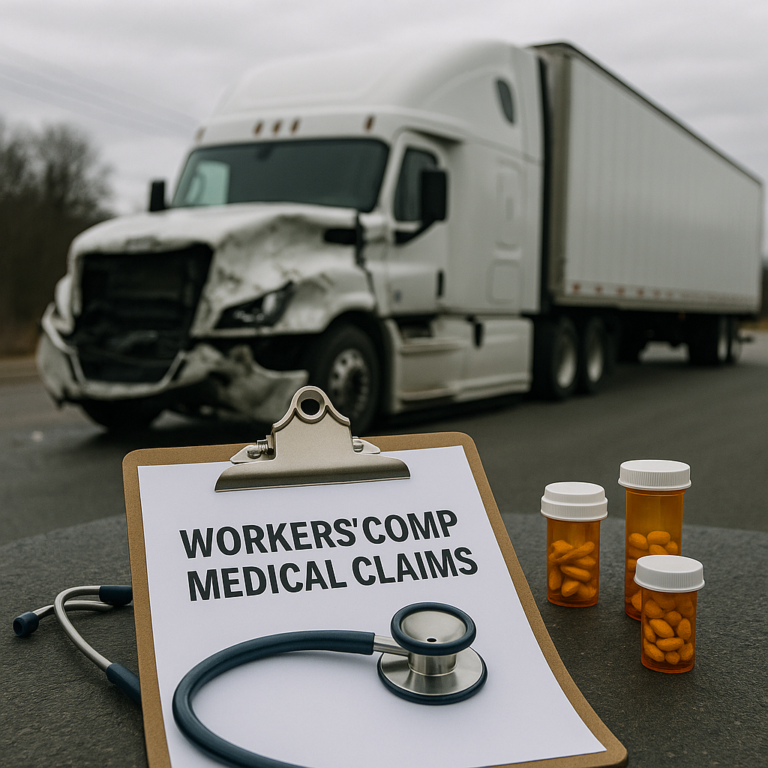
Truck accidents can result in complex legal situations, especially in states like Florida, which follow “no fault” insurance laws. These laws are designed to streamline compensation after motor vehicle accidents, but they can impact how claims are made and resolved, particularly when large commercial vehicles are involved.
Key Laws or Legal Principles That Apply in Florida
Florida is known as a “no fault” state when it comes to most motor vehicle accidents, including those involving trucks. This means that after an accident, each driver’s own insurance covers their initial medical expenses and certain losses, regardless of who was at fault. The foundation of this system is Personal Injury Protection (PIP), which is mandatory for most drivers in Florida.
How Fault, Liability, or Claims Are Handled in Florida
Under Florida’s no fault system, drivers typically turn to their own PIP coverage for compensation after a truck accident, up to the policy limits (usually $10,000). However, truck accident claims can become more complex if injuries are serious. If injuries meet a certain legal threshold—such as significant or permanent loss of bodily function, disfigurement, or death—an injured party may pursue a claim against the at-fault party, such as the truck driver or trucking company.
Important Deadlines or Legal Requirements to Be Aware Of
Florida law requires drivers to report most traffic accidents immediately and to file insurance claims without delay. PIP claims generally must be filed promptly, often within 14 days of the accident. For lawsuits related to bodily injuries, Florida has specific statutes of limitations (time limits), which are generally two years from the date of the accident, though this can change with legal reforms.
How Florida’s Laws May Differ from Others
Unlike many states that follow traditional tort systems—where the at-fault driver is typically responsible for all damages—Florida’s no fault laws limit lawsuits except in cases involving serious injuries. Additionally, while many states lack PIP requirements, Florida mandates PIP coverage. These differences can greatly influence how claims are handled and what compensation is available.
How Local Regulations Can Influence Accident Outcomes
In addition to state laws, local ordinances and Florida-specific commercial vehicle regulations can affect truck accident claims. For example, certain counties or cities may have unique reporting requirements or local commercial driving rules that influence case outcomes and insurance procedures.
General Awareness of Navigating Truck Accident Situations in Florida
Understanding the no fault approach is foundational when navigating truck accident situations in Florida. Gathering prompt documentation, reporting the incident, and knowing when state law allows for stepping outside the no fault system can play an important role in how claims are processed and resolved.
Closing Informational Summary
Florida’s no fault laws set it apart from many other states, especially in handling truck accident claims. These laws influence how insurance settles medical costs and when it is possible to pursue further legal action. Awareness of unique state requirements, deadlines, and local regulatory nuances is important for anyone involved in a Florida no fault truck accident. Staying informed makes navigating the process clearer and avoids common misunderstandings about how compensation is determined in this state.