New Jersey Truck Accident Laws Explained
Introduction to Truck Accident Laws in New Jersey
Understanding how truck accident laws work in New Jersey is important for anyone who lives, works, or travels through the state. Given New Jersey’s dense road network and high volume of commercial traffic, knowing the basics of local laws can help individuals respond appropriately if they are involved in a truck accident.
Key Laws or Legal Principles That Apply in New Jersey
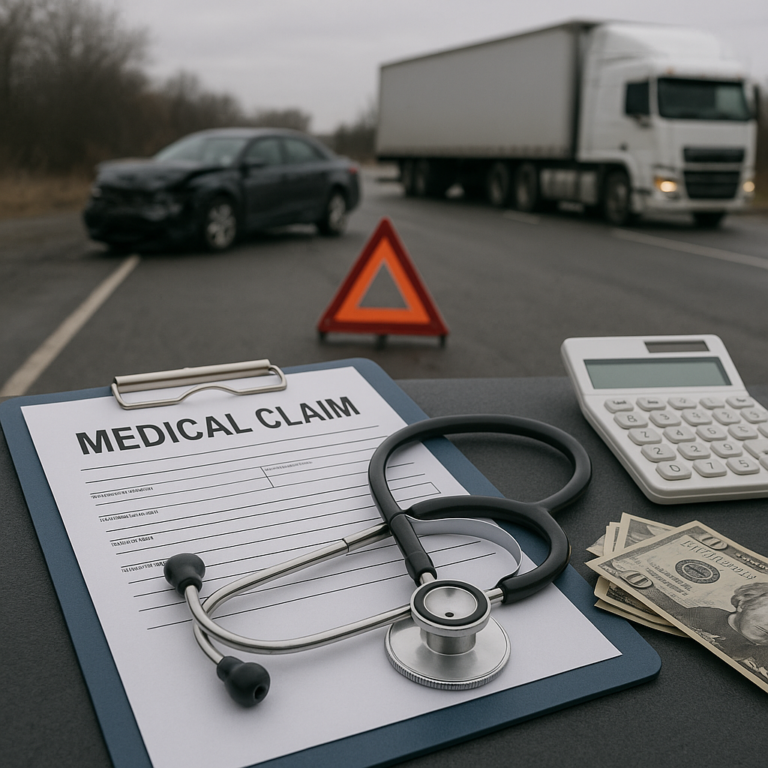
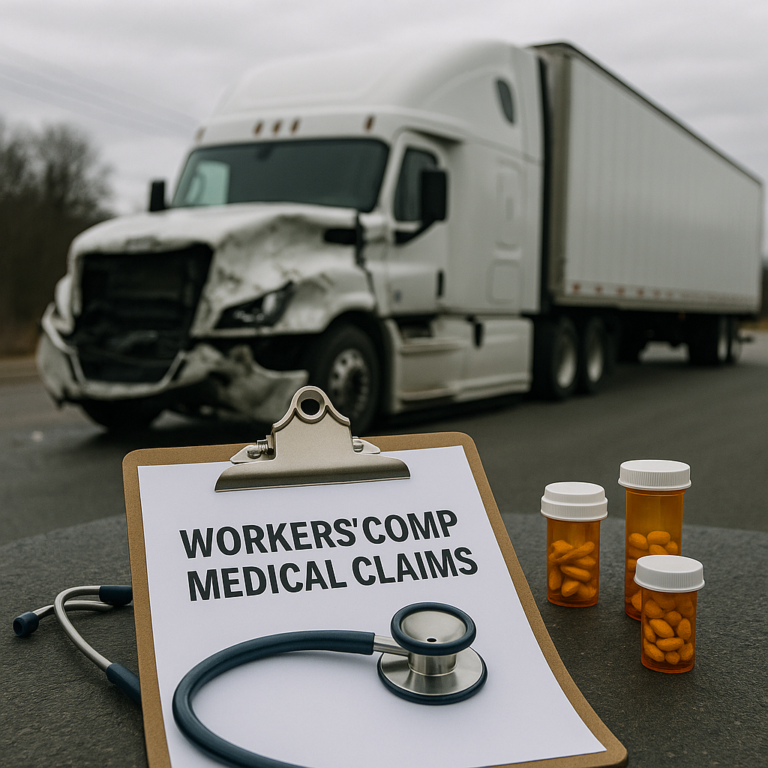
Truck accidents in New Jersey are governed by a combination of state traffic laws, federal trucking regulations, and insurance rules. These laws determine how fault is established, how claims may be made, and what compensation may be available after a collision involving a commercial vehicle.
How Fault, Liability, or Claims Are Handled in This State
New Jersey follows a “modified comparative negligence” system. This means that if a person is less than 50% at fault for an accident, they may still recover damages, but their compensation will be reduced by their percentage of fault. Liability may be shared among multiple parties, including the truck driver, trucking company, or vehicle manufacturer, depending on the specifics of the case.
Important Deadlines or Legal Requirements to Be Aware Of
The statute of limitations for filing a personal injury lawsuit after a truck accident in New Jersey is typically two years from the date of the crash. There are also notification requirements, especially if any government entity is involved; these may have much shorter timelines. Additionally, New Jersey’s “no-fault” insurance system requires an injured person to first seek compensation through their own insurance provider, with specific exceptions for serious injuries.
How This State’s Laws May Differ from Others
Some states use a pure comparative negligence system or at-fault insurance models, but New Jersey employs a modified comparative negligence and no-fault insurance structure. This creates unique steps for filing claims and determining compensation eligibility. The involvement of federal trucking regulations, such as hours-of-service and vehicle maintenance standards, is consistent across states but enforced in conjunction with New Jersey’s own guidelines.
How Local Regulations Can Influence Accident Outcomes
Local New Jersey ordinances—ranging from weight limits to commercial vehicle route restrictions—can affect whether a violation played a role in an accident. Police reports may reference local rules, which could influence the outcome of a claim or lawsuit.
General Awareness of Navigating Truck Accident Situations Within This State
New Jersey residents should be prepared to document the scene, exchange information, and report accidents as required by law. Insurance notification deadlines and proper medical documentation are critical steps. Consulting with a local professional may help clarify processes that are specific to New Jersey’s legal environment.
Closing Informational Summary
New Jersey’s truck accident laws blend state-specific legal principles with federal regulations, creating a distinct framework for determining liability and compensation. Awareness of these region-specific rules and timelines can help individuals take informed action after a truck accident, while recognizing that each situation is unique and general information may need adjustment to fit specific circumstances.