Physical Therapy Costs Over Time After Truck Accidents
Recovery from a truck accident often extends far beyond immediate medical attention. For many survivors, physical therapy becomes a critical part of regaining function and quality of life. Understanding long term physical therapy costs after truck accidents is important for patients, families, and those interested in the broader implications of accident recovery. This article explores the different aspects of ongoing expenses for physical therapy, why estimating these costs can be complex, and what factors contribute to the long-term financial impact.
Overview of Long-Term Costs
Physical therapy is designed to restore movement, strength, and function following traumatic injuries, which are common in truck accidents. The initial phase may be intensive, with frequent sessions, specialized treatments, and adaptive equipment. However, the need for therapy often does not end quickly. Some individuals may continue to require sessions for months, years, or even indefinitely, especially in cases involving chronic pain or permanent injuries.
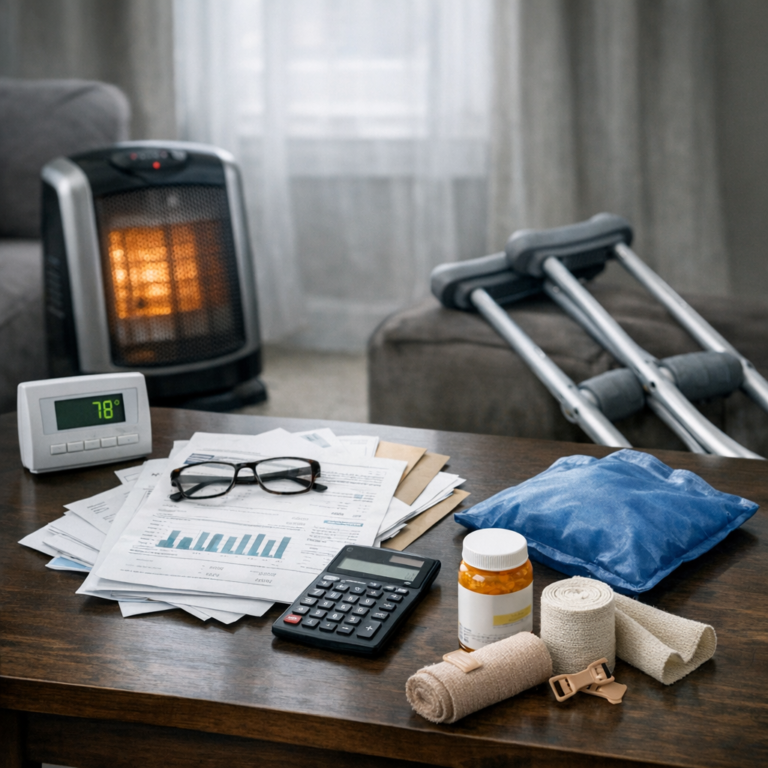
Long term physical therapy costs typically accumulate as a result of ongoing appointments, adaptive exercises, and periodic reassessments of progress. These costs can be significant, even for those with insurance coverage, as copays, deductibles, and uncovered treatments may add up over time. In severe cases, patients may also require home modifications or assistive devices to support their therapy goals.
The breadth and duration of physical therapy are influenced by the severity of injuries, the presence of coexisting conditions, and the patient’s specific recovery goals. As a result, the financial horizon for therapy-related expenses can extend well beyond what might be initially expected at the time of the accident.
Why Future Expenses Can Be Hard to Estimate
Forecasting the future costs of physical therapy after a truck accident is challenging. Unlike many fixed or predictable expenses, therapy needs and frequency often fluctuate based on individual progress, setbacks, or additional injuries sustained from the initial trauma.
Several factors contribute to this unpredictability:
– Individual Healing Timelines: Each person’s body recovers at a different rate. Some might regain full function sooner than expected, while others encounter prolonged obstacles that extend therapy needs.
– Changes in Treatment Plans: Therapists may adjust strategies as patients progress, sometimes incorporating new techniques or technologies that come with different costs.
– Potential for Complications: Complications such as infections, re-injury, or the development of secondary conditions can increase the need for additional or extended therapy.
– Evolving Medical Protocols: Advances in medical technology and therapy approaches may introduce new, potentially more costly, treatment options over the course of recovery.
– Insurance Coverage Variations: Not all insurance plans cover every type of therapy or the full course recommended by healthcare providers, leading to unpredictable out-of-pocket expenses.
The intersection of these variables makes it difficult to create a one-size-fits-all estimate for long term physical therapy costs after a truck accident.
Common Future Cost Types
Understanding the types of costs that can arise in the long-term recovery from a truck accident can provide context for why these expenses grow over time. Some common examples include:
– Ongoing Therapy Sessions: Recurring appointments with physical therapists, often required weekly or monthly for extended periods.
– Specialized Rehabilitation Treatments: Advanced therapies, such as aquatic therapy, functional electrical stimulation, or manual therapy, may be added as recovery progresses.
– Home Exercise Equipment: Devices like resistance bands, exercise balls, or at-home stationary cycles to continue therapy independently between sessions.
– Assistive Devices: Utilization of braces, splints, walkers, or wheelchairs as temporary or permanent aids.
– Adaptive Home Modifications: Alterations to living spaces, such as installing ramps, handrails, or accessible showers, to accommodate therapy needs.
– Telehealth or Remote Therapy: Virtual physical therapy sessions, especially important for those with limited mobility or access to local providers.
– Medication Related to Therapy: Prescription or over-the-counter medications to manage pain or inflammation during the rehabilitation process.
– Transportation Costs: Ongoing travel expenses for frequent trips to physical therapy clinics or specialists.
What Factors Influence Future Costs
Several variables influence the trajectory and total sum of physical therapy expenses following a truck accident:
– Severity and Type of Injuries: More complex injuries (for example, spinal cord damage or multiple fractures) typically result in more extensive and longer therapy.
– Age and Overall Health Condition: Older patients or those with chronic conditions may require a longer recovery timeline or additional support services.
– Therapy Setting: Rehabilitation in outpatient clinics, inpatient facilities, or at home each have distinct cost structures.
– Frequency and Duration of Sessions: Some recovery plans call for intensive initial treatments followed by a tapering schedule; others may sustain frequent visits over a longer period.
– Geographical Location: Costs can vary significantly by region due to local market rates for healthcare services.
– Progress and Setbacks: Healing is a dynamic process. Setbacks such as re-injury can add new costs, while faster-than-expected recoveries may reduce the overall burden.
– Availability of Community Resources: Support programs, non-profits, or community health centers sometimes help cover expenses, which can alter out-of-pocket obligations.
Examples of Recurring vs One-Time Costs
When considering long term physical therapy costs, it’s important to distinguish between expenses that will occur regularly and those that are typically one-off investments:
Recurring Costs:
– Regular therapy session fees (weekly, monthly, or as prescribed)
– Transportation for ongoing visits
– Maintenance and replacement of adaptive devices or home exercise equipment
– Medication refills related to pain or inflammation management
One-Time Costs:
– Purchase of major assistive devices (e.g., wheelchair or walker obtained at the start of rehabilitation)
– Initial home modifications (such as ramp installation)
– Initial evaluation or advanced diagnostic assessments
In many cases, the combination of persistent recurring costs and essential, though less frequent, one-time costs creates a complex financial landscape for individuals recovering from significant truck accident injuries.
—
Understanding the landscape of long term physical therapy costs after truck accidents can provide important perspective into the continued commitment required for recovery. The uncertainty of future expenses, combined with the wide variety of cost types and influencing factors, makes it clear that planning for these needs involves not only medical insight but also a realistic view of the evolving financial demands. This awareness highlights the importance of ongoing assessment and flexibility in managing both the journey of physical restoration and the associated economic considerations.