Practical Expense Documentation After Truck Injuries
Serious truck injuries can create a variety of financial burdens. Often, these costs go beyond immediate medical care, affecting nearly every area of everyday life. For individuals recovering from severe injuries, careful expense documentation becomes essential. Accurate records can help track spending, support insurance claims, and provide clarity about the true impact of the accident. This article explores the different types of expenses that arise after truck injuries and offers guidance on practical ways to document them.
Overview of the Expense Type
Expenses following a serious truck injury cover a broad spectrum. Medical bills are usually the first concern, but there are many indirect and long-term financial impacts. These costs are often grouped as “post-accident practical expenses.” They include any outlay directly or indirectly connected to recovery and adjustments caused by injury.
Documenting these expenses requires attention to detail, organization, and a consistent approach. Without proper expense documentation, it becomes challenging for individuals and families to stay organized and understand the ongoing impact of an injury.
Why This Expense Is Common After Serious Injuries
When someone is seriously hurt in a truck accident, the consequences are rarely confined to initial treatment alone. Limited mobility, extended recovery time, and changes to daily routines often introduce new expenses. For example, an injured person may need transportation assistance, home modifications, or specialized equipment. These changes usually bring costs that were not present before the accident.
Additionally, extended time away from work or the need for caregiving support can strain household finances. As a result, practical expense documentation after an injury offers a clear picture of needs over time and supports communication with insurance providers, healthcare professionals, and employers.
Typical Expense Categories
Expenses after a truck injury generally fall into several main categories. Keeping a detailed record in each of these areas can provide a comprehensive snapshot of overall costs:
– Medical treatments and therapies: Hospital bills, emergency room visits, surgeries, follow-up doctor appointments, diagnostic tests (e.g., X-rays, MRIs), and specialist care.
– Prescription medications: Costs of new or ongoing medications required for recovery or pain management.
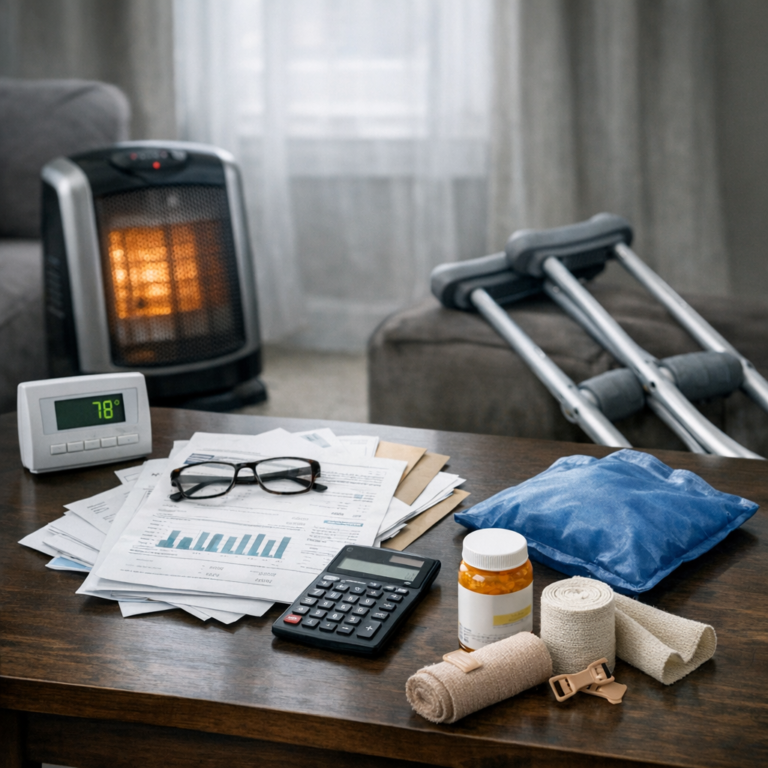
– Medical supplies and equipment: Items such as crutches, wheelchairs, braces, home care beds, or wound care supplies.
– Home modifications: Expenses related to making a residence accessible (e.g., building ramps, widening doorways, installing grab bars).
– Transportation: Travel to and from medical appointments, temporary use of taxis, ride-shares, accessible vehicles, or public transportation.
– Lost income: Wages lost due to missed work; may also include diminished earning capacity if injury affects future employment.
– Household services: Costs for assistance with meal preparation, cleaning, yardwork, childcare, or personal caregiving.
– Rehabilitation and therapy: Fees for physical therapy, occupational therapy, speech therapy, or counseling.
– Adaptive services and technology: Costs for assistive devices (e.g., voice-to-text technology), mobile ramps, or home automation for accessibility.
– Personal expenses: Additional expenses, such as increased utility bills if the person is homebound, or the purchase of comfortable clothing post-injury.
Documentation That May Track These Expenses
Systematic expense documentation is essential to organize and preserve a record of injury-related costs. The following documents and tools can be helpful for tracking each major category:
– Invoices and receipts: Official proof of payment for medical care, equipment, and services.
– Bills and statements: Statements from hospitals, specialist offices, pharmacies, and therapy providers.
– Mileage logs: Written or app-based records tracking distances traveled for medical appointments or related activities.
– Pay stubs and employment records: Documents showing lost work hours or changes in income.
– Caregiving contracts: Agreements or payment records for in-home support or personal assistance.
– Home modification estimates and invoices: Quotes, bills, and proof of payment for any alterations to living spaces.
– Insurance explanation of benefits (EOB) statements: Detailed breakdowns of what insurance pays versus what the policyholder owes.
– Detailed personal notes or calendars: Logs detailing appointments, symptoms, days missed from work, and changes in daily routines post-injury.
– Digital folders and spreadsheets: Electronic organization for scanned documents and expense tracking.
– Photos: Before-and-after pictures of home modifications or purchased equipment as supporting evidence.
Effective documentation often combines physical copies with digital backups to reduce loss or disorganization.
How Expenses Change Over Time
The types and amounts of expenses related to truck injuries often shift as recovery progresses. Initially, medical and emergency costs are most significant. Over the weeks and months that follow, expenses may transition to focus on rehabilitation, adaptive devices, or long-term caregiving support. In some situations, permanent changes or disabilities require ongoing investments in home modifications, adaptive equipment, and professional assistance.
Additionally, as some individuals return to work or regain independence, certain costs may decrease. However, for others, especially with life-altering injuries, a new baseline of recurring expenses may become the norm. Tracking these changes with clear documentation enables individuals, families, and care teams to respond promptly to evolving needs.
—
Documenting practical expenses after serious truck injuries requires thoughtful organization and consistent effort. By categorizing expenses and collecting relevant documentation, individuals maintain an accurate record of ongoing costs. This process not only supports management of finances during recovery but also illustrates how an accident can reshape daily living and financial stability over time.