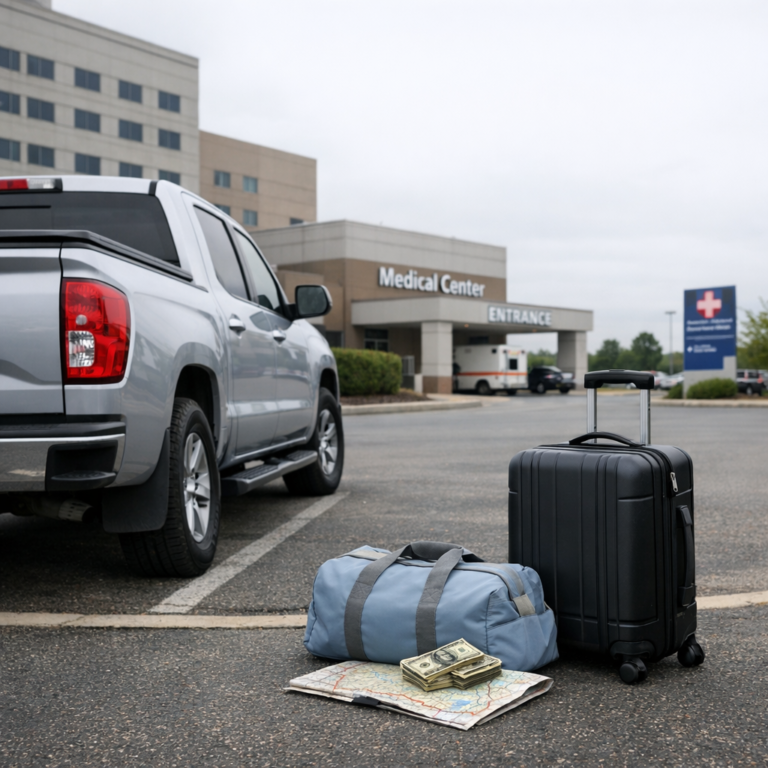
Specialized Transportation Expenses After Truck Injuries: Understanding Long-Term Costs and Future Expenses
In the aftermath of a serious truck injury, individuals often face a range of challenges beyond immediate medical care. Among the most significant and ongoing concerns are specialized transport costs. For many survivors, injuries can result in long-term or permanent mobility limitations, necessitating special transportation arrangements for medical appointments, daily activities, or participation in the community. Understanding the complexities and long-term nature of these expenses is crucial for anyone seeking to comprehend the true financial impact of truck injuries.
Overview of Long-Term Costs
Following a truck-related injury, individuals may require specialized transportation for months, years, or in some cases, for the rest of their lives. Unlike regular taxi or rideshare costs, specialized transport refers to services that accommodate medical equipment (like wheelchairs), provide trained personnel for assistance, or feature vehicles with custom modifications.
Long-term costs can include frequent trips to healthcare facilities for follow-up appointments, physical therapy, or consultations with various specialists. Additionally, daily living activities—shopping, attending work, socializing, or pursuing education—can all require adapted transportation. Over time, these costs accumulate significantly and contribute to the overall financial burden faced by injury survivors and their families.
An important aspect of these costs is their persistence. While some transportation expenses are immediate and short-term, such as hospital discharge or transfer between care facilities, many are recurrent. This ongoing need for specialized services can continue even after the primary phase of medical recovery has concluded.
Why Future Expenses Can Be Hard to Estimate
Projecting the total future expense of specialized transportation after a truck injury is inherently complex. Several factors contribute to this uncertainty, making it difficult to establish a one-size-fits-all estimate.
Recovery and the overall prognosis can evolve, altering the type or frequency of transport needed. Advances in medical treatment, rehabilitation progress, and changes in personal circumstances—for example, changes in residence, employment status, or care arrangements—can all impact future needs.
Additionally, the cost of services can fluctuate over time. Inflation, changes in local availability of providers, or the introduction of new transportation technology may influence prices and service options. Regulatory environments and insurance coverage can also shift, affecting how much individuals must pay out-of-pocket.
Another challenge lies in predicting what types of vehicles, equipment, and support a person will need as they age or as their condition changes. A person who can transfer independently in the years immediately following their injury may later require more intensive assistance or different types of adaptations.
Common Future Cost Types
After a truck injury requiring special accommodations, individuals and families may encounter a wide variety of specialized transport costs. Some of the most common include:
– Non-emergency medical transportation (NEMT): Regular trips to and from hospitals, clinics, physical therapy, or other medical appointments in vehicles equipped for wheelchairs or stretchers.
– Adaptive vehicle purchase or modification: Buying or updating personal vehicles with ramps, lifts, lowered floors, hand controls, or specialized seating.
– Routine mobility services: Scheduled rides with accessible vans or mobility service providers, often replacing the function of standard taxis or rideshares.
– Occasional specialty transport: Arranging long-distance transportation for medical consultations, family events, or transfers between care facilities.
– Driver assistance costs: Support for hiring drivers trained to assist with mobility challenges or to operate adapted vehicles.
– Vehicle maintenance and adaptation updates: Ongoing costs for repairs, replacements, or technological updates to maintain vehicle accessibility and safety.
– Personal escort services: Fees for companions or aides who accompany the individual during travel to assist with transfers, navigation, and mobility.
– Temporary rental of adaptive vehicles: Renting accessible vehicles for travel or during periods when the primary vehicle is unavailable.
These costs can be either direct (paying for a transport service or a new vehicle) or indirect (additional insurance, training for drivers, etc.).
Examples of Recurring vs. One-Time Costs
When examining the landscape of specialized transport costs, it’s useful to distinguish between expenses that recur over time and those that are generally one-off:
Recurring Costs:
– Regular payments for accessible ride services or NEMT providers
– Ongoing maintenance and repair for adapted vehicles
– Routine hiring of driver assistance or personal escorts
One-Time Costs:
– Initial purchase of an accessible vehicle or major modification of an existing car
– Installation of aids like ramps, lifts, or hand-controls in a vehicle
– Upfront training for household members or caretakers on safe use of adaptive features
This division helps clarify both the ongoing nature of some costs and the significant investment often required at specific points in time.
What Factors Influence Future Costs
A range of personal, technological, and external factors can shape the ultimate scope and scale of specialized transport expenses after a truck injury:
– Severity and type of injury: Injuries resulting in lifelong mobility impairments generally necessitate more extensive and sustained support. The need for wheelchair access, specialized seating, or medical monitoring during travel all increase costs.
– Age at time of injury: Younger individuals may face decades of transportation needs, potentially requiring multiple vehicle replacements or modifications over a lifetime.
– Location and urban/rural status: In urban areas, accessible transport options may be more widely available and competitively priced than in rural regions, where specialized services might be scarce and travel distances longer.
– Local infrastructure: The presence (or absence) of accessible public transportation options greatly impacts reliance on private or specialized services.
– Frequency of healthcare visits: The number and regularity of medical appointments, therapy sessions, or rehabilitation treatments drive increased transport demands.
– Personal circumstances: Employment, education, family commitments, and social activities all play a role in determining how much and what type of transportation is necessary.
– Advancements in mobility technology: Changes in assistive devices, vehicle design, or service delivery models can alter future requirements and associated costs.
– Changes in regulations or coverage: Shifts in laws regarding accessibility, insurance reimbursements, or community support programs can increase or decrease out-of-pocket spending.
– Wear and tear from use: High-frequency or long-distance travel can lead to faster degradation of adaptive equipment, increasing the need for repairs and replacements.
These influencing factors underscore the highly individual nature of specialized transport expenses—making advance projection challenging.
—
Specialized transportation is a vital part of life for individuals dealing with long-term effects of truck injuries. By understanding the types of costs involved, the distinction between recurring and one-time expenses, and the many variables that can affect overall spending, communities can better appreciate the extensive and often unpredictable financial demands placed on injury survivors. This awareness is an essential step in planning for long-term well-being and supporting inclusive environments that meet the full range of mobility needs.