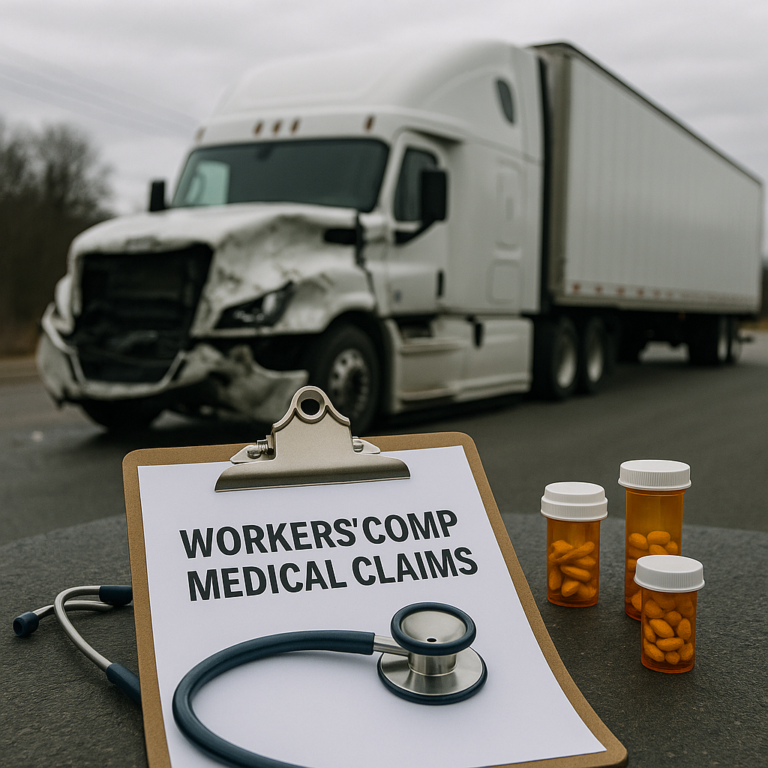
Understanding Partial Wage Loss After Truck Injuries
Truck accidents can result in a wide range of injuries that may impact a person’s ability to work in the short or long term. One major concern for those affected is the concept of partial wage loss—a financial gap created when an injured person can work, but not at their previous capacity, leading to a decrease in income. Understanding partial wage loss after truck injuries is vital for individuals, families, and employers dealing with the aftermath of such incidents.
Overview of the Income Issue
When a truck accident leads to injuries, the financial effects often extend well beyond immediate medical expenses. Many individuals find themselves unable to return to work quickly, or, if they can return, unable to perform at their previous level. This situation can create substantial income disruption.
Partial wage loss specifically refers to the reduction in earnings that occurs when an injured person is medically cleared to work but only in a limited fashion. For example, an individual might be permitted to work fewer hours, take on lighter duties, or switch to a less demanding (and potentially lower-paying) job while recovering. This change results in a loss of income compared to the worker’s pre-injury wages.
This loss may be temporary, lasting only as long as it takes to recover, or it may turn out to be long-term if the injuries cause permanent work restrictions. These disruptions can have ripple effects, altering career paths, family finances, and overall quality of life.
Why Income Loss Varies
No two truck injury cases are identical; wage loss can be highly variable for several reasons. Factors influencing partial wage loss after a truck accident include:
– Severity and Type of Injury: More serious or permanent injuries are likely to cause greater and longer-lasting disruptions.
– Job Requirements: Physically demanding jobs may require longer recovery times or make it impossible to perform some tasks even after partial recovery.
– Availability of Modified Work: Some employers can provide modified duties or part-time hours, helping employees earn partial wages.
– Pre-Injury Earnings: Those with higher earnings prior to the injury may see a more significant wage gap if they must work reduced hours or take a lower-paying job.
– Local Labor Market: Opportunities for light-duty work or suitable alternative employment can vary significantly by region and industry.
All these factors combine to make partial wage loss a complex topic that requires careful, individualized attention.
Common Wage Loss Categories
Truck injury wage loss typically falls into several common categories, including:
– Temporary Total Disability (TTD): The injured worker cannot perform any job for a limited period, leading to a total loss of wages during recovery.
– Temporary Partial Disability (TPD): The worker can perform some, but not all, job tasks, leading to reduced hours or duties and thus a partial wage loss.
– Permanent Partial Disability (PPD): After reaching maximum medical improvement, an individual is left with a lasting impairment that limits job performance and earning power.
– Lost Overtime or Bonus Opportunities: Some jobs reward productivity with overtime or bonuses, which may no longer be achievable post-injury.
– Missed Promotions or Advancement: Injuries may cause workers to miss out on promotions or advancement, resulting in long-term earnings losses.
For many individuals recovering from truck-related injuries, temporary partial disability is the most relevant category, as it specifically relates to returning to work in a diminished capacity.
Documentation Commonly Associated with Wage Loss
Proper documentation is crucial when evaluating partial wage loss after truck injuries. The following types of documentation are typically associated with calculating or substantiating wage loss:
– Medical Records: Detailed notes from healthcare providers outlining work restrictions and recovery timelines.
– Physician’s Work Release Forms: Specific documentation stating what tasks the employee can or cannot perform and the recommended hours.
– Pre- and Post-Injury Pay Stubs: Comparison of earnings before and after the injury helps establish the amount of wage loss.
– Employer Statements: Written confirmation of job duties, changes in hours, and any accommodations made for the worker’s condition.
– Tax Returns or W-2s: These documents may be required to demonstrate previous earnings, especially if bonuses or variable income are involved.
– Vocational Assessments: In some complex cases, professional evaluations can help determine the worker’s employability and potential earnings post-injury.
Employers and employees both benefit from maintaining detailed records to ensure a clear understanding of the wage loss that has occurred due to the truck injury.
Long-Term Income Disruption Considerations
In some cases, the impact of a truck injury extends beyond the immediate recovery period. When injuries lead to ongoing restrictions or permanent changes in earning capacity, individuals may experience continued partial wage loss or may need to change careers altogether.
Several long-term considerations can affect income disruption:
– Permanent Work Restrictions: If an injury results in the permanent inability to perform prior job tasks, the worker may need to retrain for a different role, often at a lower wage.
– Ongoing Medical Interventions: Recurring medical appointments or treatments can interrupt work schedules and limit advancement potential.
– Job Market Limitations: Depending on the local economy and available positions, returning to an equivalent income level may be challenging.
– Impact on Retirement and Benefits: Reduced earnings can affect retirement contributions and eligibility for certain employer benefits.
Planning for long-term income disruption typically involves considering both immediate changes and potential future developments resulting from the injury.
—
In Summary: Partial wage loss after a truck injury is an important and often challenging issue for individuals and employers alike. The level of lost income depends on the severity of the injury, job requirements, and available modified work. Thorough documentation and awareness of both short-term and long-term implications can help all parties understand and address the financial realities that follow truck-related injuries. By considering these complexities, everyone involved can better navigate the road to recovery and financial stability.