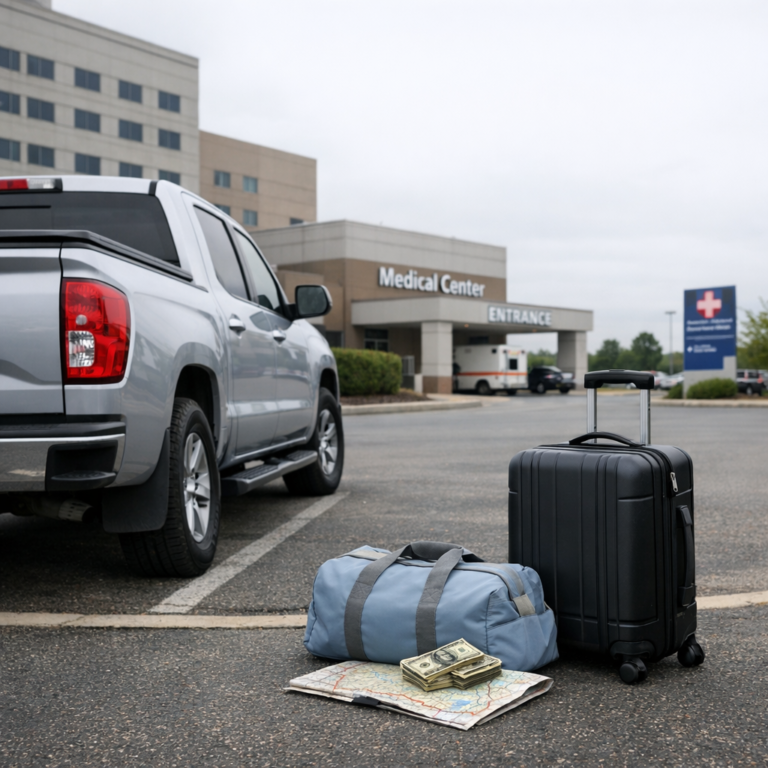
Vacation Time Usage Due to Truck Accident Recovery
Recovering from a truck accident can have a significant impact on many aspects of life, including employment and finances. One commonly overlooked issue is the use of vacation time for recovery. Many workers may need to use their accrued vacation days, personal time, or paid time off to cover periods when they are unable to perform their job duties due to injuries sustained in a truck accident. This circumstance can contribute to wage loss and broader income disruption, affecting both short-term and long-term financial stability.
Overview of the Income Issue
When someone is injured in a truck accident, the aftermath may involve medical treatments, rehabilitation, and rest, all of which require time away from work. If an employee lacks sufficient disability coverage or sick leave, they might resort to using their vacation time to continue receiving income during this period.
At first glance, using vacation time during recovery may seem to help maintain financial regularity. However, this solution leads to a less visible form of wage loss: lost opportunity to use that paid time for actual vacations or future emergencies. Once vacation hours are consumed during injury recovery, they are no longer available for their intended purpose, and future needs may force an employee into unpaid leave.
Vacation time used as a substitute for medical leave represents a non-traditional form of wage loss. The hours are paid, but they are effectively consumed for health recovery, reducing future income security and personal freedom.
Why Income Loss Varies
Income disruption differs widely depending on an individual’s employment status, benefits, and workplace policies. Several factors influence the extent of economic impact for employees using vacation time after a truck accident:
– Type of Employment: Some jobs provide more generous benefits than others. Union positions or salaried roles may offer extended paid time off or medical leave, while hourly workers may have limited resources.
– Availability of Paid Leave: Employees with substantial vacation, sick time, or short-term disability benefits may offset income interruption better than those with minimal leave options.
– Workplace Policies: Policies regarding the use and accrual of vacation and paid time off differ between employers. Some allow negative leave balances (borrowing future time), while others do not.
– Recovery Time Required: The severity of injuries impacts how long an employee is absent from work, directly influencing how much vacation time is used.
– Nature of the Job: Certain positions might offer flexible or remote work options. Others may require physical presence and absence results in missed workdays.
The combination of these factors results in income loss that is unique to each individual. What is consistent, however, is that using vacation time due to a truck injury often diminishes future financial flexibility.
Common Wage Loss Categories
Wage loss and income interruption after a truck accident can generally be categorized into several types:
– Direct Lost Wages: Time away from work that is unpaid due to incapacity.
– Vacation Time Used Truck Recovery: Paid hours drawn from vacation leave for recovery—not available for actual time off later.
– Sick or Personal Leave Used: Paid leave for health reasons, subject to limits set by the employer.
– Reduced Hours or Modified Duty: Returning to work with restricted capabilities, often at lower pay.
– Future Lost Wages: Reduced earnings capacity if the injury leads to long-term or permanent work restrictions.
– Unpaid Leave: Time off without any compensation when all paid time is depleted.
Documentation Commonly Associated With Wage Loss
Proper documentation can make it easier to demonstrate wage loss after a truck accident. For cases involving vacation time used for recovery, employees should keep the following records:
– Payroll Records: Payslips and employment records showing vacation hours used during the recovery period.
– Time-off Requests: Documentation of when and why vacation or PTO was requested and approved.
– Medical Documentation: Doctor’s notes or medical certificates that coincide with the time off, supporting the necessity for leave.
– Employer Correspondence: Emails or letters regarding leave approval, usage policies, and any denial or adjustments.
– Benefit Statements: Overviews of time-off accrual and balances, reflecting the depletion due to injury.
– Job Descriptions: Information on duties and required presence that may validate time taken for recovery.
Keeping comprehensive documentation ensures clarity when explaining or substantiating wage losses related to vacation time used due to a truck accident.
Long-Term Income Disruption Considerations
In some cases, the impact of using vacation time for injury recovery can extend into the future. If an employee faces subsequent personal emergencies, illness, or family commitments, the absence of sufficient vacation reserves can result in future unpaid leave or lost wages. The cycle may repeat, compounding the financial stress caused by the original injury.
Additionally, some workers find that extended time off—even when covered by vacation leave—may affect their earning capacity if workplace changes occur during their absence. For example, a prolonged absence could influence promotion opportunities or eligibility for bonuses.
Furthermore, if the truck accident leads to chronic health problems, the employee may repeatedly require time off, quickly exhausting paid leave and increasing reliance on unpaid time.
Conclusion
The usage of vacation time for recovery after a truck accident represents a meaningful, yet sometimes hidden, source of income disruption. While paid time off can provide immediate financial relief, it also reduces future flexibility and may lead to greater wage loss down the line if further absences are necessary. The extent of this impact depends on job type, employer policies, injury severity, and individual employment benefits.
Staying vigilant with documentation, understanding workplace leave policies, and careful planning are all essential to managing the financial challenges associated with wage loss after a truck injury—especially when vacation time must be used to bridge the gap during recovery.