Virginia Truck Accident Laws and Claims Process
Introduction to Truck Accident Laws in Virginia
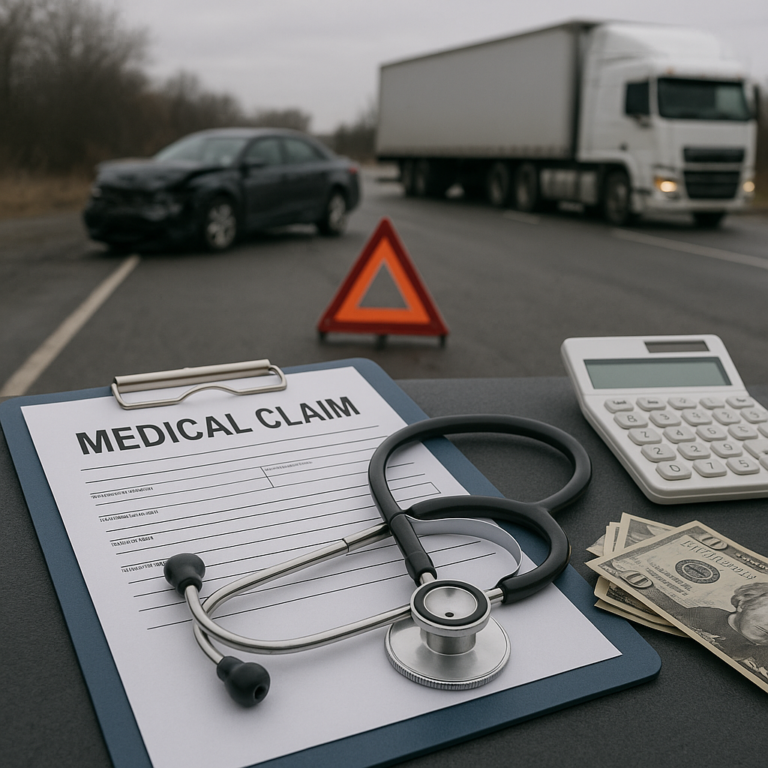
Truck accidents in Virginia are governed by a unique set of state laws, regulations, and procedures. Understanding these laws is crucial for anyone involved in a truck accident, as they can significantly impact liability, the claims process, and potential compensation.
Key Laws or Legal Principles That Apply in Virginia
Virginia follows several important legal principles in truck accident cases. The state’s approach to negligence, liability, and insurance requirements may be different from those in other regions.
How Fault, Liability, or Claims Are Handled in Virginia
A major legal principle in Virginia truck accident cases is contributory negligence. Under this rule, if an injured party is found to be even slightly at fault for an accident, they may be barred from recovering any compensation. Determining fault typically involves reviewing police reports, traffic laws, and available evidence.
Claims for bodily injury or property damage are often pursued against the at-fault party’s insurance. Virginia requires all registered vehicles, including trucks, to have a minimum amount of liability coverage.
Important Deadlines or Legal Requirements to Be Aware Of
In Virginia, the statute of limitations for most personal injury claims, including truck accidents, is two years from the date of the accident. Claims for property damage generally have a longer deadline of five years. Failing to file a claim within these timeframes may result in loss of the right to seek compensation. Additionally, commercial trucking companies are subject to both state and federal regulations, which might affect how claims are managed.
How Virginia’s Laws May Differ from Others
Virginia is one of the few states that strictly applies contributory negligence, making it distinct from states with comparative negligence systems, where partial fault may still allow some recovery. Insurance minimums and claims requirements can also vary, impacting the claims process and available compensation.
How Local Regulations Can Influence Accident Outcomes
Local regulations in Virginia, such as commercial truck weight limits, route restrictions, and driver rest requirements, can influence the outcome of accident cases. Violations of these rules may be used as evidence of negligence or liability.
General Awareness of Navigating Truck Accident Situations Within Virginia
Due to the strict application of contributory negligence and the specific state and local trucking regulations, those involved in truck accidents in Virginia should be prepared to gather and document evidence promptly. Awareness of important deadlines and insurance requirements can help in effectively navigating the claims process.
Closing Informational Summary
Virginia truck accident laws are shaped by unique legal principles, strict deadlines, and specific state and local regulations. Understanding these elements is essential for anyone involved in a truck accident in Virginia. Since laws and processes can differ significantly from other states, being informed about Virginia’s requirements can help individuals better navigate these situations.