Why Do Expenses Continue After Treatment Ends?
Why This Question Is Common
When someone is injured in a truck accident, the financial impact can be substantial and long-lasting. Many individuals assume that once their medical treatment concludes, the stream of expenses should also cease. However, patients and their families often find themselves dealing with numerous ongoing costs even after the official end of medical treatment. This leads to the very common question: “Why do expenses continue after treatment ends?” Understanding the reasons behind ongoing expenses, especially in the context of truck injury cases, is essential for anyone navigating recovery and its aftermath.
Clear Explanation
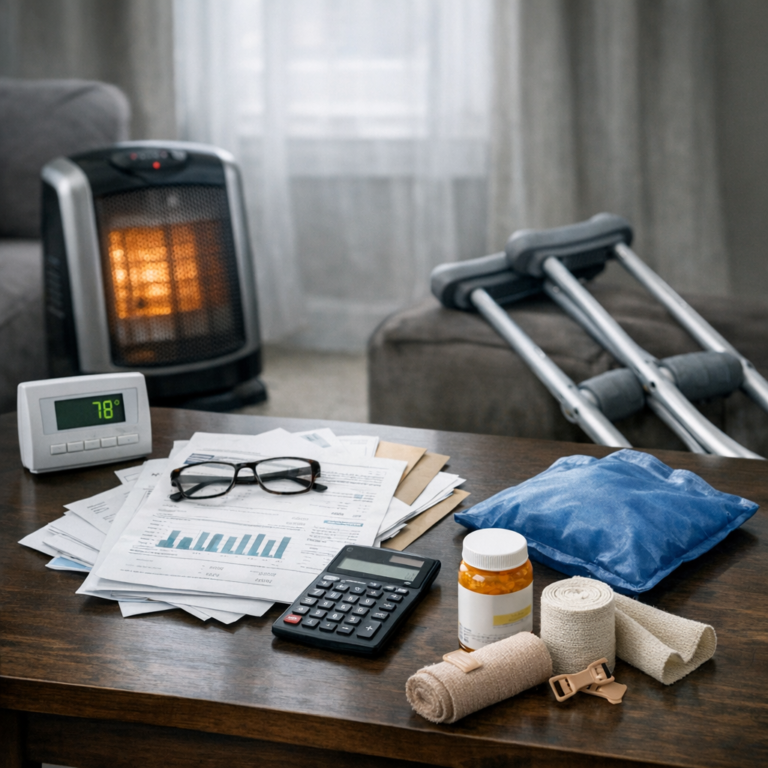
While the end of active treatment might suggest the end of expenses, real-life situations are rarely so straightforward. After someone is injured in a truck-related incident, they often face a series of continuing financial obligations that persist well after their doctor declares them ready to resume daily life. These ongoing expenses can include a range of direct and indirect costs associated with recovery and adjustment to new circumstances.
Injury-related expenses do not always disappear with the completion of medical treatment. Some persistent costs may include:
– Rehabilitation and Physical Therapy: Even after the main treatment ends, ongoing physical therapy sessions or maintenance visits may be necessary to restore or retain function.
– Medication and Pain Management: Chronic pain or ongoing conditions might require prescriptions or medical aids after discharge from traditional care.
– Follow-Up Medical Appointments: Doctors may recommend periodic check-ups to monitor progress, manage potential complications, or address new symptoms.
– Transportation Needs: Some injuries impact driving ability, necessitating ongoing use of adapted vehicles, ride services, or public transportation.
– Home and Vehicle Modifications: Accessibility renovations, such as installing wheelchair ramps or modifying bathrooms, can have lingering costs and maintenance.
– Personal Care Assistance: Depending on the level of injury, ongoing personal assistance might be needed for daily tasks, whether from family or professional caregivers.
– Lost Earning Capacity: Difficulty returning to previous work, reduced hours, or career changes can cause long-term financial adjustments.
– Mental Health Support: Psychological trauma, stress, or anxiety resulting from the incident may lead to periodic or ongoing counseling or therapy.
These ongoing expenses are not unique to truck injury cases but are often amplified by the intensity and scale of such accidents. Expenses can extend far into the future, reflecting the reality that “treatment” does not always mean complete recovery.
Helpful Financial Context (Avoid Advice)
Understanding ongoing expenses in truck injury situations requires a broader perspective on the costs associated with personal injury. Truck accidents tend to cause more severe injuries compared to other types of collisions due to the size and force involved. This often results in prolonged recovery times, more extensive rehabilitation, and higher long-term costs.
Medical bills represent only part of the financial picture. For example, a person may spend months in recovery and then encounter ongoing therapy bills, necessary adaptations in their home environment, or recurring travel expenses for follow-up appointments. Over time, these costs can rival or exceed the original medical bills.
Insurance policies, settlements, and compensation processes often factor in these future expenses, but the timeline for reimbursement or support may not align seamlessly with when the expenses are incurred. As a result, individuals and families may notice a lag between ending treatment and the reduction—or end—of ongoing financial obligations.
In addition, not all persistent expenses are strictly medical. Adjusting to a new work situation, retraining for a different career, or purchasing assistive technology can all create new and unexpected financial demands after initial treatment concludes.
Common Misunderstandings
Several misconceptions surround ongoing expenses after treatment from a truck injury:
– “Discharge Means Done”: Many believe that being discharged from medical care signals the end of injury-related costs. In reality, discharge often means that the patient no longer requires acute hospital care, but ongoing management or support may still be necessary.
– “Settlements Cover Everything Immediately”: It’s often assumed that any financial settlement or insurance payout will instantly address all costs. In fact, settlements are sometimes structured or only cover anticipated expenses—unforeseen costs can arise later.
– “Recovery Is Linear”: People frequently think recovery follows a straightforward path. Post-accident realities often include setbacks, flare-ups, or secondary injuries that require renewed treatment or support.
– “Once Ambulatory, Expenses End”: Regaining basic mobility doesn’t always equate to full functionality—or the end of specialized needs or adaptive equipment.
– “Every Expense Is Clearly Medical”: Not all post-treatment expenses fit neatly into medical categories. Things like job retraining, home care, or lifestyle adjustments are real but sometimes overlooked.
Related Follow-Up Questions
– What types of non-medical expenses might arise after a truck injury?
– How do ongoing expenses differ between minor and severe injuries?
– What steps can families take to track and anticipate recurring costs?
– Are there resources or organizations that help address long-term injury expenses?
—
Summary:
Expenses after treatment ends are common, especially in the aftermath of a truck injury. These costs go beyond medical bills and can include therapy, adaptive equipment, transportation, lost earning capacity, and more. While treatment may end, ongoing expenses often do not—a reality shaped by the complex, long-term effects major injuries can have on daily life and financial stability.